
The no-code revolution is rewriting the playbook for digital innovation. Businesses everywhere are racing to launch and scale apps faster than ever, but are you prepared to future-proof your Bubble app for the explosive growth coming in 2026?
This guide is your essential roadmap for scalable bubble app development, giving you the tools to handle more users, richer features, and evolving business needs. You will discover strategies to plan, design, and optimize your app so it thrives under real-world pressure.
Curious about the latest market trends? Wondering how to overcome growth bottlenecks or avoid costly mistakes? We break down each step, building your interest, showing you practical solutions, and guiding you toward scalable success. Let’s future-proof your Bubble app together.
Understanding Scalability in Bubble App Development
Scalable bubble app development is at the heart of building digital products that can grow with your ambitions. As more businesses embrace no-code platforms, understanding scalability becomes non-negotiable. Successful founders know that scaling is not just about adding users, it is about future-proofing your app’s architecture and processes from day one.

Defining Scalability: What It Means for Bubble Apps
Scalability in software means your product can handle rising user numbers, more data, and new features without breaking a sweat. In the no-code world, scalable bubble app development means building on Bubble so your app remains fast, reliable, and manageable as demand explodes.
Why is this crucial? As your user base grows, performance bottlenecks or messy workflows can quickly slow you down. Many no-code founders run into trouble when their Bubble app, built for an MVP, cannot keep up with success. For example, a scalable Bubble marketplace smoothly handles thousands of simultaneous users, while a non-scalable version struggles with slow searches and constant downtime.
Key Growth Trends: Bubble in 2026
The coming years are set to be transformative for scalable bubble app development. Market analysts like Gartner and Forrester predict a surge in no-code adoption, with Bubble capturing a growing share of startups and enterprises.
Major brands and nimble startups alike are scaling up on Bubble, attracted by rapid development and flexibility. Anticipated platform updates will expand Bubble’s ecosystem, making it easier to integrate with advanced tools and plugins. The influence of AI and automation is also reshaping scalability, enabling smarter workflows and predictive scaling to meet user demand.
Core Scalability Challenges in Bubble
Despite its strengths, scalable bubble app development faces unique hurdles. Common bottlenecks include database slowdowns, inefficient workflows, and sluggish page loading. Bubble’s shared infrastructure can introduce limits, but careful planning and optimization can help you overcome these.
Competitor research highlights persistent pain points: apps that load too much data at once, lack privacy rules, or have poorly structured databases can grind to a halt under pressure. For a deeper dive into overcoming these challenges, explore Scaling with Bubble.io: Best Practices & Deep Dive, which covers proven solutions from the field. Real-world examples show that apps ignoring scale often face downtime, frustrated users, and missed growth targets.
Planning for Scale from Day One
The best way to master scalable bubble app development is to plan for growth from the very start. Set clear growth targets and technical KPIs to measure your app’s progress. Align your business goals with a technical architecture that can evolve as you do.
Neglecting this step is risky. For instance, a promising Bubble SaaS app failed to plan for scale, leading to expensive rebuilds when user numbers spiked. Early investment in scalability saves time, money, and headaches—ensuring your app is ready for whatever the future brings.
Step 1: Architecting Your Bubble App for Growth
Building a solid foundation is the first step in scalable bubble app development. How you architect your app today will determine whether it soars or stalls as user numbers and features grow. Let’s break down the essential elements for a future-ready Bubble app.
Database Design for Scalability
The backbone of scalable bubble app development is a well-structured database. Start with clear, logical data types and fields to enable efficient queries as your user base expands. Use option sets for static values to boost performance, while custom data types should be reserved for dynamic content.
Indexing is crucial for search speed. Bubble supports some automatic indexing, but you can optimize searches by minimizing constraints and avoiding unnecessary fields. For example, an e-commerce app with separate data types for products, users, and orders will scale better than one with all data in a single type. For more best practices, check out Bubble app building strategies.
Modular Workflows & Reusable Components
Scalable bubble app development thrives on modularity. Break workflows into smaller, reusable actions that can be maintained and updated without affecting the entire app. Use custom plugins and reusable elements for features you’ll need across different pages or products.
Organize workflows logically, naming each clearly. For instance, a SaaS app with modular onboarding, billing, and notification workflows will be easier to scale and debug. This approach not only saves time but also reduces errors as your app grows.
Performance-Driven UX/UI Structure
User experience is directly tied to speed, especially at scale. For scalable bubble app development, decide early between single-page and multi-page layouts. Single-page apps can offer faster navigation, but multi-page structures can help with load times as features multiply.
Implement lazy loading for images and data-heavy elements. Use conditional rendering to only display what users need. Ensure mobile responsiveness from the start. Google and SOASTA report that even a one-second delay in page load can drop conversions by 20 percent, so performance is non-negotiable.
Third-Party Integrations & APIs
Integrations are essential for scalable bubble app development, but not all APIs are created equal. Choose services like Stripe or SendGrid that are known to handle high volume, and always check their rate limits.
Implement error handling to manage API downtime or failures. Use API versioning so future changes don’t break your app. For example, integrating Stripe for payments with proper error management lets your app process thousands of transactions reliably.
Big House Technologies: Your Scalable Bubble Partner
Big House Technologies specializes in scalable bubble app development for startups and enterprises. Their expert team manages everything from initial scoping and design to testing and QA.
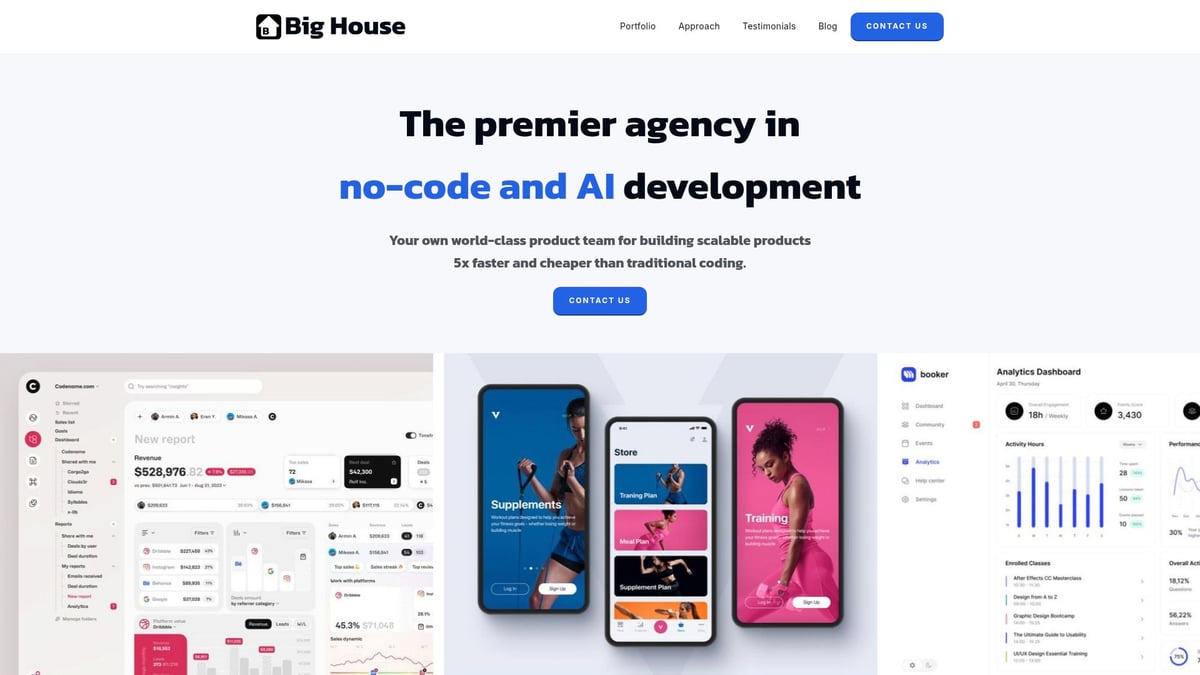
Clients report faster delivery, lower costs, and smooth scaling as their apps grow. Big House offers flexible pricing for MVPs, growth-stage products, and enterprise solutions. Ready to future-proof your project? Reach out to Big House for end-to-end scalable Bubble development.
Step 2: Optimizing Performance for High User Loads
Scaling your Bubble app to support thousands of users is both an art and a science. Performance bottlenecks can appear suddenly as your user base grows. By mastering these core strategies, you ensure your scalable bubble app development project delivers a fast, seamless experience—no matter how quickly you grow.

Workflow and Backend Optimization
Efficient workflows are at the heart of scalable bubble app development. As your app handles more users, front-end workflows can quickly become overwhelmed. Offloading intensive processes to backend workflows is crucial.
For example, a messaging app experiencing a surge in activity can queue message processing in backend workflows, preventing UI slowdowns. Use scheduled workflows for tasks like batch notifications, data exports, or report generation. This approach keeps your interface responsive.
- Organize workflows into logical modules.
- Limit unnecessary triggers and recursive actions.
- Test under simulated high loads to reveal bottlenecks.
By focusing on backend efficiency, you lay the groundwork for robust, scalable bubble app development.
Database Query Optimization
Database performance is a make-or-break factor in scalable bubble app development. Slow queries can ripple through your entire app, causing frustrating delays for users.
Start by reducing search constraints and avoiding loading unnecessary fields. Leverage Bubble's privacy rules to minimize the data returned in each query, which speeds up response times.
Consider this before-and-after scenario:
| Optimization Step | Query Time Before | Query Time After |
|---|---|---|
| Remove unused fields | 1.4s | 0.6s |
| Add privacy rules | 1.1s | 0.4s |
These small improvements compound at scale. Always profile your searches, and make query optimization a routine part of your scalable bubble app development workflow.
Asset Management and Media Optimization
Large images and videos can drag down your app’s performance, especially as user uploads increase. In scalable bubble app development, optimizing media is non-negotiable.
Compress images before upload, and use modern formats like WebP for faster loading. For videos, limit file sizes and use adaptive streaming where possible. Implement a Content Delivery Network (CDN) to serve static assets closer to users worldwide.
According to Cloudinary, optimized media can reduce load times by up to 50 percent. These savings translate directly into higher user retention and satisfaction.
- Use lazy loading for galleries.
- Set image dimension limits in upload workflows.
- Regularly audit storage and remove unused media.
Media optimization is essential for any high-performing scalable bubble app development project.
Monitoring, Testing, and Analytics
Continuous monitoring is your early warning system for performance issues in scalable bubble app development. Bubble’s built-in logs provide visibility into workflow execution times and error rates.
Integrate third-party analytics like Mixpanel or Google Analytics to track user behavior and identify slow-loading pages. Stress testing with simulated user loads can uncover bottlenecks before they impact real users.
- Set up alerts for workflow errors or slow database queries.
- Review performance dashboards weekly.
- Iterate based on findings to steadily improve speed.
A disciplined monitoring approach ensures your scalable bubble app development process is always one step ahead of potential problems.
Scaling Infrastructure and Capacity Planning
Bubble’s infrastructure offers flexible hosting tiers, but knowing when to upgrade is key to scalable bubble app development. Look for warning signs like increased page load times, workflow timeouts, or user complaints.
Consider multi-region deployment for global audiences, and build redundancy to protect against outages. Cost comparisons show Bubble can be more affordable than traditional dev at scale, especially when infrastructure is right-sized.
For an in-depth look at technical strategies and platform-specific advice, review Performance and Scaling in Bubble Apps. This resource provides actionable guidance for capacity planning and scaling decisions.
Proactive infrastructure management keeps your scalable bubble app development journey smooth as you grow.
Automation and AI for Performance Tuning
Modern scalable bubble app development leverages automation and AI to stay ahead of performance issues. AI-powered monitoring tools can detect patterns and predict slowdowns before users notice.
Automate routine optimization tasks like cache clearing, database cleanup, and workflow scheduling. For example, use AI to analyze logs and recommend changes that boost speed.
By integrating these smart tools, you reduce manual effort and ensure your scalable bubble app development process remains efficient—even as demands increase.
Step 3: Ensuring Security and Compliance at Scale
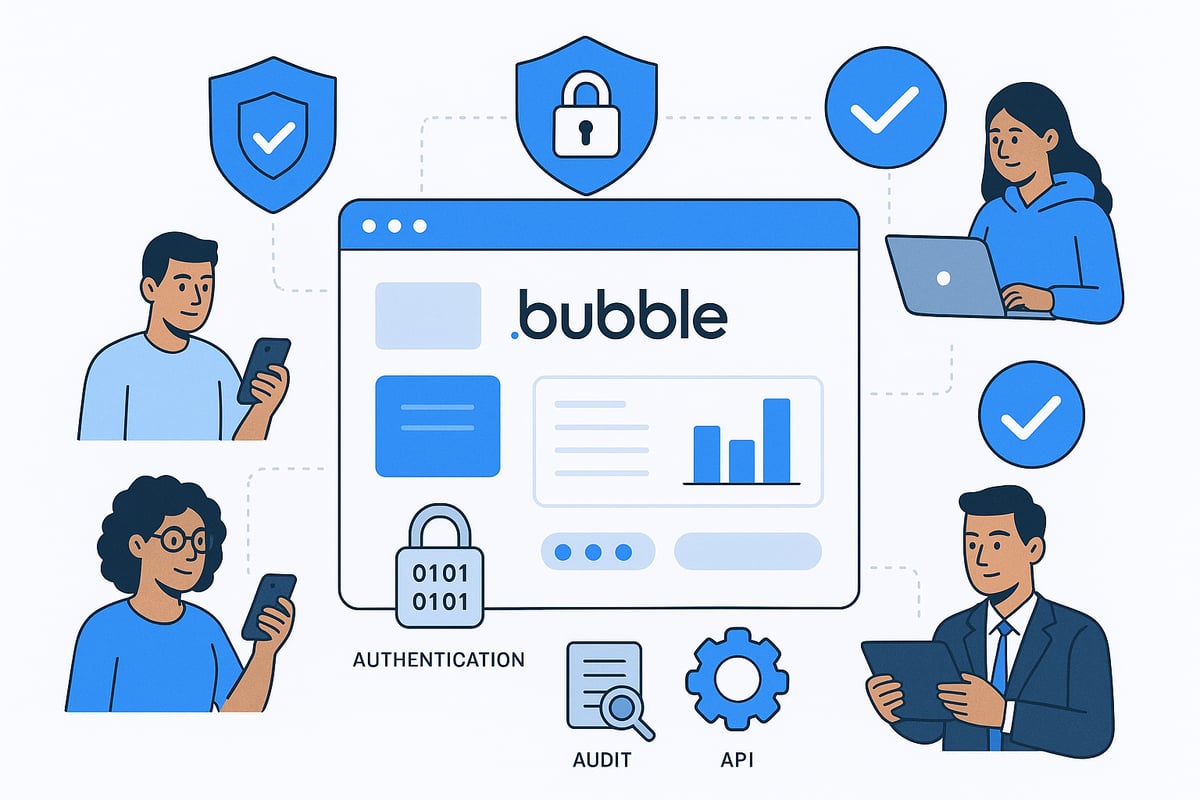
As your scalable bubble app development journey accelerates, security and compliance become non-negotiable pillars for sustainable growth. Safeguarding user data, managing access, and preparing for regulatory demands are essential steps to protect your product and reputation. Let’s break down the must-have strategies for robust security at scale.
Data Privacy and User Security
User trust is the foundation of scalable bubble app development. Start by implementing strict privacy rules in Bubble to control who can access or modify sensitive data. Always use field-level privacy and avoid exposing private fields in API responses.
Stay ahead of regulations like GDPR and CCPA. Document your data flows and ensure users can request data deletion or export. Real-world breaches often result from misconfigured privacy settings or overexposed data. Regular audits help catch these gaps early.
For founders seeking a secure and scalable approach, Custom Bubble app development services offer tailored solutions to meet compliance and growth needs. Investing in privacy-first architecture pays off as your user base grows.
Authentication and Access Control
A scalable bubble app development strategy must include robust authentication. Integrate multi-factor authentication (MFA) to add a crucial security layer, especially as your app scales to more users and sensitive data.
Role-based access control (RBAC) is essential. Assign permissions to user roles rather than individuals, making it easier to manage access as your team and customer base expand. For example, a SaaS platform might offer tiered access, where admins, editors, and viewers have distinct capabilities.
Regularly review access logs and permission settings. As you iterate on your app, periodically audit your roles to ensure only the right users have critical access.
Secure Integration of Third-Party Services
Integrating external APIs is vital for scalable bubble app development, but each integration can introduce vulnerabilities. Always vet third-party providers for strong security practices and compliance certifications.
Use secure methods to manage API keys, like storing them in environment variables, and prefer OAuth for user authentication where possible. Be aware of OWASP’s top vulnerabilities, such as injection attacks and exposure of sensitive data, which often target API endpoints.
Below is a quick table summarizing key risks:
| Risk | Mitigation |
|---|---|
| API key exposure | Use environment variables |
| Insecure endpoints | Enforce HTTPS, validate input |
| Excessive permissions | Limit API scopes |
Continually monitor your integrations, and update or revoke keys as needed.
Auditing, Logging, and Incident Response
Monitoring is a cornerstone of scalable bubble app development. Set up audit trails to track user actions, especially for sensitive operations like payments or account changes.
Automated alerts for suspicious activity—such as repeated failed logins or unauthorized data access—help you respond quickly to threats. Build an incident response plan that outlines steps for containment, investigation, and user notification.
Regularly review logs to identify trends or anomalies before they become breaches. A proactive approach to auditing and incident response keeps your app resilient as usage scales.
Step 4: Future-Proofing Your Bubble App for 2026 and Beyond
Scaling your app is only half the battle. To truly succeed with scalable bubble app development, you must look ahead and build a foundation that thrives through change. Future-proofing is about anticipating growth, adapting to technology shifts, and ensuring your Bubble app stands strong in 2026 and beyond.
Planning for Feature Growth and Modular Expansion
Every successful scalable bubble app development project starts with flexible architecture. Design your app so features can be added or removed easily without breaking existing workflows. Modular building blocks allow for quick pivots if user needs change or new markets emerge.
Consider versioning strategies, like keeping major updates in separate branches or using feature flags for controlled rollouts. For example, a marketplace app might add new payment modules or messaging features as it grows. If you want insight into evolving from MVP to a robust product, From MVP to Production: Scaling a No-Code App Beyond Its Limits offers real-world lessons on modular growth.
Preparing for Platform Updates & Ecosystem Changes
Bubble’s platform evolves rapidly, so your scalable bubble app development approach should anticipate updates. Subscribe to Bubble’s release notes, and test new plugins or integrations in a staging environment before deploying to production. This reduces risk and helps manage technical debt.
When the ecosystem shifts, such as new data connectors or UI frameworks, evaluate them for compatibility and long-term benefits. Maintain documentation of dependencies and plan regular code reviews during transitions. This proactive mindset keeps your app resilient against future disruptions.
Embracing AI & Automation in Bubble Development
AI and automation are reshaping scalable bubble app development. Integrate AI-driven features, like chatbots or recommendation engines, to boost user experience and efficiency. Automation tools streamline backend workflows, freeing your team to focus on innovation.
For Bubble-specific AI tools and performance boosters, check out AI tools for Bubble developers. Many leading apps now use AI to predict trends, personalize content, and automate routine tasks, helping them scale faster and smarter.
Building for Multi-Platform and Global Scale
A truly scalable bubble app development strategy embraces all devices and geographies. Design responsive layouts for mobile, tablet, and desktop. Use localization tools to support multiple languages and currencies, making your app accessible worldwide.
Data shows global user bases for no-code apps are growing fast. Prepare for internationalization early, including time zones, date formats, and cultural nuances. This foundation positions your app for seamless expansion into new markets.
Community, Support, and Continuous Learning
No scalable bubble app development journey is complete without strong community ties and ongoing education. Tap into Bubble’s forums, webinars, and documentation to stay updated on trends and best practices. Encourage your team to upskill regularly and share insights.
Joining the broader no-code community helps you solve challenges faster and discover new tools. Prioritizing learning and support ensures your app—and team—remain agile, adaptable, and ready for what 2026 brings.
Step 5: Scaling Your Team, Process, and Business with Bubble
Scaling your team and business is just as vital as scaling your app’s infrastructure. As your user base grows, scalable bubble app development requires a thoughtful approach to team structure, agile processes, documentation, feedback, and support. Let’s break down actionable strategies to help you build a team and workflow that enable your Bubble app to thrive at scale.
Team Structure for Scalable Bubble Projects
A high-performing team is the backbone of scalable bubble app development. Typical roles include a product manager, Bubble developer, designer, and QA specialist. As your project grows, consider whether you should hire in-house, partner with an agency, or use a hybrid team.
Here’s a quick comparison:
| Approach | Pros | Cons |
|---|---|---|
| In-house | Deep product knowledge | Higher overhead |
| Agency | Fast scaling, expertise | Less product context |
| Hybrid | Flexibility, best of both | Coordination needed |
Many startups start solo, but as demand increases, they transition to a larger, specialized team. For expert support and growth, consider working with Bubble agencies for startups to access vetted talent and scale more efficiently. This ensures your scalable bubble app development journey stays on track.
Agile Processes and Project Management
Agile methodology is a natural fit for scalable bubble app development. Implement sprints, daily standups, and backlog management to keep your team aligned and productive. Popular tools like Trello, Jira, and ClickUp streamline no-code project workflows.
Break projects into smaller tasks, prioritize features, and iterate quickly. Many successful teams also use tips from 10 Ways Bubble.io Developers Build Scalable Web Apps Faster to boost process efficiency and keep the development cycle lean. This approach helps your team adapt and scale your Bubble app as new challenges arise.
Documentation and Knowledge Management
Scalable bubble app development depends on solid documentation. Create detailed guides, workflow charts, and onboarding checklists to help new team members ramp up quickly. Maintain a living knowledge base that’s updated with every app iteration.
List key documentation areas:
- App architecture guides
- Workflow and API references
- Troubleshooting FAQs
A dedicated knowledge base ensures your team can scale, collaborate, and maintain quality as your app grows.
User Feedback Loops and Iterative Improvement
Continuous improvement is essential for scalable bubble app development. Set up channels for user feedback, such as in-app surveys, support chat, and user interviews. Use A/B testing to validate new features and optimize the user experience.
Rapid iteration based on real feedback helps you identify pain points, improve retention, and keep your app aligned with user needs. Teams that prioritize feedback loops see higher growth and more scalable outcomes.
Scaling Support and Operations
As your app scales, so must your support systems. Implement scalable customer support with live chat, helpdesk solutions, and AI-powered bots. Efficient onboarding processes and training resources help users succeed at scale.
For example, SaaS businesses growing from hundreds to thousands of users rely on robust support frameworks to manage tickets and user requests. Prioritizing scalable bubble app development ensures your operations can handle growth without sacrificing quality.
You’ve made it this far and now you know what it really takes to build a Bubble app that can handle serious growth in 2026 and beyond. If you’re excited to turn your ideas into a scalable product but want to hit the ground running, why wait? You don’t need to spend months in development limbo—there’s a smarter way. With the right no code strategy and expert support, you can launch your MVP in weeks and start scaling from day one. Ready to see how fast you can move?

About Big House
Big House is committed to 1) developing robust internal tools for enterprises, and 2) crafting minimum viable products (MVPs) that help startups and entrepreneurs bring their visions to life.
If you'd like to explore how we can build technology for you, get in touch. We'd be excited to discuss what you have in mind.
Other Articles
Unlock the secrets of developing an MVP in 2025 with step by step guidance trends and tools Learn how to build test and launch a standout product faster
Unlock rapid bubble startup mvp development in 2026 with our expert guide Learn step by step strategies costs real examples and tips to launch faster
Discover the essentials of software managers for beginners in 2025. Learn features, setup steps, best practices, and future trends to streamline your workflow.