
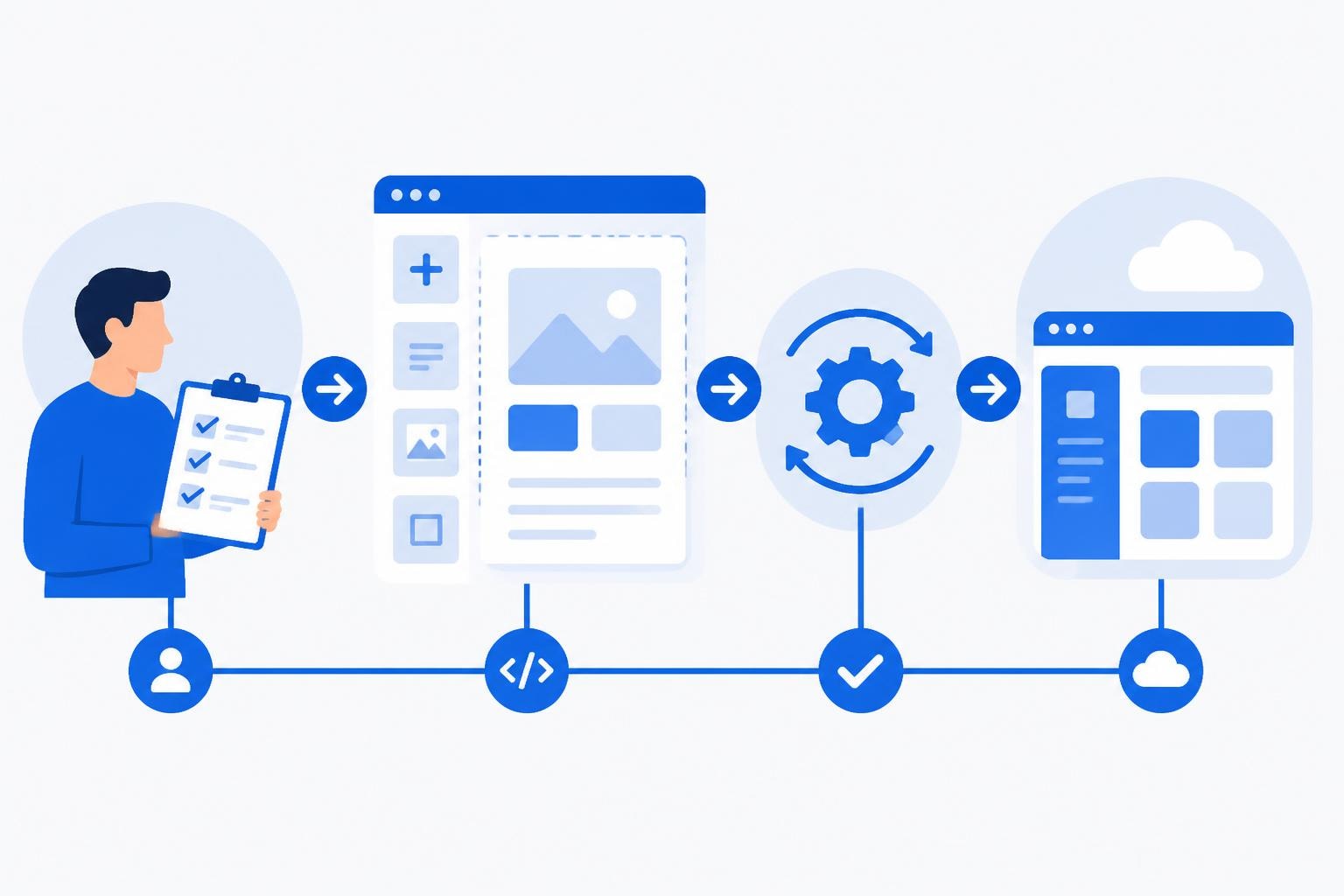
The software development landscape has undergone a dramatic transformation over the past decade, with low code platform development emerging as a game-changing approach for businesses seeking rapid application delivery without the traditional complexities of coding. Modern enterprises and startups alike are discovering that low code platforms enable them to build sophisticated software solutions at a fraction of the time and cost associated with traditional development methods. As we move through 2026, the adoption of these platforms continues to accelerate, driven by the increasing need for digital transformation, talent shortages in software development, and the demand for faster time-to-market. This comprehensive guide explores how low code platform development is reshaping the way organizations approach software creation, the key benefits it offers, and practical strategies for implementing these platforms successfully.
Understanding the Low Code Development Ecosystem
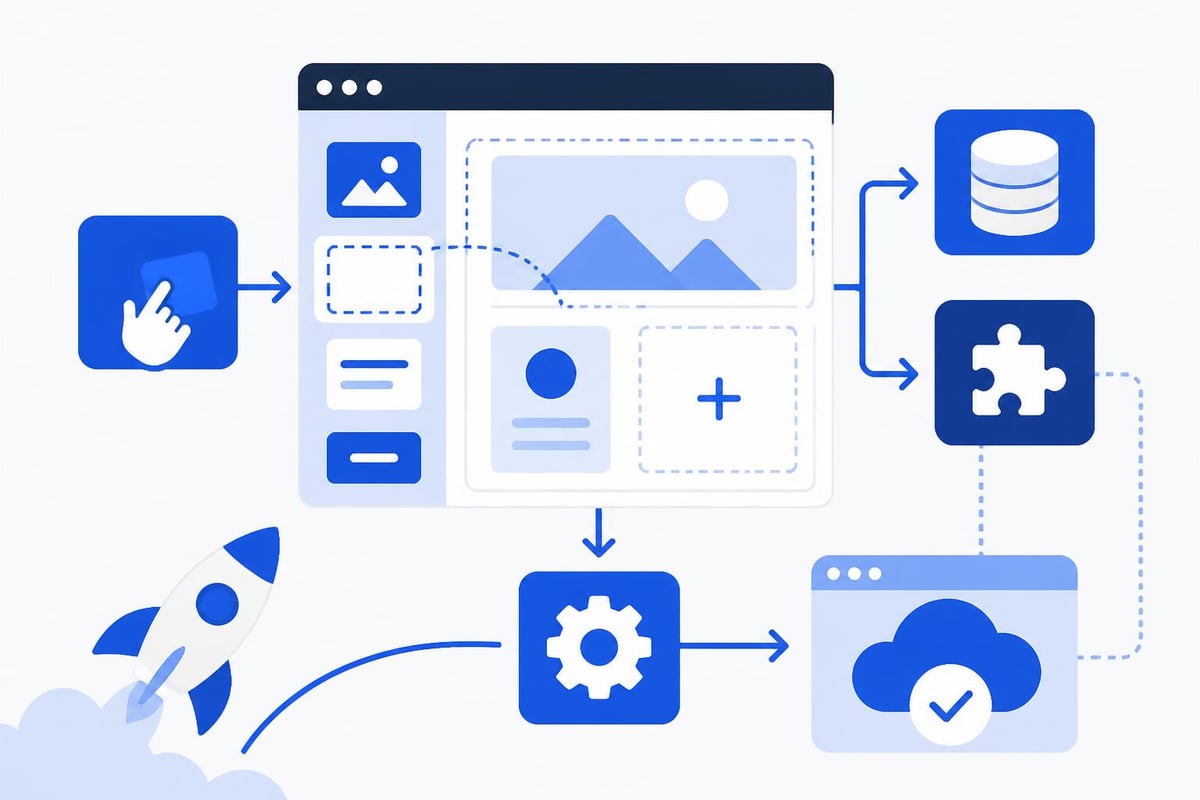
Low code platform development represents a fundamental shift in how applications are built and deployed. Unlike traditional programming that requires extensive coding knowledge, these platforms provide visual development environments where users create applications through drag-and-drop interfaces, pre-built components, and configuration rather than manual coding. According to TechTarget's comprehensive analysis of low-code and no-code development platforms, these tools bridge the gap between business requirements and technical implementation.
The architecture of low code platforms typically consists of several key components:
- Visual modeling tools that allow developers to design user interfaces and workflows graphically
- Pre-built connectors for integrating with databases, APIs, and third-party services
- Application templates that provide starting points for common business scenarios
- Automated deployment pipelines that streamline the path from development to production
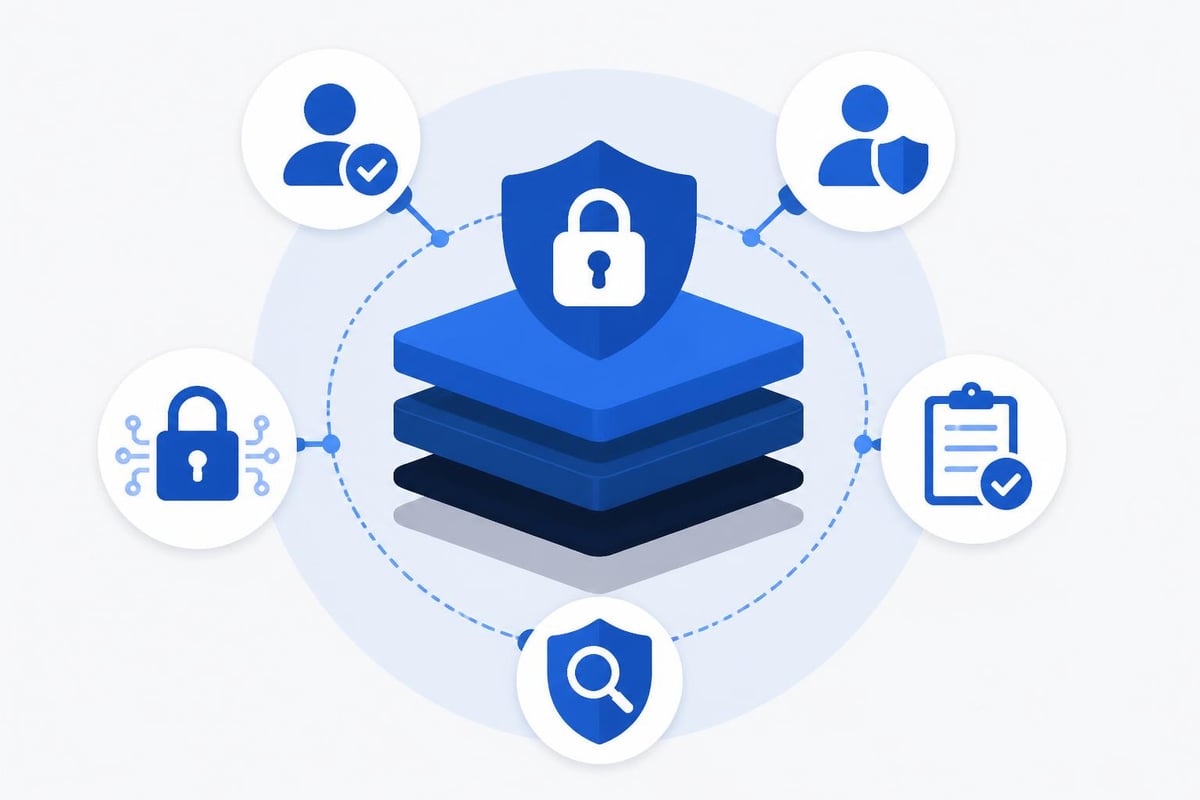
- Security and compliance frameworks built into the platform infrastructure
The Evolution from Traditional Development
The journey toward low code platform development began as organizations recognized that traditional software development methods couldn't keep pace with business demands. Custom coding projects often stretched across months or years, consumed significant budgets, and required specialized technical teams. When exploring no-code vs custom code cost comparison, the financial advantages become immediately apparent.
Key Advantages Driving Low Code Adoption
Organizations embracing low code platform development report transformative benefits across multiple dimensions of their software delivery capabilities. The speed advantage alone represents a compelling value proposition, with many applications that would traditionally require months of development completed in weeks or even days.
Accelerated Time-to-Market
Speed has become the defining competitive advantage in digital business. Low code platforms compress development timelines by eliminating repetitive coding tasks and providing reusable components. A typical enterprise application that might require 6-12 months using traditional methods can often be deployed in 4-8 weeks through low code platform development.
| Development Approach | Average Timeline | Team Size | Cost Estimate |
|---|---|---|---|
| Traditional Custom Code | 6-12 months | 5-8 developers | $250,000-$500,000 |
| Low Code Platform | 4-8 weeks | 2-3 developers | $50,000-$100,000 |
| No-Code Platform | 2-4 weeks | 1-2 developers | $20,000-$50,000 |
The distinction between approaches is crucial for planning. As explained in IBM's analysis of low-code vs no-code development, low code platforms strike a balance between development speed and customization capabilities.
Cost Efficiency and Resource Optimization
Budget considerations drive many low code platform development initiatives. Beyond the obvious savings in developer salaries and project duration, organizations discover hidden cost benefits in maintenance, updates, and scaling. The platforms handle infrastructure management, security patches, and performance optimization automatically, reducing the total cost of ownership significantly.
Startups particularly benefit from these economics. When evaluating low-cost MVP development tools, low code platforms consistently emerge as optimal choices for bringing product ideas to market while preserving limited funding for growth and marketing.
Bridging the Technical Skills Gap
The global shortage of skilled developers has reached critical levels in 2026, with demand far outpacing supply. Low code platform development addresses this challenge by enabling professionals with varying technical backgrounds to contribute to application creation. Business analysts, product managers, and citizen developers can build functional applications, while professional developers focus on complex integrations and custom logic.
For companies seeking to build internal tools efficiently, this democratization of development proves invaluable. Teams can create workflow automation, dashboards, and departmental applications without waiting for IT resources to become available.
Selecting the Right Low Code Platform
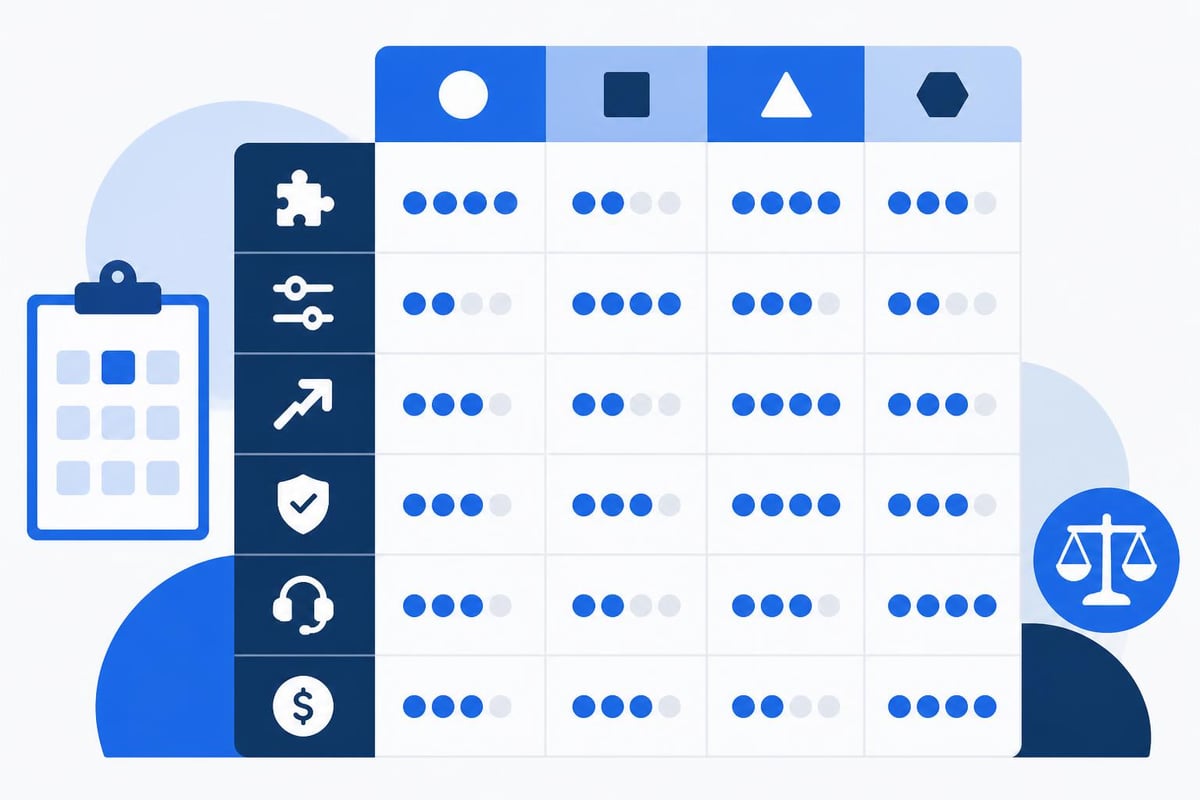
Choosing an appropriate platform requires careful evaluation of technical requirements, business objectives, and long-term scalability needs. InfoWorld's guide to choosing a low-code development platform provides essential selection criteria that every organization should consider.
Essential Evaluation Criteria
The platform selection process should examine multiple factors systematically:
- Integration capabilities - How easily does the platform connect with existing systems, databases, and APIs?
- Customization depth - Can developers extend functionality with custom code when needed?
- Scalability limits - What are the performance boundaries as user counts and data volumes grow?
- Security and compliance - Does the platform meet industry-specific regulatory requirements?
- Vendor ecosystem - Is there an active community, marketplace of extensions, and reliable support?
- Total cost structure - What are the licensing models, user limits, and additional fees?
Platform Categories and Use Cases
Different low code platforms excel in specific scenarios. Enterprise-focused platforms like those from Oracle, Microsoft, and Salesforce offer deep integration with corporate systems and robust governance features. As detailed in Oracle's low-code development guide, these platforms prioritize security, compliance, and scalability for large organizations.
Specialized platforms target particular application types. Some optimize for mobile app development, others for business process automation, and still others for data-intensive applications. When considering database options for no-code platforms, understanding how the low code platform handles data architecture becomes critical.
Best Practices for Implementation Success
Launching low code platform development initiatives requires strategic planning and organizational alignment. Success depends not just on the technology itself, but on how teams adopt and utilize these new tools.
Establishing Governance Frameworks
Without proper governance, low code platform development can lead to shadow IT, security vulnerabilities, and application sprawl. Organizations should establish clear policies covering:
- Application approval processes that review business justification and technical architecture
- Security standards that define authentication, data protection, and access control requirements
- Development standards that ensure consistency, maintainability, and documentation
- Testing protocols that verify functionality, performance, and user experience before deployment
- Monitoring procedures that track application usage, performance metrics, and user feedback
According to TechTarget's recommendations for sustaining high quality in low-code development, establishing these frameworks early prevents quality issues that become expensive to remediate later.
Building Cross-Functional Teams
Successful low code platform development thrives on collaboration between business and IT stakeholders. The most effective teams combine:
- Business experts who understand processes, requirements, and user needs
- UX designers who craft intuitive interfaces and optimize user journeys
- Professional developers who handle complex integrations and custom functionality
- Quality assurance specialists who ensure reliability and performance
- Product owners who prioritize features and manage stakeholder expectations
This collaborative approach ensures applications solve real business problems while maintaining technical excellence. Many organizations find that partnering with specialized agencies accelerates results, particularly when exploring application development platforms for the first time.
Continuous Learning and Skill Development
Low code platform development evolves rapidly, with platforms releasing new features quarterly or monthly. Organizations should invest in ongoing training and certification programs to keep teams current. Creating internal centers of excellence helps establish best practices, share knowledge, and mentor new developers.
The learning curve varies by platform complexity, but most professionals can become productive within weeks rather than the months or years required for traditional programming languages. This accessibility makes low code an attractive option for enterprises looking to expand their development capacity without lengthy hiring cycles.
Security and Compliance Considerations
While low code platforms simplify application creation, they don't eliminate the need for robust security practices. Organizations must approach security thoughtfully, understanding both the protections provided by the platform and the responsibilities that remain with development teams.
Built-in Security Features
Modern low code platforms incorporate security at multiple levels:
| Security Layer | Protection Provided | Implementation Approach |
|---|---|---|
| Authentication | User identity verification | SSO, OAuth, SAML integration |
| Authorization | Access control and permissions | Role-based access control (RBAC) |
| Data Encryption | Protection of data at rest and in transit | TLS/SSL, database encryption |
| Audit Logging | Tracking of user actions and changes | Automated logging and monitoring |
| Vulnerability Scanning | Detection of security weaknesses | Regular automated scans |
Addressing Common Security Challenges
Research on common bugs in low-code development platforms reveals patterns that developers should actively avoid. These include improper input validation, insecure API configurations, and overly permissive access controls.
Development teams should implement security testing throughout the application lifecycle, not just before deployment. This includes penetration testing, code reviews, and compliance audits. For regulated industries like healthcare and finance, ensuring the platform meets specific compliance requirements (HIPAA, SOC 2, GDPR) becomes non-negotiable.
Scaling Applications Built on Low Code Platforms
One persistent question about low code platform development concerns scalability. Can applications built on these platforms handle enterprise-scale user loads, data volumes, and transaction rates? The answer depends on platform architecture and proper implementation practices.
Performance Optimization Strategies
Applications can scale effectively when developers follow performance best practices:
- Database optimization through proper indexing, query optimization, and caching strategies
- API efficiency by minimizing unnecessary calls and implementing pagination
- Asset optimization through image compression and lazy loading of resources
- Background processing for long-running tasks that don't require immediate completion
- Horizontal scaling by distributing load across multiple application instances
Many platforms provide built-in performance monitoring tools that identify bottlenecks and suggest optimizations. Regular performance testing under realistic load conditions helps ensure applications maintain responsiveness as usage grows.
Hybrid Approaches for Complex Requirements
Some scenarios require combining low code platform development with traditional coding. Most enterprise-grade platforms support this hybrid approach, allowing developers to create custom extensions, complex algorithms, or specialized integrations using conventional programming languages.
This flexibility proves valuable for organizations with unique requirements that pre-built components can't address. The low code platform handles standard functionality while custom code addresses specialized needs. Academic research on low-code programming models explores how this unified approach maximizes both productivity and capability.
The Role of AI in Low Code Development
Artificial intelligence is transforming low code platform development in 2026, adding capabilities that further accelerate application creation and enhance functionality. AI-powered features now assist with everything from generating user interfaces to optimizing database queries.
AI-Enhanced Development Features
Modern platforms incorporate AI in several ways:
- Code generation - Converting natural language descriptions into application logic
- UI design assistance - Suggesting layouts and component arrangements based on best practices
- Data model optimization - Recommending database structures based on application requirements
- Testing automation - Generating test cases and identifying potential bugs
- Performance tuning - Analyzing application behavior and suggesting optimizations
When exploring AI software development tools, the integration with low code platforms represents a powerful combination that compounds productivity gains.
Intelligent Application Features
Beyond development assistance, AI enables applications built on low code platforms to offer sophisticated user experiences. Chatbots, predictive analytics, natural language processing, and computer vision can be integrated through platform-provided AI services or external APIs. Businesses looking to create innovative solutions can explore options through platforms that specialize in AI-powered application development.
For companies seeking to leverage AI video content, tools like AdsRaw demonstrate how AI-generated media can enhance marketing efforts, creating realistic user-generated content style videos without traditional production overhead.
Industry-Specific Applications
Low code platform development has proven valuable across diverse industries, with each sector finding unique applications that drive business value. Understanding these use cases provides practical insights into how organizations can apply these technologies.
Enterprise Internal Tools
Large organizations use low code platforms extensively for internal applications. Common implementations include:
- Employee onboarding and HR management systems
- Project tracking and resource allocation tools
- Inventory management and supply chain dashboards
- Customer service and support ticketing systems
- Compliance tracking and reporting applications
Many enterprises are turning to no-code for internal tool development because these applications don't require the polish and scalability of customer-facing products, making them ideal low code candidates.
Startup MVP Development
Startups leverage low code platform development to validate business ideas rapidly without exhausting limited resources. Building a minimum viable product (MVP) through low code allows founders to test market assumptions, gather user feedback, and iterate quickly. Success stories from agencies building Bubble MVPs demonstrate how startups achieve product-market fit faster through rapid prototyping.
The ability to pivot quickly based on market feedback provides startups with a crucial advantage in competitive markets. When an MVP proves successful, organizations can either scale on the same platform or migrate to custom solutions with confidence that the business model works.
Customer-Facing Applications
While internal tools represent the majority of low code implementations, customer-facing applications are growing rapidly. E-commerce platforms, customer portals, mobile apps, and SaaS products built on low code platforms serve millions of users daily. The key to success lies in selecting platforms with the performance, security, and customization capabilities required for public applications.
Businesses seeking visibility for these applications often partner with specialists in digital marketing. Services from agencies like Shawn the SEO Geek help ensure low code applications reach their target audiences through optimized search engine presence and strategic content marketing.
Overcoming Common Implementation Challenges
Despite the advantages, organizations encounter obstacles when adopting low code platform development. Recognizing these challenges and preparing mitigation strategies increases implementation success rates.
Technical Limitations and Workarounds
Every platform has boundaries regarding what it can accomplish natively. Common limitations include:
- Complex calculations or algorithms that require traditional coding
- Specific third-party integrations not supported by platform connectors
- Performance requirements exceeding platform capabilities
- Unique user interface requirements not available through standard components
Successful implementations plan for these constraints by adopting hybrid approaches, selecting platforms with extensibility options, or accepting compromises that don't significantly impact business value.
Organizational Resistance and Change Management
Cultural resistance often poses a greater challenge than technical limitations. IT departments may view low code as a threat to their expertise, while business units might struggle with new development responsibilities. Addressing these concerns requires clear communication about roles, expectations, and the complementary nature of low code and traditional development.
Starting with small, low-risk projects builds confidence and demonstrates value before tackling critical business applications. Celebrating early wins and sharing success stories helps build organizational momentum and support for broader adoption.
Vendor Lock-in Concerns
Committing to a low code platform creates dependencies that organizations should evaluate carefully. While most platforms offer data export capabilities, moving complex applications between platforms requires significant effort. Strategies for managing vendor lock-in include:
- Documenting business logic separate from platform-specific implementations
- Maintaining data portability through standard export formats
- Designing modular architectures that isolate platform-specific components
- Negotiating contract terms that protect against unfavorable price increases
- Monitoring platform health including vendor stability, community activity, and feature roadmaps
For freelance developers seeking to build expertise that transfers across platforms, directories like FreelanceDEV connect skilled professionals with businesses needing development support across various technologies and platforms.
Measuring Success and ROI
Quantifying the business impact of low code platform development ensures continued organizational support and informs future investment decisions. Effective measurement combines quantitative metrics with qualitative feedback.
Key Performance Indicators
Organizations should track multiple metrics to assess low code initiatives:
| Metric Category | Specific Measurements | Target Improvements |
|---|---|---|
| Development Speed | Time from concept to deployment | 50-70% reduction |
| Cost Efficiency | Development cost per application | 40-60% savings |
| Resource Utilization | Applications per developer | 2-3x increase |
| Business Impact | Process automation savings | Varies by application |
| User Satisfaction | Application usability scores | 80%+ satisfaction |
Long-term Value Assessment
Beyond immediate project metrics, organizations should evaluate the strategic value of low code capabilities. This includes increased business agility, reduced dependency on external contractors, faster response to market opportunities, and enhanced competitive positioning.
The ability to experiment with new business models or customer experiences without massive capital commitments creates option value that traditional ROI calculations may miss. When paired with effective digital marketing strategies through platforms like RankPill for automated SEO content, low code applications can drive significant organic growth.
Future Trends Shaping Low Code Development
The low code platform development landscape continues evolving rapidly, with several trends poised to accelerate adoption and expand capabilities throughout 2026 and beyond.
Increased AI Integration
Artificial intelligence will become more deeply embedded in low code platforms, moving beyond development assistance to autonomous application generation. Natural language interfaces will allow business users to describe requirements conversationally, with AI generating complete applications automatically.
Industry-Specific Platforms
General-purpose low code platforms will be complemented by specialized solutions optimized for specific industries. Healthcare, financial services, manufacturing, and retail will see platforms that incorporate industry-specific compliance, workflows, and integrations out of the box.
Edge Computing and IoT
Low code platforms are expanding beyond traditional web and mobile applications to support Internet of Things deployments and edge computing scenarios. This enables rapid development of applications that process sensor data, control industrial equipment, or manage connected devices.
Enhanced Collaboration Features
The research perspective from the Technical University of Munich on low-code platform ecosystems suggests that collaborative development will intensify, with platforms enabling real-time co-creation, version control, and distributed team coordination similar to tools like Figma for design.
Low code platform development has matured into a proven approach for delivering software solutions faster, more affordably, and with greater business alignment than traditional methods. Organizations that embrace these platforms strategically position themselves to respond to market changes, optimize operations, and innovate continuously. Whether you're an enterprise seeking to modernize legacy systems, a startup racing to validate a business model, or a growing business building internal tools, Big House Technologies combines expertise in no-code and AI platforms with a comprehensive development approach to transform your ideas into fully functional products on time and within budget.

About Big House
Big House is committed to 1) developing robust internal tools for enterprises, and 2) crafting minimum viable products (MVPs) that help startups and entrepreneurs bring their visions to life.
If you'd like to explore how we can build technology for you, get in touch. We'd be excited to discuss what you have in mind.
Other Articles
Explore how Dream Wombo transforms ideas into stunning AI-generated art. Learn features, use cases, and integration tips for no-code platforms.
Stay ahead in sw dev with this essential 2025 guide covering trends, skills, AI integration, security, and practical steps for modern software development success.
Discover how internal developer platforms streamline software development in 2026. Learn implementation strategies, benefits, and best practices.