
In 2026, the digital world is moving faster than ever. Simply having a website is not enough, businesses must rely on website app development services to stand out. As technology evolves, these services are shaping how companies connect with customers and drive results.
This guide is your roadmap through the latest trends, step-by-step development processes, and the smartest technology choices for website app development services. You will discover how to control costs, choose the right partner, and ensure your next web app brings measurable success.
Are you ready to future-proof your business? Dive in to learn how modern website app development services can transform your digital presence and keep you ahead of the curve.
The Evolution of Website App Development: Trends for 2026
The landscape for website app development services is transforming rapidly as we head toward 2026. Businesses are embracing new technologies, frameworks, and approaches to keep up with user demands and market shifts. Understanding these key trends will help you make informed decisions and leverage the latest advancements in website app development services.

Rise of No-Code and Low-Code Platforms
No-code and low-code platforms are revolutionizing website app development services for startups and enterprises alike. By 2026, Gartner predicts that 70 percent of new applications will use these platforms, allowing teams to launch products faster and with fewer resources. The adoption of no-code and low-code is driven by the need for speed, flexibility, and cost savings.
Some benefits include:
- Shorter development cycles
- Lower operational costs
- Broader access to non-technical innovators
The market for low-code technologies is expected to hit $44.5 billion by 2026, as highlighted in this Low-Code Development Market Growth report. This surge is democratizing website app development services across industries.
AI Integration and Automation
AI is becoming a core part of website app development services. Features like chatbots, personalized recommendations, and predictive analytics are now standard. For instance, e-commerce apps with AI-powered recommendations have shown sales increases up to 30 percent.
Automation is also transforming testing, deployment, and customer support. Website app development services that utilize AI for automated workflows help businesses reduce manual errors and speed up releases. As AI evolves, expect even smarter apps that anticipate user needs and streamline operations.
Progressive Web Apps (PWAs) and Cross-Platform Demand
Progressive Web Apps (PWAs) are bridging the divide between web and native experiences. Website app development services are increasingly delivering PWAs that offer offline access, fast loading, and native-like performance. Cross-platform frameworks, such as Flutter and React Native, allow teams to build once and deploy everywhere.
Statistics show that PWAs can boost user engagement by up to 50 percent. This makes them an attractive solution for businesses seeking reach and flexibility. Choosing the right technology stack ensures website app development services meet user expectations on any device.
Enhanced Security and Privacy Standards
As regulations like GDPR and CCPA become stricter, security is a top priority in website app development services. Modern apps must integrate advanced protocols, including OAuth and two-factor authentication, to protect user data.
A recent spike in security breaches—up 40 percent in 2025—highlights the need for robust security measures. Website app development services now include regular audits, vulnerability assessments, and compliance checks as standard practice. This focus on privacy builds trust and safeguards business reputation.
Cloud-Native and Serverless Architectures
The shift to cloud-native and serverless architectures is accelerating. Website app development services are leveraging these models to unlock scalability, resilience, and efficiency. Serverless solutions reduce infrastructure management, letting developers focus on features and user experience.
By 2026, 60 percent of enterprises plan to operate cloud-native. This approach enables website app development services to deliver apps that scale with demand, minimize downtime, and lower costs. The evolution toward cloud-native is setting a new standard for future-ready apps.
Step-by-Step Guide to Website App Development in 2026
Building a successful digital product in 2026 requires a strategic approach to website app development services. Each step in the process is vital to ensure your app stands out, performs reliably, and delivers measurable value. Let’s break down the essential phases, best practices, and up-to-date tools you need for success.
Step 1: Project Discovery and Scoping
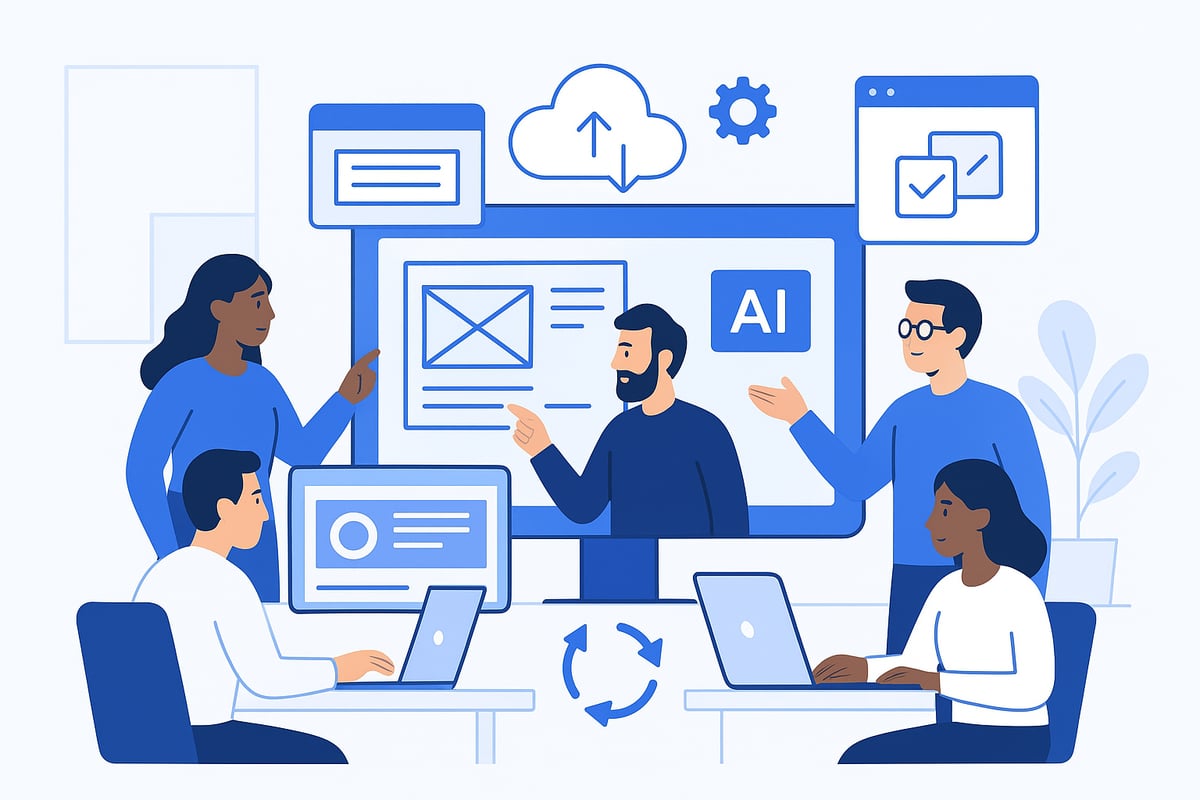
The journey with website app development services starts with a clear discovery phase. Here, you define business goals, target user personas, and specific success metrics. Early alignment among stakeholders is crucial to prevent miscommunication and costly pivots later.
Popular tools like Miro and Figma help visualize ideas and facilitate collaborative workshops. This stage sets the foundation for your app’s vision, ensuring everyone shares the same objectives and expectations.
Step 2: UI/UX Design for Modern Users
Great design is a cornerstone of effective website app development services. Focus on user-centric and accessible design trends, such as dark mode, intuitive voice interfaces, and engaging micro-interactions.
Remember, 88 percent of users will not return after a poor user experience. By prioritizing adaptive layouts and inclusive design, your app appeals to a wider audience and reduces bounce rates.
Step 3: Choosing the Right Technology Stack
Selecting the right tools is a game-changer in website app development services. Evaluate whether no-code, low-code, or traditional coding best fits your project’s needs. Popular frameworks include Bubble, React, Angular, and Vue.js.
Consider factors like scalability, integration capabilities, and the availability of skilled developers. For more insights on picking the best-fit provider or platform, the Website App Development Company Guide offers a comprehensive comparison of options.
Step 4: Agile Development and Iterative Testing
Agile methodology is transforming website app development services by enabling flexibility and rapid iteration. Work in sprints to adapt to feedback and changing requirements. Automated testing and continuous integration/continuous deployment (CI/CD) pipelines keep quality high and releases smooth.
Research shows agile projects are 28 percent more successful than traditional ones. Regular sprint reviews and quick bug fixes ensure your app evolves with user needs.
Step 5: AI & Automation Integration
Modern website app development services often include AI features for personalization, automation, and analytics. Integrate tools like OpenAI, Lovable, and TensorFlow to enhance functionality.
AI-powered chatbots, for example, can reduce support costs by 30 percent while improving user satisfaction. Automation also speeds up repetitive tasks, freeing your team to focus on innovation.
Step 6: Security, Compliance, and Data Protection
Security is non-negotiable in website app development services. Implement robust encryption, secure authentication methods, and conduct regular compliance checks for regulations like GDPR and CCPA.
Routine security audits and vulnerability assessments help identify risks early. Notably, 75 percent of web apps fail at least one security test, so proactive protection is essential.
Step 7: Deployment, Monitoring, and Continuous Improvement
The final phase of website app development services involves seamless deployment and ongoing optimization. Use cloud platforms like AWS, Azure, or GCP, and consider serverless options for scalability.
Set up real-time monitoring, analytics, and feedback loops to gather user insights. Continuous updates and improvements based on real data keep your app competitive and relevant.
Evaluating Website App Development Services: What to Look For
Choosing the right website app development services can make or break your digital strategy in 2026. With so many agencies and platforms available, it’s essential to know what sets the best apart. Here’s how to evaluate your options for successful, secure, and future-ready web app projects.

Technical Expertise and Platform Specialization
Start by assessing the technical expertise of the agency offering website app development services. Do they specialize in no-code, low-code, or traditional coding? Review their certifications and platform knowledge, especially for technologies like Bubble or React.
Agencies with a clear specialization can often deliver results faster and more reliably. For example, a team focused on Bubble can build MVPs 50% quicker than those using conventional coding. If you’re unsure whether you need a custom build or a ready-made solution, this Custom Development vs. Off-the-Shelf Solutions guide compares both approaches and helps you match agency skills to your needs.
Ask for proof of expertise, such as completed projects, technical blogs, or platform partnerships.
Portfolio, Case Studies, and Client Success
A strong track record is vital when evaluating website app development services. Dive into agency portfolios to see if they’ve handled projects similar to yours in scale or industry. Look for detailed case studies that outline challenges, solutions, and measurable outcomes.
Client testimonials and peer reviews are powerful. In fact, 92% of B2B buyers trust peer feedback before choosing a partner. Seek out stories that highlight ROI, user growth, or how the agency solved unique problems.
A transparent portfolio shows that the agency is proud of its work and is likely to deliver results for your project too.
Process Transparency and Collaboration
Effective website app development services rely on clear, transparent processes. The best agencies break projects into phases: discovery, design, development, QA, and launch. They’ll use collaborative tools like Slack, Jira, or Figma to keep everyone aligned.
Weekly check-ins and milestone reporting help you track progress and address issues early. Ask potential partners how they manage communication and approvals, and whether you’ll have access to real-time project updates.
Transparency ensures you stay informed and reduces the risk of surprises later in the project.
Security, Compliance, and Quality Assurance
Security and compliance are non-negotiable for website app development services. Agencies should prioritize encryption, secure authentication, and regular security audits. Ask about their approach to GDPR, CCPA, or industry-specific regulations.
Quality assurance is just as important. A reliable partner will use both manual and automated testing, including user acceptance testing. Agencies with ISO 27001 certification or similar credentials demonstrate a strong commitment to data protection and quality.
Regular vulnerability assessments and compliance checks help protect your business and customers.
Pricing Models and Cost Transparency
Understanding how website app development services price their projects is crucial. Common models include:
| Pricing Model | Description | Pros | Cons |
|---|---|---|---|
| Fixed-Price | Set cost for defined scope | Predictable, simple | Less flexible, scope limits |
| Time & Materials | Pay for actual hours/resources used | Flexible, scalable | Harder to predict total |
| Value-Based | Cost tied to results or business value | Aligns with outcomes | Complex to negotiate |
Be wary of hidden costs for post-launch support, integrations, or scaling. Transparent pricing builds trust and helps you budget confidently. Studies show that clear pricing increases client trust by 40%.
Ongoing Support and Maintenance
The best website app development services offer more than just a launch. Ongoing support includes SLAs, regular updates, and emergency response times. Proactive monitoring and iterative improvements prevent most downtime and keep your app secure.
Ask about maintenance schedules and how the agency handles bug fixes or feature requests. With 80% of app downtime preventable through regular maintenance, ongoing support is a must for long-term success.
Big House Technologies: No-Code & AI Website App Development
Big House Technologies stands out among website app development services for rapid, affordable delivery. Leveraging Bubble’s no-code platform and Lovable’s AI tools, they provide end-to-end solutions: from scoping and design to development, QA, and deployment.
Their approach delivers apps five times faster and at a fraction of the cost compared to traditional agencies. Big House Technologies serves startups and enterprises across SaaS, finance, and more, with flexible pricing and transparent project management. Client testimonials highlight significant ROI and operational improvements, making them a solid choice for future-focused businesses.
Key Technologies Powering Website App Development in 2026
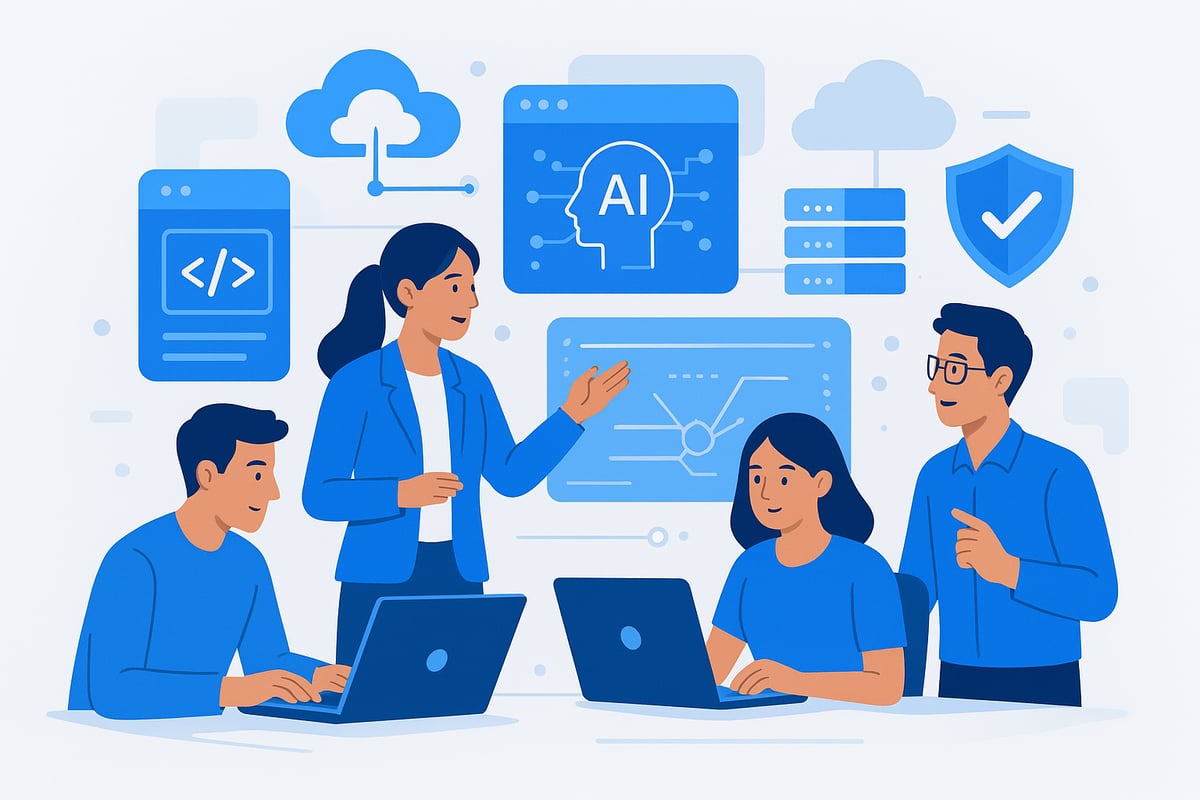
Staying competitive in 2026 means understanding the key technologies shaping website app development services. Businesses today have powerful tools at their fingertips, enabling faster, smarter, and more secure web solutions than ever before.
No-Code/Low-Code Platforms
No-code and low-code platforms are revolutionizing website app development services for startups and enterprises alike. Solutions like Bubble, Webflow, and OutSystems enable rapid prototyping and MVP launches without extensive coding.
These platforms empower non-technical users to build complex apps, reducing development time by 70 percent. Businesses can quickly test ideas, iterate, and scale. Use cases range from internal tools to customer-facing products, making no-code a go-to for agility.
| Platform | Best For | Key Benefit |
|---|---|---|
| Bubble | MVPs, SaaS | Fast customization |
| Webflow | Marketing sites | Visual design |
| OutSystems | Enterprise apps | Integration power |
Choosing the right platform streamlines website app development services and fosters innovation.
AI & Machine Learning Integrations
AI and machine learning are at the core of next-generation website app development services. From automated workflows to personalized user experiences, AI tools like OpenAI, TensorFlow, and Lovable are embedded across modern apps.
AI-powered apps see double the user engagement, thanks to features such as chatbots, predictive analytics, and tailored recommendations. In fact, 73 percent of apps will require AI integration by 2026, making it a critical investment for businesses.
Integrating these tools not only enhances efficiency but also positions website app development services as future-ready and highly scalable.
Progressive Web Apps and Cross-Platform Frameworks
Progressive Web Apps (PWAs) and cross-platform frameworks are bridging the gap between web and mobile, transforming website app development services. PWAs work offline, load instantly, and offer a native-like experience on any device.
Frameworks like Flutter and React Native allow developers to build from a single codebase, saving time and resources. Sixty-five percent of users prefer PWAs for their speed and reliability.
The demand for seamless cross-platform solutions is driving businesses to prioritize these technologies in their website app development services strategy.
Cloud Computing and Serverless Architectures
Cloud computing and serverless architectures are redefining scalability and cost-efficiency in website app development services. Platforms such as AWS Lambda, Azure Functions, and Google Cloud Run eliminate the need for complex infrastructure management.
Serverless solutions automatically scale to meet demand and cut infrastructure costs by 30 percent. This flexibility allows businesses to focus on innovation rather than maintenance.
Adopting cloud-native technologies ensures website app development services can handle growth, spikes in traffic, and evolving business needs.
Security and Compliance Toolkits
With rising data privacy concerns, robust security and compliance toolkits are essential for website app development services. Tools like OAuth, JWT, and Snyk enable encrypted authentication and automated vulnerability checks.
Automated compliance solutions help businesses meet GDPR, HIPAA, and CCPA standards. These tools catch 50 percent more vulnerabilities, reducing risk and building user trust.
Investing in security from day one ensures website app development services remain resilient and regulatory-ready.
Cost Factors and Budgeting for Website App Development in 2026
Understanding what shapes the cost of website app development services is crucial as you plan your 2026 project. Let’s break down each factor so you can budget with confidence and avoid surprises.
Key Drivers of Development Costs
Several factors drive the investment required for website app development services. The biggest contributors are app complexity, the number of features, and the need for integrations with other platforms.
If you want advanced AI capabilities, expect costs to rise. Integrating AI can add 20–30% to your project budget, especially for features like chatbots or predictive analytics. According to recent data, the average cost for web app projects ranges from $30,000 to $150,000 or more, depending on your needs. For a deeper dive into how AI can impact your budget, check out this AI Integration in Web Development guide.
A quick summary of key cost drivers:
- Feature set and design complexity
- Custom integrations (payments, APIs, analytics)
- AI and automation features
- Security and compliance requirements
In-House vs. Outsourced vs. No-Code Development
Choosing the right approach for your website app development services can dramatically affect your timeline and budget. Building in-house offers control but can be slow and expensive due to hiring and training. Outsourcing gives you access to global talent and can speed up delivery, but requires clear communication and trust.
No-code platforms are changing the game, letting teams create robust apps quickly and at lower cost. In fact, no-code can cut development costs by up to 60%. Curious how startups are leveraging no-code? This No-Code Development for Startups article explores the trend and its benefits.
Let’s compare:
| Approach | Speed | Cost | Control | Scalability |
|---|---|---|---|---|
| In-House | Moderate | High | High | High |
| Outsourced | Fast | Moderate | Medium | High |
| No-Code | Fastest | Lowest | Medium | Moderate |
Hidden Costs and Long-Term Considerations
Budgeting for website app development services is not just about the upfront investment. Post-launch expenses can make up 50% or more of your total project cost over time.
Common hidden costs include:
- Maintenance and regular updates
- Cloud hosting and storage fees
- Scaling infrastructure as your user base grows
- Security patches and compliance audits
Failing to plan for these can lead to budget overruns or performance issues down the road. Always factor in ongoing support and future enhancements in your budget.
How to Maximize ROI on Your Website App
To get the most from your website app development services, focus on scalable and flexible architectures from the start. Prioritize features that deliver immediate value, using user feedback and analytics to guide your roadmap.
Apps that follow a continuous improvement cycle see three times higher ROI compared to those with static releases. Invest in technologies that make future updates easier, and always keep an eye on performance metrics to spot new opportunities.
By planning for growth and building in regular updates, you ensure your app remains competitive and delivers long-term value.
Future-Proofing Your Website App: Scalability, Security, and Innovation
Staying relevant in a fast-changing digital world means thinking ahead. Future-proofing your website app development services is about building with growth, security, and innovation at the core. Let’s explore the four pillars for long-term success.
Designing for Scalability and Growth
Scalability is the backbone of effective website app development services. Without it, even the best app can buckle under user growth. Start by choosing modular architectures and API-first designs that allow easy integration and expansion.
For example, cloud-native platforms and microservices let your app handle spikes in traffic and new feature rollouts without breaking a sweat. A recent stat shows that 80% of apps struggle to scale because of poor initial design. Investing in scalable frameworks at the start saves time and money later.
If you are considering large-scale solutions, check out the Enterprise App Development Services Overview for insight into building robust, future-ready platforms.
Staying Ahead with Continuous Innovation
Continuous innovation sets industry leaders apart. Website app development services that prioritize regular updates, A/B testing, and feature rollouts stay ahead of user expectations.
Leading apps update every 2 to 4 weeks, using analytics and user feedback to guide improvements. Embracing AI for personalization and automation keeps your app fresh and relevant. Make it a habit to review industry trends and adopt new tools that fit your goals.
The goal is to make innovation part of your roadmap, not just a one-time effort. This approach ensures your app keeps delivering value as technology evolves.
Proactive Security and Regulatory Compliance
Security is non-negotiable for website app development services. Implementing best practices like encryption, secure authentication, and regular audits helps guard against breaches.
Stay on top of changing regulations such as GDPR or CCPA. In 2025, regulatory fines for data breaches rose by 45%, showing just how critical compliance has become. Use automated compliance checks and vulnerability scanning to maintain a strong security posture.
A secure app earns user trust and protects your business from costly penalties. Make security and compliance part of your process from day one.
Building a Feedback-Driven Development Cycle
A feedback-driven approach is the secret to long-term app success. Website app development services that use analytics, surveys, and beta testing can iterate quickly and effectively.
Apps with robust feedback loops achieve four times higher user retention. Engage your users early and often, gathering insights to inform every update. Encourage feedback through in-app prompts, emails, or community forums.
Continuous improvement based on real user data keeps your app aligned with user needs and ahead of competitors.
We’ve covered a lot about what it takes to succeed with website app development in 2026—from choosing the right no code and AI tools to future proofing your investment with scalability and security in mind. If you’re excited to turn your idea into a real product and want to save months of development time and budget, why not take the next step? You don’t have to wait to see results. Launch Your MVP in Weeks, Not Months and discover how quickly you can go from concept to launch with the right partner by your side.

About Big House
Big House is committed to 1) developing robust internal tools for enterprises, and 2) crafting minimum viable products (MVPs) that help startups and entrepreneurs bring their visions to life.
If you'd like to explore how we can build technology for you, get in touch. We'd be excited to discuss what you have in mind.
Other Articles
Discover the ultimate guide to developing application in 2025. Learn step-by-step strategies, best tools, and key tips to launch your first app successfully.
Discover the top 10 no code tools for 2026 to boost productivity and innovation Explore features pricing and real world use cases to transform your workflow
Explore Builder IO in 2025 with this comprehensive guide. Learn about AI-powered features, integrations, and expert tips to build and scale digital products faster.