
Are you on the hunt for the ideal lovable alternative to power up your app-building or AI-driven projects in 2026? The fast-evolving world of no-code and AI tools means you have more options than ever.
This guide uncovers six exceptional platforms, each offering unique features, flexible pricing, and real-world advantages for creators, developers, and businesses. You will discover how these alternatives address common pain points, stand out from Lovable, and help you build scalable, secure, and innovative solutions.
Get ready to explore the leading options, compare their strengths, and find the perfect fit for your next big idea.
Why Look Beyond Lovable?
Lovable stands out for its user-friendly interface, fast prototyping, and AI-powered app generation. It’s a favorite for those starting new projects quickly without code. However, many users hit frustrating barriers, like daily message or token limits, limited scalability, and challenges making apps production-ready. Advanced customization often requires developer skills, leading to slowdowns for teams seeking flexibility.
Real-world feedback often highlights the friction of hitting usage caps or needing to debug AI-generated code. While Lovable’s AI-first approach is innovative, other platforms now offer stronger built-in workflows, enterprise security, and seamless integrations. As the demand for scalable, collaborative, and secure tools grows in 2026, many teams discover that Lovable’s strengths become limitations as projects mature.
If you’re running into these challenges, you’re not alone. Many creators and businesses realize they need a lovable alternative to keep up with modern demands for flexibility, security, and collaboration.
6 Lovable Alternative Picks to Try in 2026
Are you searching for a lovable alternative that can take your project further in 2026? The landscape for no-code and AI app builders is evolving quickly. Today’s options offer more power, flexibility, and scalability than ever before. Below, we’ll break down six of the best platforms to consider. Each one brings its own strengths, making it easier to find your perfect fit.
Glide
Glide is a standout lovable alternative, known for its intuitive visual builder and adaptive design for both desktop and mobile. Users can quickly create business apps without writing code. Built-in AI assistants help automate workflows, while enterprise-grade security (SOC 2 Type 2) ensures your data stays protected.
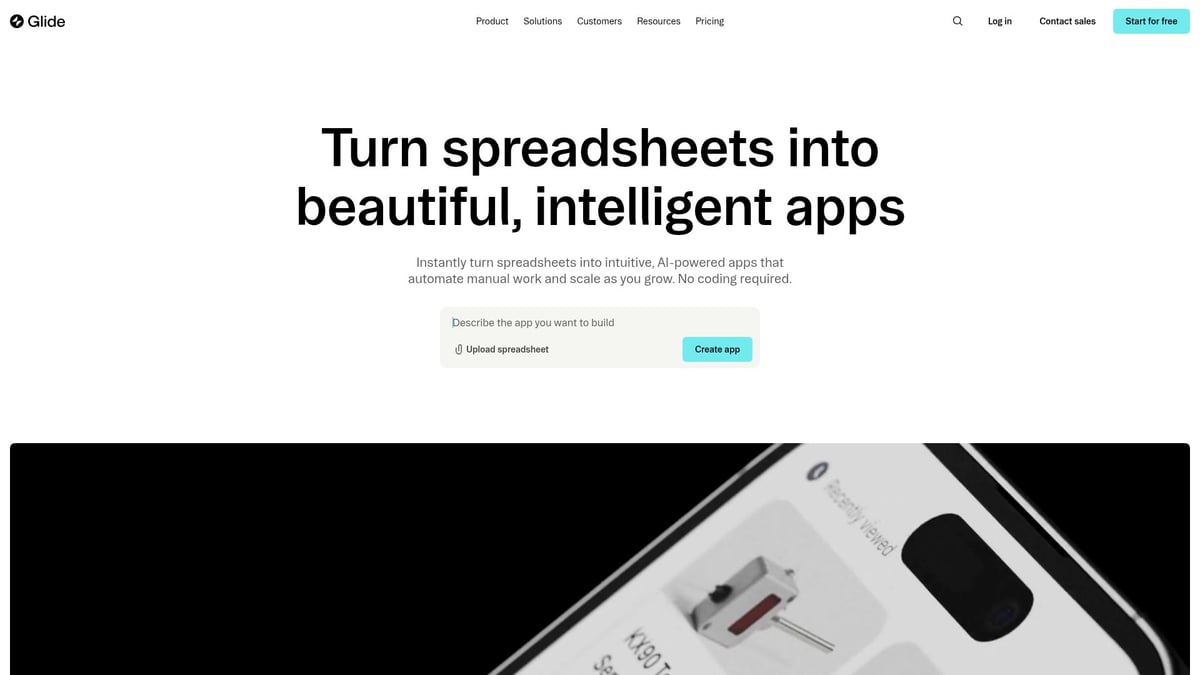
Its pricing starts with a free plan, and paid options begin at $60 per month. These include business and enterprise plans, which scale as your needs grow. One huge advantage over Lovable is that Glide doesn’t impose token or message limits, so teams can iterate rapidly without hitting frustrating caps.
For teams focused on operations, enterprises, or startups, Glide removes barriers for non-technical users. You can build CRMs, dashboards, or internal portals in days rather than weeks. Robust data management, role-based permissions, and real-time collaboration make it ideal for growing organizations.
Pros:
- Fast prototyping with a visual interface
- Scalable for production use
- Strong security and compliance
- Seamless data integration
Cons:
- Less flexibility for highly custom code
- Some advanced features require higher-tier plans
A real-world example is Volkswagen, which uses Glide for scalable internal tools. The unique selling point? Glide empowers anyone to create enterprise-grade apps, making it a lovable alternative that truly democratizes app development.
Trickle AI
If you want a lovable alternative that translates plain English into working web apps, Trickle AI is a top contender. Its core features include natural language app creation, a built-in lightweight database, all-in-one hosting, and instant AI chat integration. With pre-built templates and support for custom domains, launching an MVP or internal tool is fast and frictionless.
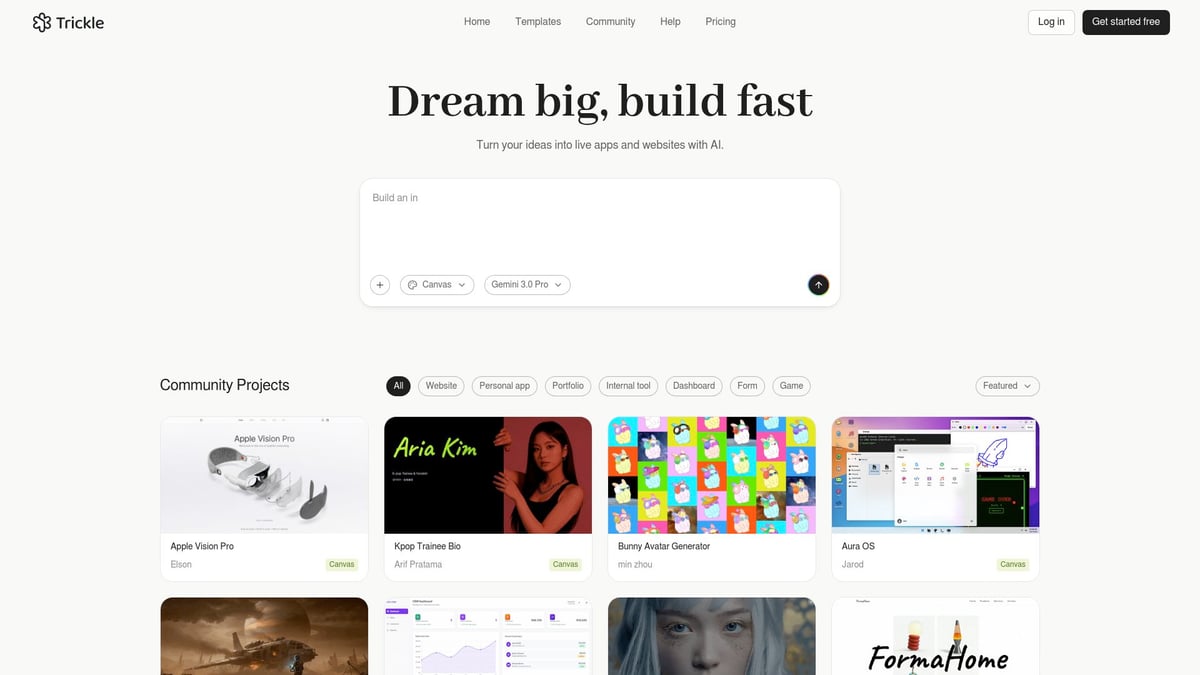
Trickle AI offers a free tier (5 daily messages, 100 database rows), with Pro at $20/month and Premium at $50/month. Pricing is flexible and scales based on usage, making it a cost-effective lovable alternative for early-stage teams.
Key benefits include removing technical barriers for non-coders, streamlining rapid prototyping, and enabling product managers or cross-functional teams to iterate quickly. The intuitive interface keeps things simple, while the integrated database handles data storage behind the scenes.
Pros:
- Natural language to app workflow
- Flexible pricing structure
- Built-in database and hosting
- No-code and low-code accessibility
Cons:
- Limits on free tier for messages and database rows
- Advanced customization may require a paid plan
With over 108,000 monthly users, Trickle AI is trusted for fast, collaborative app launches. Its unique selling point is the ability to minimize miscommunication and speed up validation, making it a lovable alternative for teams who need to move fast. If you’re still weighing the pros and cons of no-code versus custom app development, check out this helpful No Code App Builder vs Custom App Development: Which Is Right for You? guide for deeper insights.
Bolt.new
For those seeking a lovable alternative with real coding power and AI assistance, Bolt.new is a game changer. It offers a full-stack browser-based IDE, allowing you to install and run npm packages, spin up a Node.js server in the browser, and code collaboratively in real time.
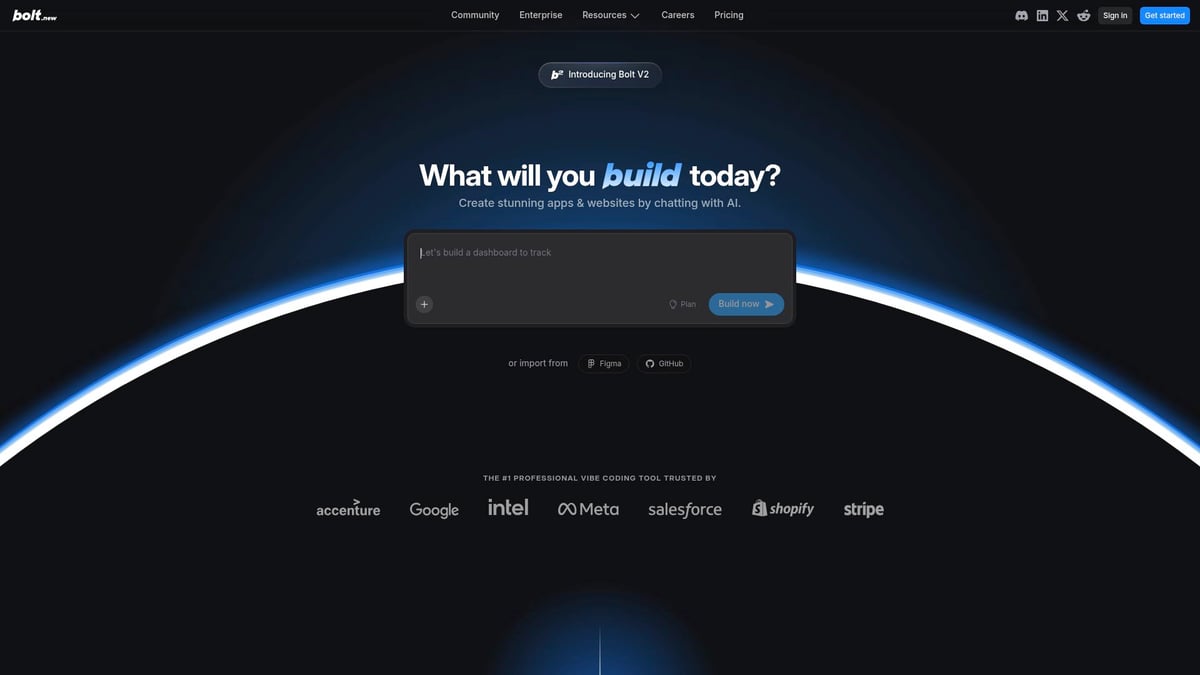
Bolt.new’s pricing starts with a generous free tier (150,000 tokens per day), while Pro plans begin at $20/month and scale to $200/month for advanced use. This lovable alternative stands out by eliminating the need for local setup, making instant deployment and AI-assisted coding accessible from any device.
Its key benefits include supporting non-technical users through AI code generation, real-time troubleshooting, and one-click deployment. Multiplayer coding features make it perfect for product managers, designers, and entrepreneurs who want to build and iterate quickly.
Pros:
- No local environment required
- Strong AI coding assistant (Claude 3.5 Sonnet)
- Real-time collaboration
- Supports rapid prototyping
Cons:
- Token-based pricing can be confusing
- Heavy users may need higher-tier plans
Bolt.new is used by a diverse audience, with 60 to 70 percent being non-technical professionals. Its unique selling point is combining browser-based development with AI, making full-stack app creation accessible and efficient for anyone seeking a lovable alternative.
HopeAI
HopeAI is a lovable alternative built for teams that value structure, scalability, and reusable code. Its component-driven development model integrates deeply with the Bit platform, empowering teams to generate components with AI, automate testing, and deploy to the cloud seamlessly.
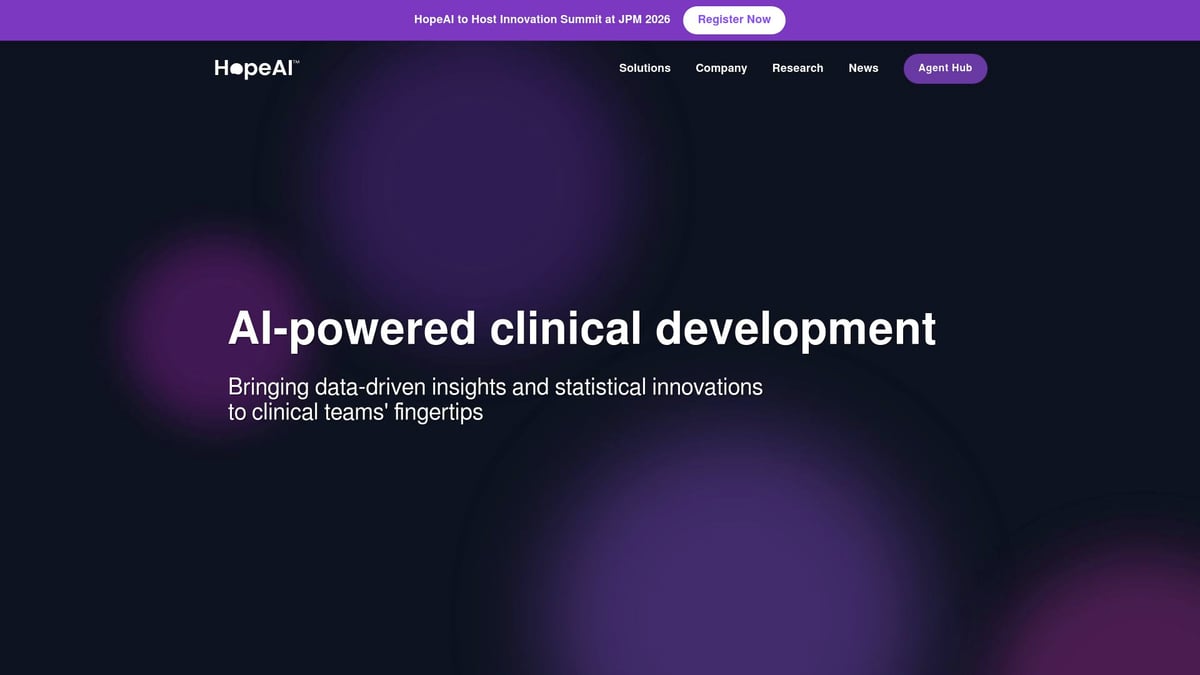
The core platform is open-source and free for most users, with custom enterprise pricing available for advanced needs. HopeAI’s modular architecture is perfect for development teams and software architects who want to scale complex projects without introducing technical debt.
Key benefits include seamless team collaboration, strong component reuse, and prevention of codebase inconsistencies. This lovable alternative helps teams transition from “vibe coding” to structured, maintainable development.
Pros:
- Free for most users
- Promotes code reuse and scalability
- Reduces technical debt
- Improves team efficiency
Cons:
- Some familiarity with component-based development required
- Less suited for solo non-technical users
Teams moving from rapid prototyping to structured development often choose HopeAI. Its unique selling point is enabling scalable, maintainable projects through AI-powered, reusable components, cementing its place as a lovable alternative for serious teams.
Replit
Replit is a lovable alternative that democratizes coding and app deployment for all skill levels. It features a browser-based IDE supporting over 50 programming languages, an AI-powered coding assistant, real-time collaboration, and even a mobile coding app for building on the go.
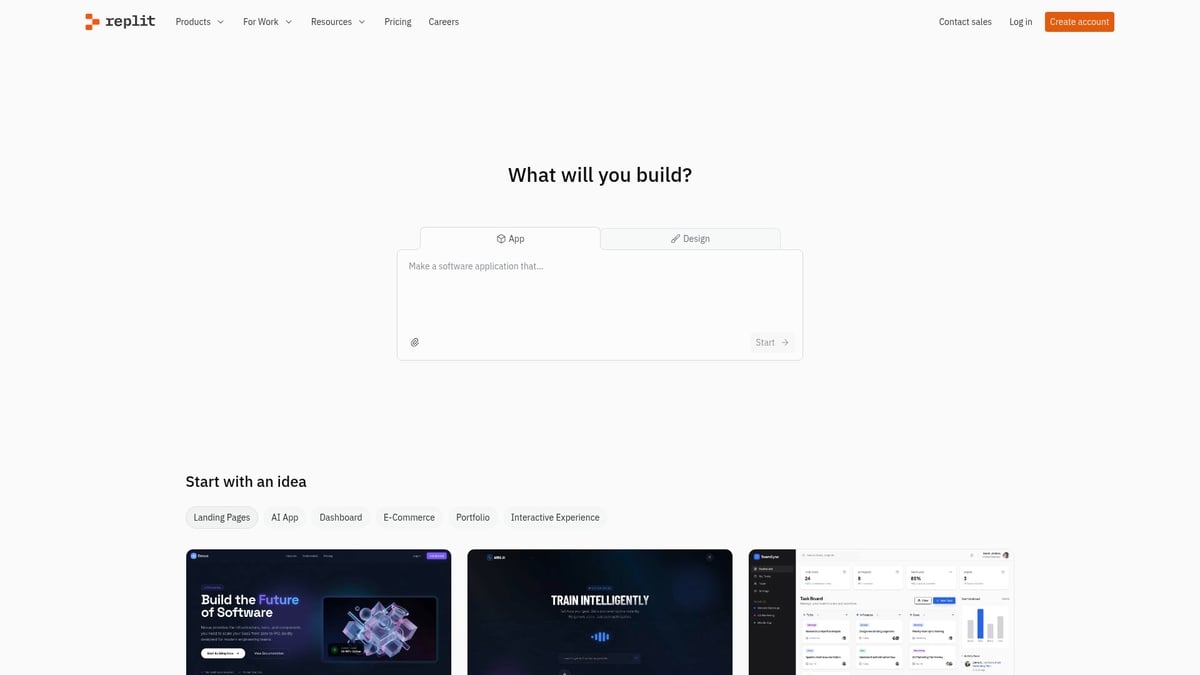
Replit’s free tier allows three public apps, with Core at $30/month and Teams at $35 per user per month. Educational plans are also available, making this lovable alternative especially popular among schools, bootcamps, and collaborative teams.
Key benefits include instant project setup from any device, robust support for teaching and collaboration, and no installation required. Its broad language support and built-in deployment tools make it a favorite for solo developers, educators, and teams alike.
Pros:
- No setup needed
- Supports 50+ languages
- Real-time collaboration
- Strong educational resources
Cons:
- Free plan restricts to public projects
- Some advanced features behind paywall
Replit is widely used in educational settings and for pair programming. Its unique selling point is lowering barriers for everyone to build and launch apps, making it a lovable alternative for learning and professional use.
Codev
Codev is a lovable alternative designed for founders and developers who want production-ready code without vendor lock-in. It generates Next.js apps from natural language prompts, integrates with Supabase for database needs, and sets up all necessary packages automatically.
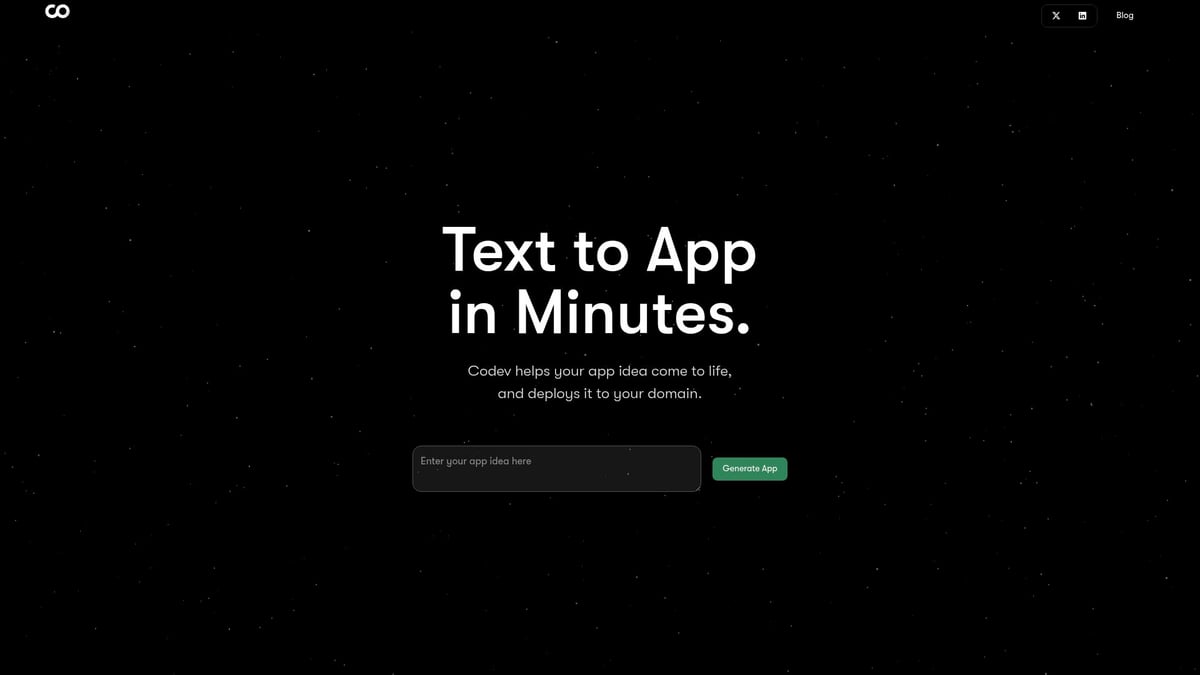
Codev’s pricing includes a free tier (one project, five daily messages), Lite at $19/month, Pro at $49/month, and custom enterprise options. This lovable alternative stands out by offering code export and GitHub integration, so you truly own your application and can scale beyond the platform.
Key benefits are rapid MVP creation, full code ownership, and transparency about platform limits. The active community supports builders ranging from startups to solo founders.
Pros:
- Code export and GitHub integration
- Fast MVP/prototype creation
- Honest about platform limits
- Active user community
Cons:
- Message limits on free tier
- Advanced scalability may require developer intervention
With 15,000+ builders and 17,000+ apps launched, Codev bridges the gap between no-code and developer-grade solutions. Its unique selling point is handing over real, production-ready code, making it a lovable alternative for anyone who wants freedom and flexibility.
How to Choose the Best Lovable Alternative for Your Needs
Selecting the right lovable alternative can feel overwhelming, especially with so many innovative options in 2026. The ideal platform depends on your team's skills, project goals, and long-term plans. Let's break down the key decision points to help you confidently navigate your options.
Assessing Your Project Goals and Team Skills
Start by identifying your main objective for seeking a lovable alternative. Are you building a business dashboard, an AI-powered MVP, or a collaborative tool? Consider your team's technical expertise. If you prefer a visual drag-and-drop experience, Glide is a strong candidate. For those wanting natural language to app workflows, Trickle AI or Codev may be more intuitive.
If your team includes experienced developers, HopeAI or Bolt.new offer more control and customization. For projects that demand ownership and code export, platforms like Codev stand out. Not sure where to start? This guide on choosing a no-code platform offers practical steps for evaluating your needs.
Comparing Pricing and Scalability
Pricing can make or break your choice of lovable alternative. Analyze what each free tier provides. For example, Trickle AI and Codev have message or database caps on their free plans, while Glide offers unlimited prototyping but restricts some advanced features to paid tiers.
Consider scalability as you grow. Does your chosen platform support enterprise upgrades or business-level features? Look at token or usage-based pricing models, as seen with Bolt.new, to anticipate future costs. Weigh these alongside your budget and expected app usage.
Integration and Collaboration Features
Seamless integration and teamwork are essential for many organizations. If your workflow depends on syncing with tools like Slack, Gmail, or OpenAI, prioritize a lovable alternative with strong native integrations, such as Glide or Bolt.new.
Collaboration features also matter. Replit and Bolt.new shine with real-time code editing, making them excellent for distributed teams. Meanwhile, HopeAI emphasizes structured, component-based teamwork for larger development groups.
Security, Compliance, and Production Readiness
Security and compliance are non-negotiable, especially for enterprise or customer-facing apps. Glide stands out with SOC 2 Type 2 certification, while other platforms offer built-in authentication and audit trails.
Ask yourself: Is the lovable alternative ready for production, or best for prototyping? Review each platform’s documentation for details on deployment, user management, and data handling to ensure it fits your compliance requirements.
Real-World Examples and Use Cases
Seeing how others use these platforms can clarify your decision. For instance, Volkswagen leverages Glide for internal tools, while schools use Replit for coding education. Startups often turn to Codev when they need fast MVPs with code export.
Explore case studies and user success stories as you compare. This context helps you visualize how a lovable alternative might fit your workflow or industry.
Pros and Cons Summary Table
Below is a quick-glance table comparing the six top alternatives:
| Platform | Core Features | Ideal Users | Free Tier Limits | Main Drawback |
|---|---|---|---|---|
| Glide | Visual builder, AI, security | Ops teams, enterprises | Some advanced features | Less custom code |
| Trickle AI | Natural language, chat, DB | PMs, non-tech users | Msg/DB caps | Limited free usage |
| Bolt.new | Browser IDE, AI, deploy | Devs, designers, PMs | Token limits | Token pricing |
| HopeAI | Components, AI, Bit | Dev teams, architects | Open-source | Learning curve |
| Replit | Browser IDE, collab, AI | Educators, devs, students | Public-only projects | Paywall features |
| Codev | NL to code, export, GitHub | Startups, founders | Msg limit, 1 project | Advanced scaling |
Use this table to quickly compare which lovable alternative aligns best with your priorities.
Frequently Asked Questions About Lovable Alternatives
Looking for a lovable alternative and still have questions? You are not alone. Here are the most common queries from creators, developers, and teams exploring their options in 2026.
What are the main reasons to switch from Lovable to a different platform?
Many users look for a lovable alternative due to message or token limits, scalability concerns, and the need for more advanced customization. Some hit daily usage caps or require features that support larger teams or complex workflows. For an in-depth breakdown of Lovable's strengths and challenges, check out the Lovable dev guide for 2025.
Which platform is best for non-technical users?
Glide and Trickle AI stand out for their visual interfaces and natural language features. These platforms make building apps approachable, with minimal technical know-how required.
Which alternative offers the most flexibility for developers?
Bolt.new and Replit are favorites among developers. They provide full-stack environments, support for many programming languages, and robust AI tools for collaborative coding and real-time deployment.
Can I export my code or am I locked into the platform?
If code ownership matters, Codev is a top lovable alternative. It supports exporting production-ready Next.js code, giving you full control and avoiding vendor lock-in.
How do pricing and usage limits compare among these platforms?
Pricing varies widely. Some, like Replit and Trickle AI, offer generous free tiers but impose limits on projects or messages. Paid plans unlock more features and scalability. Compare plans carefully to match your needs.
Are these alternatives secure and enterprise-ready?
Yes, especially Glide and HopeAI, which offer enterprise-grade security and compliance features. Check for certifications like SOC 2 Type 2 if your organization requires them.
What support and community resources are available for each?
Most platforms provide extensive documentation, active forums, and dedicated support. Replit and Glide, for example, have strong communities and learning resources.
How easy is it to migrate from Lovable to these alternatives?
Migration depends on your project complexity. Platforms like Codev and Bolt.new offer clear paths for importing data or code, while others may require some manual adjustments.
What are the best options for education or team collaboration?
Replit is widely used in schools and coding bootcamps for collaborative learning. Bolt.new and HopeAI also support real-time teamwork and pair programming.
How do these platforms handle AI integration and automation?
Most leading alternatives have built-in AI assistants and automation features. For a deeper dive into how no-code and low-code platforms are evolving, see this comparison of no-code vs low-code differences.
Still unsure which lovable alternative is right for you? Review your project needs, test a few platforms, and reach out to their support teams for personalized guidance.
Final Considerations for 2026: Trends and Predictions
The landscape for finding the right lovable alternative is evolving rapidly as 2026 approaches. With innovation accelerating, creators and businesses are searching for platforms that keep pace with their ambitions. Staying ahead means understanding the major trends shaping the future of no-code, low-code, and AI-powered solutions.
AI-assisted no-code and low-code development are reshaping how businesses build and iterate on ideas. Tools are getting smarter, letting users turn plain language into production-ready apps in record time. This trend boosts business agility and opens up innovation to everyone, not just developers. Recent research and industry analysis, like the insights from Top 7 AI Development Tools That Will Replace Low-Code Platforms by 2026, highlight how next-gen platforms are set to outperform traditional options and redefine what a lovable alternative can offer.
As organizations demand more from their tools, scalability, security, and collaboration are becoming non-negotiable. Platforms offering code export and true ownership are gaining traction, helping businesses avoid vendor lock-in. Hybrid teams, where technical and non-technical users work side-by-side, need lovable alternative solutions that bridge gaps and foster seamless collaboration. Expect more platforms to focus on robust permissions, enterprise security, and easy integrations to meet these changing needs.
Looking ahead, we predict deeper integration between AI and no-code platforms, richer API ecosystems, and a stronger focus on data privacy and compliance. The ideal lovable alternative will empower teams to innovate quickly without sacrificing control or security. As these trends accelerate, testing multiple platforms is the best way to find the right fit for your unique workflow and goals.
If you’re feeling inspired by these Lovable alternatives and ready to bring your next big idea to life, you’re not alone. In 2026, speed and flexibility are everything—especially when launching new products or testing out fresh concepts. With the right platform and a little expert help, you can turn those ideas into a real MVP faster than you think. Curious what’s possible when you combine no code and AI? Let’s make sure your project gets off the ground quickly and efficiently. Launch Your MVP in Weeks, Not Months

About Big House
Big House is committed to 1) developing robust internal tools for enterprises, and 2) crafting minimum viable products (MVPs) that help startups and entrepreneurs bring their visions to life.
If you'd like to explore how we can build technology for you, get in touch. We'd be excited to discuss what you have in mind.
Other Articles
Discover how telegram bot ai transforms business communication. Learn development strategies, use cases, and no-code implementation approaches.
Discover how artificial intelligence simulation enables businesses to test strategies, reduce risk, and accelerate innovation with no-code tools.
Discover the 10 best software designing tools for developers in 2025. Compare features, collaboration, pricing, and trends to choose the perfect tool for your needs.