
Understanding Artificial Intelligence Simulation Fundamentals
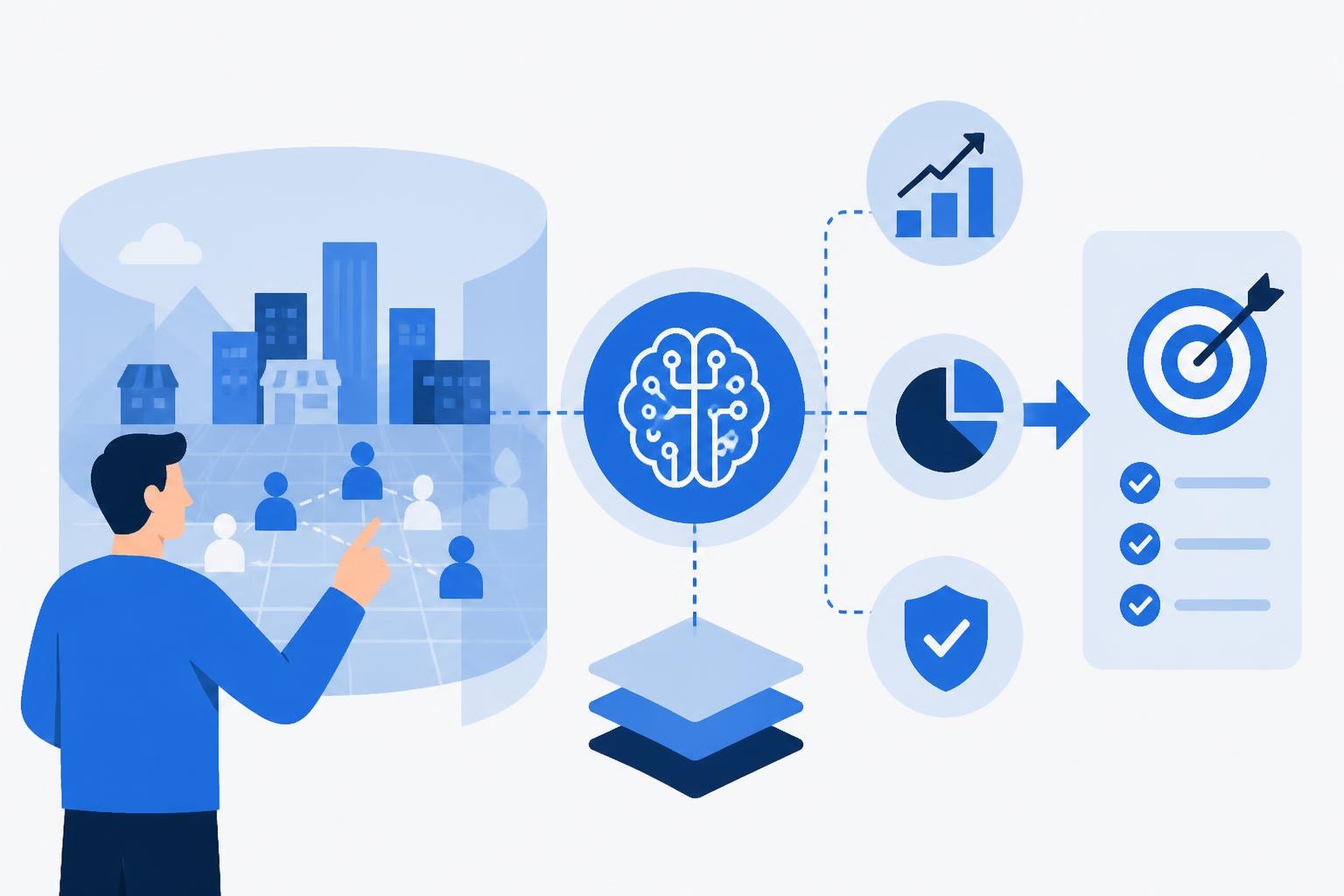
An artificial intelligence simulation creates a digital twin of real-world systems where intelligent agents operate according to defined rules, learn from interactions, and generate insights about complex scenarios. Unlike traditional automation that simply executes predefined tasks, AI-driven simulations focus on prediction and strategy testing, allowing businesses to understand cause-and-effect relationships before making critical decisions.
Core Components of AI Simulations
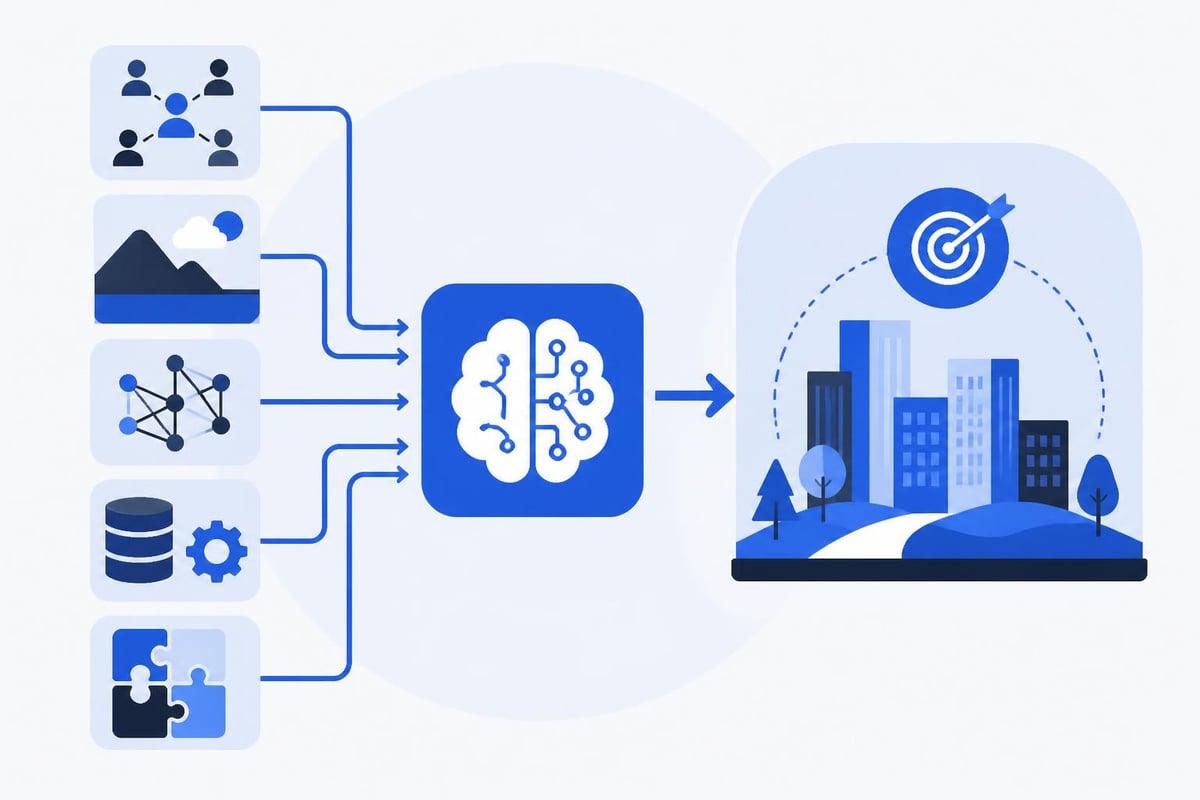
The foundation of any artificial intelligence simulation rests on several key elements working in harmony:
- Agent-based modeling where individual entities make autonomous decisions
- Environment parameters that define rules, constraints, and interactions
- Learning algorithms that enable agents to adapt and improve over time
- Data integration connecting simulations to real-world information sources
- Outcome analysis tools that interpret results and generate actionable insights
These components combine to create virtual laboratories where businesses can experiment with market strategies, operational changes, and product features without disrupting existing operations.
Types of Business Simulations
Organizations deploy artificial intelligence simulation across various domains, each serving distinct strategic purposes. Market simulations model consumer behavior and competitive dynamics, helping companies test pricing strategies and product launches. Operational simulations optimize supply chains, workforce allocation, and resource management. Process simulations identify bottlenecks and improvement opportunities in workflows.
The choice between simulation types depends on specific business objectives and available data. No-code platforms have democratized access to these capabilities, enabling startups and mid-sized enterprises to build sophisticated simulations without extensive coding expertise.
Building Simulations with No-Code Technologies
Modern no-code development platforms have revolutionized how businesses create and deploy artificial intelligence simulation tools. These platforms eliminate traditional barriers to entry, allowing subject matter experts to build simulations without relying on specialized AI engineers or data scientists.
Platform Selection Criteria
| Capability | Business Impact | No-Code Advantage |
|---|---|---|
| Visual workflow builders | Faster development cycles | 70% reduction in build time |
| Pre-built AI components | Lower technical barriers | No ML expertise required |
| Integration capabilities | Connect real data sources | API connections via UI |
| Scalability options | Handle complex scenarios | Cloud-based infrastructure |
When selecting a platform for artificial intelligence simulation development, businesses should evaluate integration capabilities with existing systems, the breadth of available AI components, and the learning curve for non-technical users. The best database options for no-code platforms ensure simulations can access and process relevant data efficiently.
Development Workflow
Creating an artificial intelligence simulation through no-code tools follows a structured approach:
- Define objectives and key performance indicators for the simulation
- Map stakeholder requirements and success criteria
- Design agent behaviors and interaction rules visually
- Configure environment parameters using drag-and-drop interfaces
- Integrate data sources through API connectors
- Run initial tests with limited scope
- Iterate based on results and expand complexity
- Deploy production version with monitoring dashboards
This workflow accelerates time-to-value significantly compared to custom-coded solutions. Organizations that traditionally needed months to launch simulations now deploy functional prototypes in weeks.
Real-World Applications Across Industries
Artificial intelligence simulation has proven valuable across diverse sectors, from retail to manufacturing, healthcare to finance. Each industry adapts the technology to address specific challenges and opportunities unique to their operational context.
Retail and E-Commerce Optimization
Retailers leverage artificial intelligence simulation to test merchandising strategies, pricing algorithms, and customer journey optimizations. A virtual store environment populated with AI shoppers exhibiting realistic behavioral patterns allows companies to experiment with layout changes, promotional tactics, and inventory management approaches.
These simulations incorporate machine learning models trained on historical transaction data, seasonal trends, and demographic information. The development of AI applications for retail typically includes recommendation engines that can be tested and refined within simulation environments before customer deployment.
Manufacturing and Supply Chain Planning
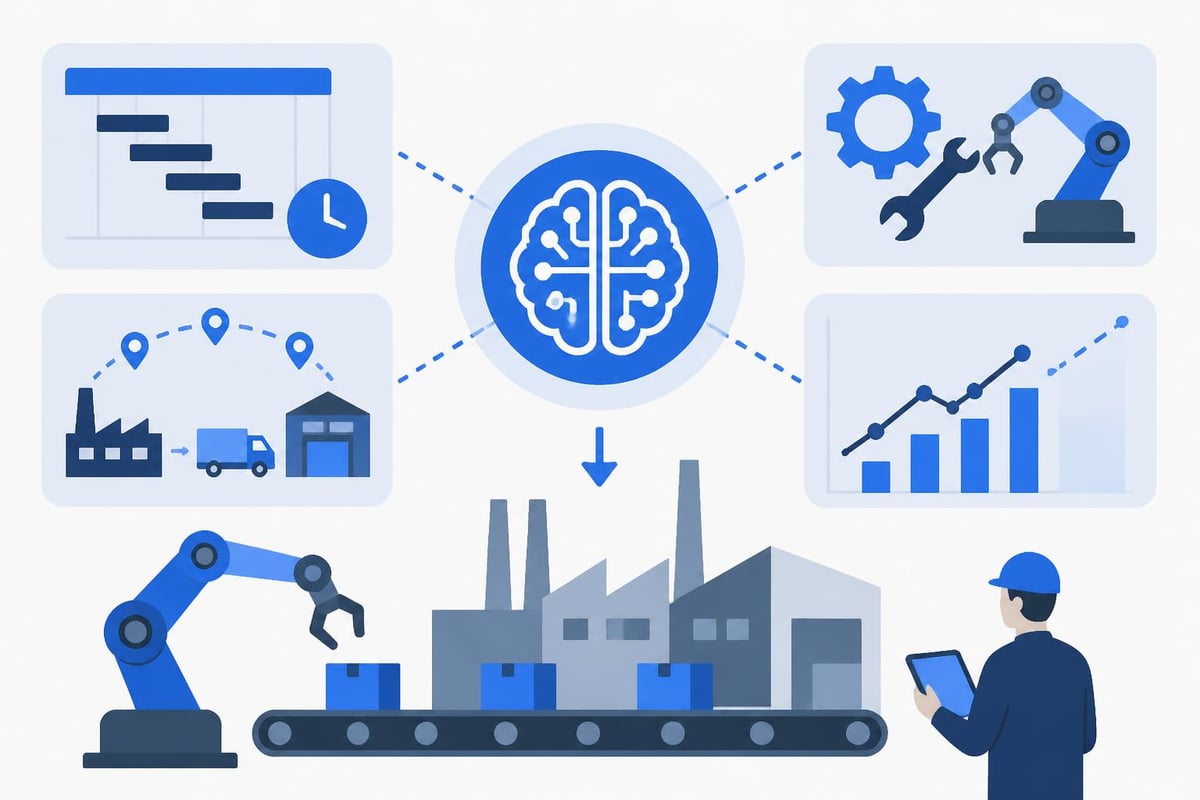
Manufacturers use simulations to optimize production schedules, equipment maintenance timing, and supply chain resilience. An artificial intelligence simulation might model factory operations with thousands of variables, testing how different scheduling algorithms perform under various demand scenarios or disruption events.
Key benefits for manufacturing simulations:
- Reduced downtime through predictive maintenance testing
- Optimized resource allocation across production lines
- Improved demand forecasting accuracy
- Risk mitigation for supply chain disruptions
The ability to test "what-if" scenarios proves particularly valuable when considering major capital investments or operational reorganizations. Platforms like AICitySim demonstrate how complex systems with numerous interacting agents can model entire ecosystems, providing insights applicable to industrial operations.
Financial Services Risk Modeling
Financial institutions deploy artificial intelligence simulation for risk assessment, fraud detection, and trading strategy validation. These simulations model market dynamics, customer behaviors, and regulatory scenarios to stress-test portfolios and business models.
A bank might simulate thousands of economic scenarios to evaluate loan portfolio performance, while investment firms test algorithmic trading strategies against historical and synthetic market conditions. The controlled environment allows identification of edge cases and vulnerabilities without exposing capital to actual risk.
Training AI Agents in Simulated Environments
One of the most powerful applications of artificial intelligence simulation involves training AI agents before real-world deployment. This approach, sometimes called "digital rehearsal," allows algorithms to learn from millions of simulated interactions, developing robust decision-making capabilities without costly mistakes in production environments.
Sandbox Learning Approaches
Platforms like Collinear provide simulation labs specifically designed for AI agent training. These sandboxed environments replicate real-world conditions with sufficient fidelity to produce transferable learning while maintaining complete isolation from production systems.
The training process follows an iterative cycle:
- Generate diverse scenarios covering edge cases and common situations
- Allow agents to interact and make decisions
- Evaluate performance against defined metrics
- Adjust agent parameters and retrain
- Validate improvements through additional simulation rounds
This methodology proves especially valuable for applications where real-world training carries significant risks or costs, such as autonomous systems, medical diagnostics, or financial trading.
Evolutionary Algorithms in Simulation
Some artificial intelligence simulation approaches employ evolutionary algorithms where agents improve through generational selection. EvoBots demonstrates this concept by evolving neural networks through genetic algorithms within virtual environments, showcasing how simulated selection pressure produces increasingly sophisticated behaviors.
For business applications, evolutionary approaches help optimize complex systems where traditional programming proves impractical. A logistics company might evolve routing algorithms across simulated delivery networks, or a customer service platform could evolve conversation strategies through millions of simulated interactions.
Ethical Considerations and Simulation Design
As artificial intelligence simulation becomes more sophisticated, ethical considerations around simulation design and deployment demand attention. Simulations inherit biases from training data, design assumptions, and parameter choices, potentially amplifying problematic patterns if not carefully managed.
Bias Detection and Mitigation
| Bias Source | Detection Method | Mitigation Strategy |
|---|---|---|
| Historical data | Statistical analysis of outcomes | Synthetic data augmentation |
| Agent design | Behavioral pattern analysis | Diverse agent populations |
| Environment rules | Edge case testing | Stakeholder review processes |
| Outcome interpretation | Comparative scenario analysis | Multi-perspective evaluation |
SimulateAI offers educational tools that help teams understand and navigate ethical challenges in AI development, including simulation-specific considerations around representation, fairness, and transparency.
Organizations building artificial intelligence simulation systems should establish governance frameworks that include diverse perspectives in design decisions, regular audits of simulation outcomes for unexpected biases, and clear documentation of assumptions and limitations.
Transparency and Explainability
Business stakeholders often struggle to trust simulation results they don't understand. Effective artificial intelligence simulation platforms provide visibility into agent decision-making processes, clear explanations of why particular outcomes emerged, and intuitive visualizations of complex interactions.
No-code platforms excel at transparency because their visual development interfaces inherently document system logic. When building AI applications, this visibility helps non-technical stakeholders participate in validation and refinement processes.
Strategic Planning Through Scenario Simulation
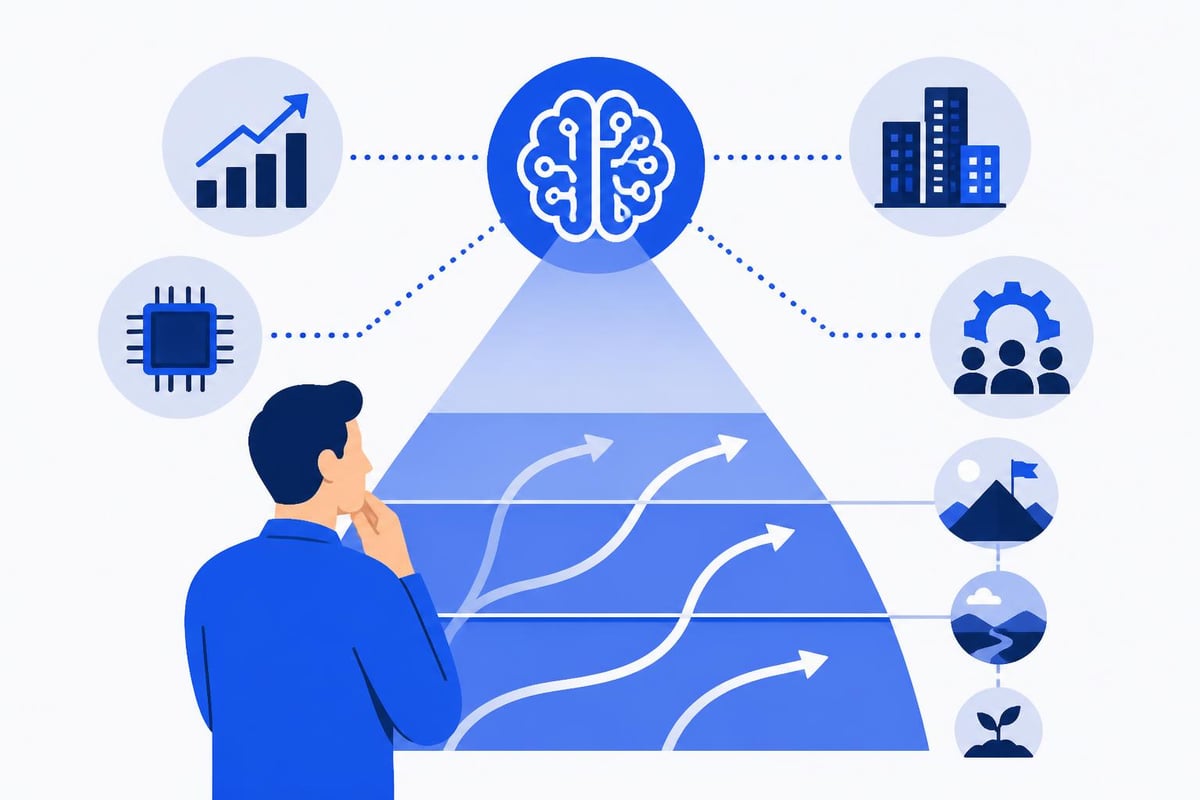
Forward-thinking organizations use artificial intelligence simulation not just for operational optimization but for strategic foresight and planning. These strategic simulations explore long-term scenarios, emerging technologies, and transformational changes that might reshape industries.
Future Scenario Exploration
Strategic simulation tools like Foom enable participants to navigate evolving AI scenarios, making sequential decisions and observing consequences over extended timeframes. This approach builds organizational capacity to anticipate and respond to technological disruption.
A strategic artificial intelligence simulation might model how different AI adoption strategies affect competitive positioning over five years, accounting for factors like talent acquisition, technology maturation, regulatory changes, and customer acceptance rates.
Strategic simulation applications include:
- Market entry timing and approach validation
- Technology investment prioritization
- Organizational transformation planning
- Competitive response scenario testing
- Regulatory compliance strategy development
The insights from strategic simulations inform board-level decisions about resource allocation, partnership strategies, and capability development priorities.
Collaborative Decision-Making
The most effective strategic simulations involve cross-functional teams working together to interpret results and develop responses. Unlike traditional strategic planning exercises based on static analysis, artificial intelligence simulation allows teams to test proposed strategies dynamically, observing emergent consequences and adjusting approaches in real-time.
This collaborative approach proves particularly valuable when addressing complex challenges without clear precedents. Research on large-scale generative simulation AI highlights the technology's potential to model behaviors and scenarios that elude traditional analytical approaches.
Integration with Existing Systems and Workflows
Successful artificial intelligence simulation deployment requires thoughtful integration with existing business systems and decision-making processes. Isolated simulations that don't connect to real data or influence actual operations deliver limited value regardless of technical sophistication.
Data Pipeline Architecture
Modern simulations consume data from multiple sources including transactional systems, customer relationship management platforms, IoT sensors, and external market feeds. The architecture must support:
- Real-time data ingestion for current-state

About Big House
Big House is committed to 1) developing robust internal tools for enterprises, and 2) crafting minimum viable products (MVPs) that help startups and entrepreneurs bring their visions to life.
If you'd like to explore how we can build technology for you, get in touch. We'd be excited to discuss what you have in mind.
Other Articles
Discover the best platforms to hire Bubble developers, explore pricing models, and learn about project timelines, skill levels, and tips for selecting top-tier no-code development talent.
Complete cost breakdown comparing no-code and custom development. Learn upfront costs, maintenance expenses, and total ownership costs in 2026.
Discover the 7 best enterprise software development company picks for 2025. Compare features, pricing, and trends to choose the ideal partner for your business.