
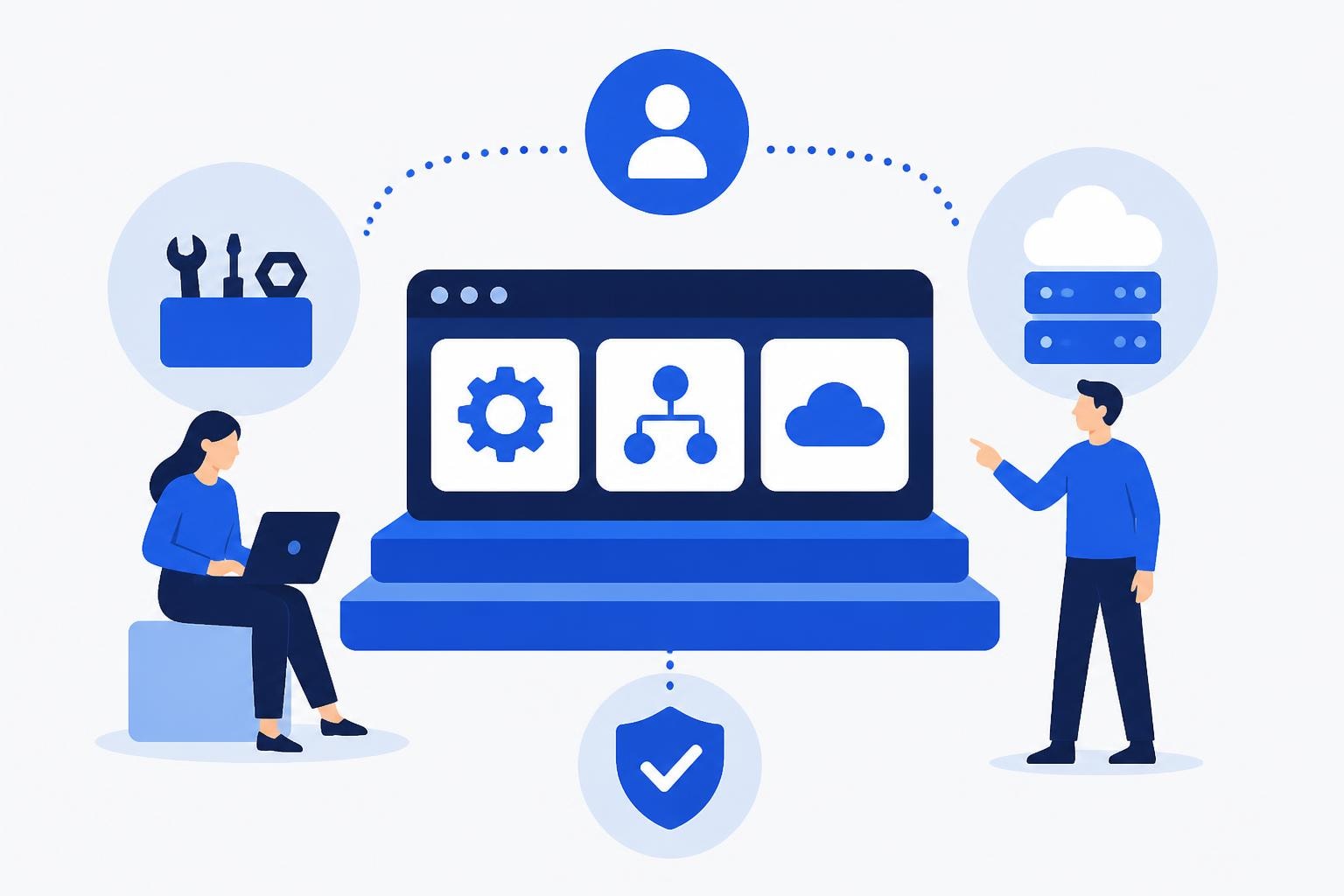
Modern software development teams face an overwhelming array of tools, environments, and processes that can slow down delivery and create bottlenecks. An internal developer platform serves as a unified solution that consolidates these disparate elements into a cohesive system, enabling developers to focus on building features rather than wrestling with infrastructure. As organizations scale their development operations in 2026, understanding how to leverage these platforms has become essential for maintaining competitive velocity and developer satisfaction.
What Defines an Internal Developer Platform
An internal developer platform is a layer of tooling and infrastructure that sits between developers and the underlying cloud resources they need to build and deploy applications. Rather than forcing each developer to understand every aspect of infrastructure configuration, security policies, and deployment pipelines, the platform provides standardized abstractions and self-service capabilities.
The core value proposition centers on reducing cognitive load. When developers can provision databases, deploy applications, and access monitoring tools through a unified interface, they spend less time context-switching and more time solving business problems. This approach particularly benefits teams building internal tools, where development speed and cost efficiency directly impact business outcomes.
Key Components of Modern Platforms
Every effective internal developer platform includes several essential building blocks that work together:
- Service catalogs that document available services, APIs, and infrastructure components
- Self-service provisioning tools allowing developers to create environments without waiting for operations teams
- Golden paths representing recommended, secure ways to accomplish common tasks
- Integration layers connecting CI/CD pipelines, monitoring systems, and cloud providers
- Documentation portals centralizing knowledge about platform capabilities and best practices
These components don't exist in isolation. The platform orchestrates them into workflows that align with organizational standards while providing flexibility for specific use cases.
The Platform Engineering Movement
Platform engineering has emerged as a distinct discipline focused on building and maintaining internal developer platforms. Unlike traditional DevOps, which often distributes operational responsibilities across development teams, platform engineering centralizes expertise into dedicated teams that treat the platform itself as a product.
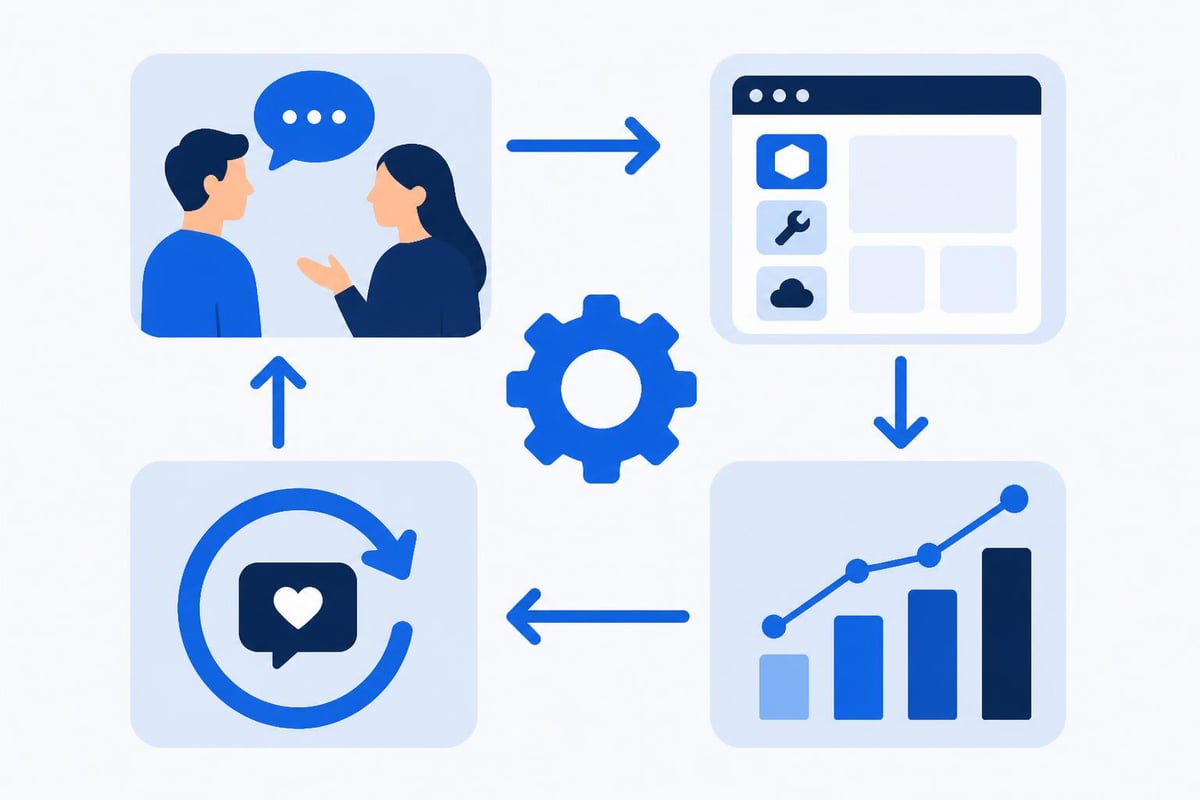
Red Hat's perspective on internal developer platforms emphasizes this product mindset. Platform teams conduct user research with developers, iterate on features based on feedback, and measure success through metrics like deployment frequency and time-to-productivity for new team members.
Balancing Standardization and Flexibility
The tension between providing opinionated golden paths and allowing developer autonomy defines many platform engineering decisions. Too much rigidity creates friction and drives developers to work around the platform. Too much flexibility defeats the purpose of standardization.
Successful platforms establish sensible defaults while providing escape hatches for legitimate exceptions. A developer building a standard web application follows the golden path with minimal configuration. Another developer needing specialized infrastructure can still access lower-level tools, though with additional approval workflows or security reviews.
This balance mirrors the approach that no-code platforms take when serving enterprise clients. The platform provides guardrails and best practices while acknowledging that real-world requirements sometimes demand customization.
Implementation Strategies for 2026
Building an internal developer platform requires careful planning and phased execution. Organizations that treat this as a big-bang project typically struggle, while those that start small and expand incrementally see better adoption and ROI.
Starting With High-Impact Use Cases
Begin by identifying the most painful bottlenecks in your current development workflow. Common starting points include:
- Environment provisioning where developers wait days for infrastructure requests
- Database management involving manual setup and configuration across multiple environments
- Secret management where credentials get stored insecurely or shared inappropriately
- Deployment pipelines requiring custom scripts maintained by individual teams
Address one or two of these areas first. Build self-service capabilities that demonstrably save time and reduce frustration. Success in these initial use cases builds momentum for broader platform adoption.
The choice of foundational technology matters less than organizational fit. Some teams build on Kubernetes with tools like Kuberise, which integrates 40+ CNCF projects into a cohesive stack. Others adopt platforms like Cycloid or LayerOps that provide opinionated starting points with proven patterns.
Measuring Platform Success
| Metric Category | Example Metrics | Why It Matters |
|---|---|---|
| Developer Velocity | Time from commit to production, deployment frequency | Indicates whether platform accelerates delivery |
| Developer Experience | Platform NPS, time to first deployment for new hires | Measures satisfaction and usability |
| Operational Efficiency | Mean time to recovery, incident frequency | Shows platform reliability impact |
| Resource Utilization | Cloud cost per service, idle resource percentage | Demonstrates cost optimization |
Track these metrics from day one. They provide objective evidence of platform value and guide prioritization decisions. Just as application development platforms measure builder productivity, internal developer platforms need clear success criteria.

No-Code Integration Opportunities
The rise of no-code development creates unique opportunities for internal developer platforms. Rather than viewing no-code and traditional development as separate tracks, forward-thinking organizations integrate them into unified platforms that serve different builder personas.
Consider these integration patterns:
- Expose backend services built with traditional code through APIs that no-code tools consume
- Use no-code platforms for rapid prototyping, then promote successful concepts to traditional development
- Build internal tools and admin panels with no-code while maintaining core products in code
- Provide no-code database solutions as platform services accessible to all developers
This hybrid approach maximizes team efficiency. Business analysts and citizen developers tackle straightforward automation and reporting tools. Professional developers focus on complex, high-value features requiring custom logic. The internal developer platform provides the connective tissue ensuring all these efforts work together securely and reliably.
Enabling Citizen Developers Safely
When non-developers gain self-service access to platform capabilities through no-code tools, governance becomes critical. The platform must enforce security boundaries, prevent accidental resource sprawl, and maintain audit trails without creating bureaucratic overhead.
Implement tiered access models where internal tool developers work within sandboxed environments that automatically apply security policies. Provide templates for common use cases like data dashboards, approval workflows, and customer portals. These templates embody organizational best practices while accelerating development for teams with varying technical expertise.
Advanced Platform Capabilities
As internal developer platforms mature, they evolve beyond basic infrastructure provisioning into sophisticated systems that actively improve code quality and team productivity.
Intelligent Automation and AI Integration
Modern platforms incorporate AI capabilities that help developers make better decisions:
- Automated code review identifying security vulnerabilities and performance issues
- Resource optimization recommending right-sized infrastructure based on usage patterns
- Predictive scaling anticipating traffic spikes and adjusting capacity proactively
- Smart documentation generating API docs and updating runbooks based on code changes
The MetricSynth framework demonstrates how platforms aggregate performance metrics across multiple systems, giving engineering leaders real-time visibility into team productivity and application health. These insights enable data-driven decisions about resource allocation and technical investments.
Developer Experience Tools
Beyond infrastructure, platforms increasingly incorporate tools that enhance daily workflows. The Workstream concept exemplifies this approach by creating a local-first command center integrating various development tools and services. Developers access everything from task management to deployment controls through a unified interface.
This integration reduces context switching and cognitive overhead. Instead of jumping between Slack, Jira, GitHub, and cloud consoles, developers work in a cohesive environment designed around their specific needs. The platform handles authentication, authorization, and data synchronization across all connected systems.
Common Implementation Pitfalls
Organizations building internal developer platforms frequently encounter predictable challenges. Awareness of these pitfalls helps teams avoid costly mistakes.
The biggest mistakes include:
- Building features nobody requested without validating actual developer pain points
- Creating another silo instead of a unifying platform that integrates existing tools
- Focusing exclusively on infrastructure while neglecting developer experience
- Mandating platform adoption before proving value through voluntary usage
- Under-investing in documentation and developer onboarding
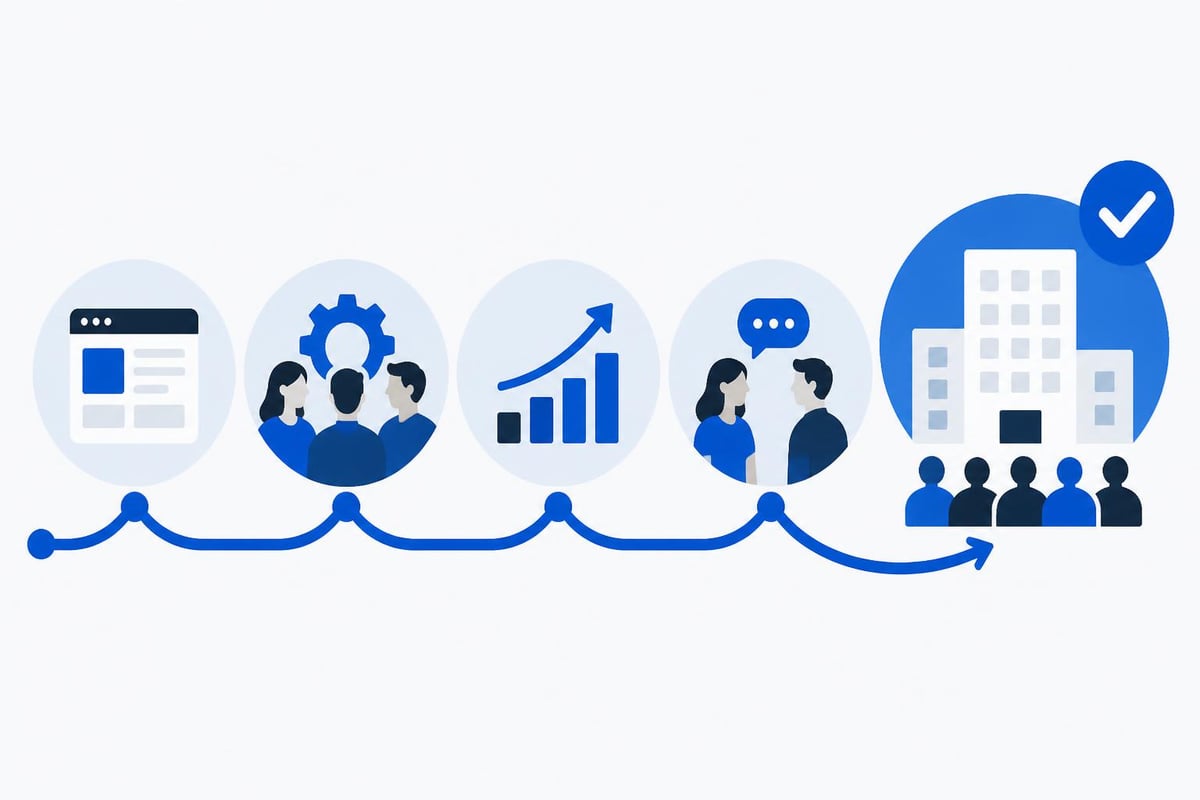
The platform must earn adoption through demonstrated value. Atlassian's research on internal developer platforms emphasizes starting with a culture of self-service rather than top-down mandates. When developers see colleagues shipping faster with less friction, adoption follows naturally.
Avoiding the "Not Invented Here" Trap
Some teams insist on building every platform component from scratch, rejecting proven open-source tools and commercial solutions. This approach dramatically extends timelines and diverts resources from higher-value work.
Evaluate build-versus-buy decisions pragmatically. Tools like Gantry, which packages service catalogs, self-service actions, and GitOps configuration into a single binary, can accelerate initial implementation. Custom-built components should address truly unique organizational requirements rather than reinventing commodity capabilities.
The Future of Developer Platforms
Looking ahead through 2026 and beyond, internal developer platforms will continue evolving in several key directions. The boundary between development environments and production systems will blur as platforms enable true progressive delivery and feature flagging at scale.
We're seeing increased emphasis on developer portals that serve as single entry points for all platform interactions. These portals don't just document available services but actively guide developers through complex workflows, suggest optimizations, and surface relevant insights at decision points.
| Trend | Description | Impact Timeline |
|---|---|---|
| AI-Assisted Development | Platforms that suggest code improvements, generate tests, and predict issues | Already emerging |
| Policy-as-Code | Security and compliance rules enforced automatically through platform guardrails | Mainstream in 2026 |
| Cross-Cloud Abstraction | Unified interfaces hiding differences between AWS, Azure, and GCP | Maturing now |
| Embedded FinOps | Real-time cost visibility and optimization integrated into development workflows | Rapid adoption |
The convergence of AI-powered development tools with internal developer platforms represents a particularly significant shift. Developers will increasingly work alongside AI assistants that understand platform capabilities and organizational standards, automatically configuring infrastructure and generating boilerplate code that follows established patterns.
Platform Ecosystems
Rather than monolithic systems, successful platforms increasingly resemble ecosystems with core capabilities supplemented by integrations and extensions. Third-party tools plug into platform APIs, and developers contribute custom resources back to shared catalogs.
This ecosystem approach mirrors how no-code development agencies work with clients. A strong foundation provides essential capabilities, while customization addresses specific business requirements. The platform enables rather than constrains innovation.
Security and Compliance Considerations
Internal developer platforms create centralized control points for enforcing security policies and compliance requirements. Rather than hoping individual developers follow best practices, the platform makes secure patterns the default and makes insecure patterns difficult or impossible.
Key security capabilities include:
- Automatic encryption of data at rest and in transit
- Network segmentation enforced through platform-managed infrastructure
- Secrets management integrated into deployment workflows
- Vulnerability scanning triggered on every code commit
- Automated compliance reporting for audit requirements
These capabilities become especially important for enterprises handling sensitive data or operating in regulated industries. The platform doesn't just enable faster development but ensures that speed doesn't compromise security posture.
Balancing Security and Developer Velocity
The challenge lies in implementing security controls without creating friction that slows development. The most effective platforms use automation to handle security concerns invisibly. Developers don't need to become security experts because the platform handles encryption, access controls, and compliance automatically based on data classification and deployment target.
When security reviews are necessary, the platform streamlines those processes too. Automated scanning identifies issues before human review. Standardized architecture patterns reduce the surface area requiring manual inspection. Security teams shift from gatekeepers to consultants helping developers navigate complex requirements.
Organizational Change Management
Technical implementation represents only half the challenge of adopting an internal developer platform. The organizational changes required often prove more difficult than the technology itself.
Building Platform Teams
Platform engineering requires a specific skill set combining infrastructure expertise, product management, and developer empathy. These teams need enough autonomy to make technical decisions quickly while remaining connected to the developers they serve.
Successful platform teams typically include:
- Infrastructure engineers with deep cloud and Kubernetes expertise
- Developer experience engineers focused on usability and onboarding
- Product managers prioritizing features based on developer needs
- Technical writers creating documentation and tutorials
- Site reliability engineers ensuring platform availability and performance
Size the team appropriately for your organization. A startup might begin with two engineers and grow to a dozen as the platform matures. An enterprise could need dedicated teams for different platform capabilities.
Driving Adoption Through Advocacy
Building the platform represents just the beginning. Driving adoption requires ongoing advocacy, education, and support. Identify early adopters who can demonstrate platform value to skeptical colleagues. Create compelling demos showing dramatic time savings for common tasks.
Invest in comprehensive onboarding for new platform users. The faster a developer can go from zero to deploying their first application, the more likely they'll embrace the platform for subsequent work. Track this time-to-first-deployment metric relentlessly and optimize the onboarding experience based on where developers struggle.
Internal developer platforms have evolved from nice-to-have productivity tools into essential infrastructure for modern software organizations. By standardizing workflows, enabling self-service, and reducing cognitive overhead, these platforms unlock development velocity that directly translates to business value. Whether you're building internal tools, customer-facing applications, or experimenting with new product ideas, the right platform foundation accelerates every aspect of the development lifecycle. Big House Technologies helps organizations leverage no-code and AI platforms to achieve similar benefits without building complex infrastructure from scratch, delivering scalable software solutions that get products to market faster while maintaining the flexibility to evolve as requirements change.

About Big House
Big House is committed to 1) developing robust internal tools for enterprises, and 2) crafting minimum viable products (MVPs) that help startups and entrepreneurs bring their visions to life.
If you'd like to explore how we can build technology for you, get in touch. We'd be excited to discuss what you have in mind.
Other Articles
Discover no code development pricing for 2026 with in depth platform comparisons expert budgeting tips and future trends to ensure smarter digital investments
Discover the top 9 UI UX and development agencies for 2026 success Compare leading firms strengths pricing and ideal clients to choose the best partner for your goals
Discover the top tools for building internal dashboards in 2026 Compare features pricing and benefits to find the perfect solution for data driven business success