
The rapid evolution of AI-powered creative tools has opened unprecedented opportunities for businesses seeking to enhance their visual content strategies without hiring dedicated design teams. Dream wombo stands out as an accessible AI art generator that transforms simple text descriptions into stunning visual artwork, making professional-grade image creation available to entrepreneurs, developers, and marketing teams. As companies increasingly embrace no-code solutions for software development, understanding how AI art generators like dream wombo fit into the broader ecosystem of business tools becomes essential for staying competitive in 2026.
Understanding Dream Wombo's Core Functionality
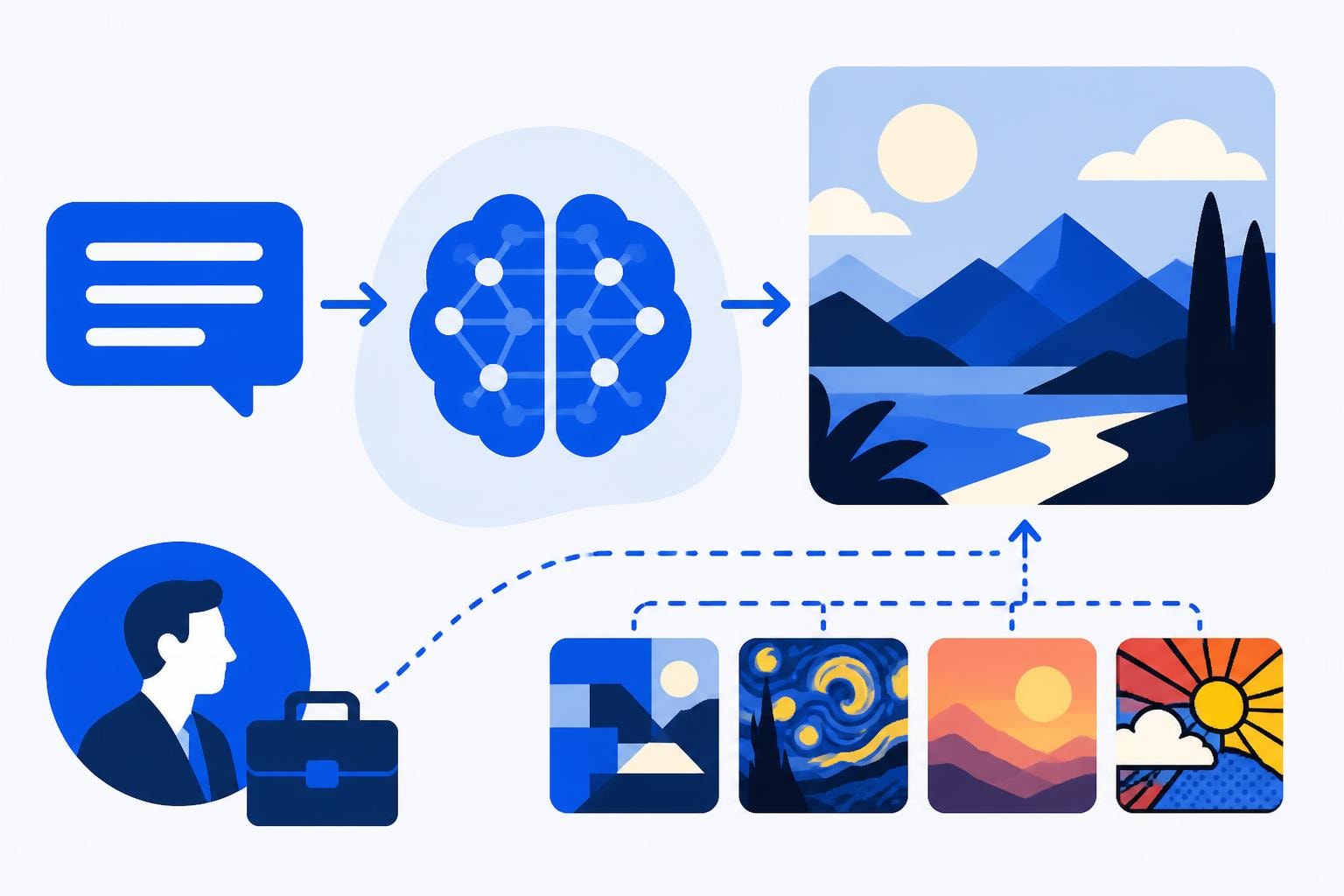
Dream wombo operates on a sophisticated text-to-image generation model that interprets natural language prompts and converts them into visual representations. The platform leverages neural networks trained on millions of images to understand artistic styles, composition principles, and visual elements.
The basic workflow includes:
- Entering a text prompt describing the desired image
- Selecting an artistic style from the available options
- Adjusting parameters like aspect ratio and detail levels
- Generating the artwork within seconds
- Downloading or sharing the final creation
What separates dream wombo from other AI art generators is its emphasis on accessibility and speed. The platform requires no technical expertise or design background, making it particularly valuable for business users who need quick visual assets. Dream by WOMBO's functionality demonstrates how intuitive interfaces can democratize creative capabilities across organizations.
Key Features That Drive Business Value
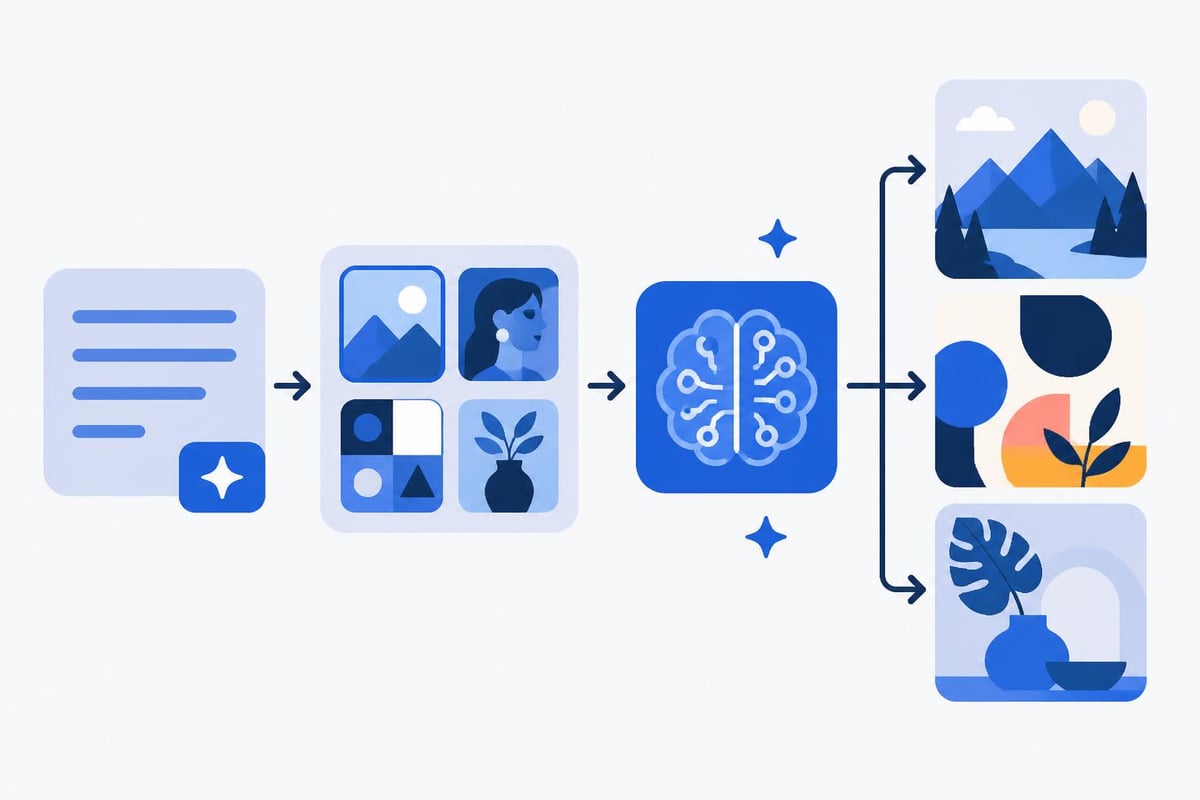
The platform offers several distinctive capabilities that extend beyond basic image generation. Premium users gain access to advanced features including higher resolution outputs, commercial usage rights, and faster generation times.
| Feature Category | Free Tier | Premium Tier |
|---|---|---|
| Image Resolution | Standard (512x512) | High (1024x1024+) |
| Daily Generations | Limited | Unlimited |
| Commercial Rights | Restricted | Full License |
| Generation Speed | Standard Queue | Priority Processing |
| Style Options | 40+ styles | 100+ styles |
The diverse artistic styles available through Dream by WOMBO range from photorealistic renders to abstract expressionism, enabling businesses to maintain consistent brand aesthetics across various marketing channels. This versatility proves especially valuable when creating visual content for social media campaigns, blog headers, or product mockups.
Integration Opportunities for No-Code Platforms
Modern businesses building applications through no-code platforms can leverage dream wombo as a powerful content generation component. The integration possibilities extend across various use cases, from dynamic marketing materials to user-generated content features.
For companies working with platforms like Bubble, incorporating AI art generation capabilities enhances application functionality without requiring extensive development resources. AI-powered no-code development tools continue transforming how businesses approach software creation, and dream wombo represents another tool in this expanding toolkit.
Practical Implementation Scenarios
E-commerce platforms can utilize dream wombo for generating product visualization mockups during the prototype phase. Instead of investing in expensive photography sessions, startups can create compelling product imagery that communicates concepts to stakeholders and early customers.
Content management systems benefit from integrating AI art generation for automatic header image creation. When blog posts or articles are published, the system can generate relevant imagery based on the content title or summary, maintaining visual consistency across the platform.
Marketing automation workflows incorporate dream wombo to produce social media graphics at scale. Teams can establish templates with variable text prompts that generate unique images for each campaign iteration, reducing design bottlenecks.
The low-cost MVP development approach aligns perfectly with dream wombo's value proposition, as both enable rapid prototyping without significant upfront investment in specialized resources.
Comparing Dream Wombo to Alternative Solutions
The AI art generation landscape has expanded considerably, with numerous platforms offering similar capabilities. Understanding where dream wombo excels helps businesses make informed decisions about which tools to incorporate into their workflows.
Competitive Analysis Framework
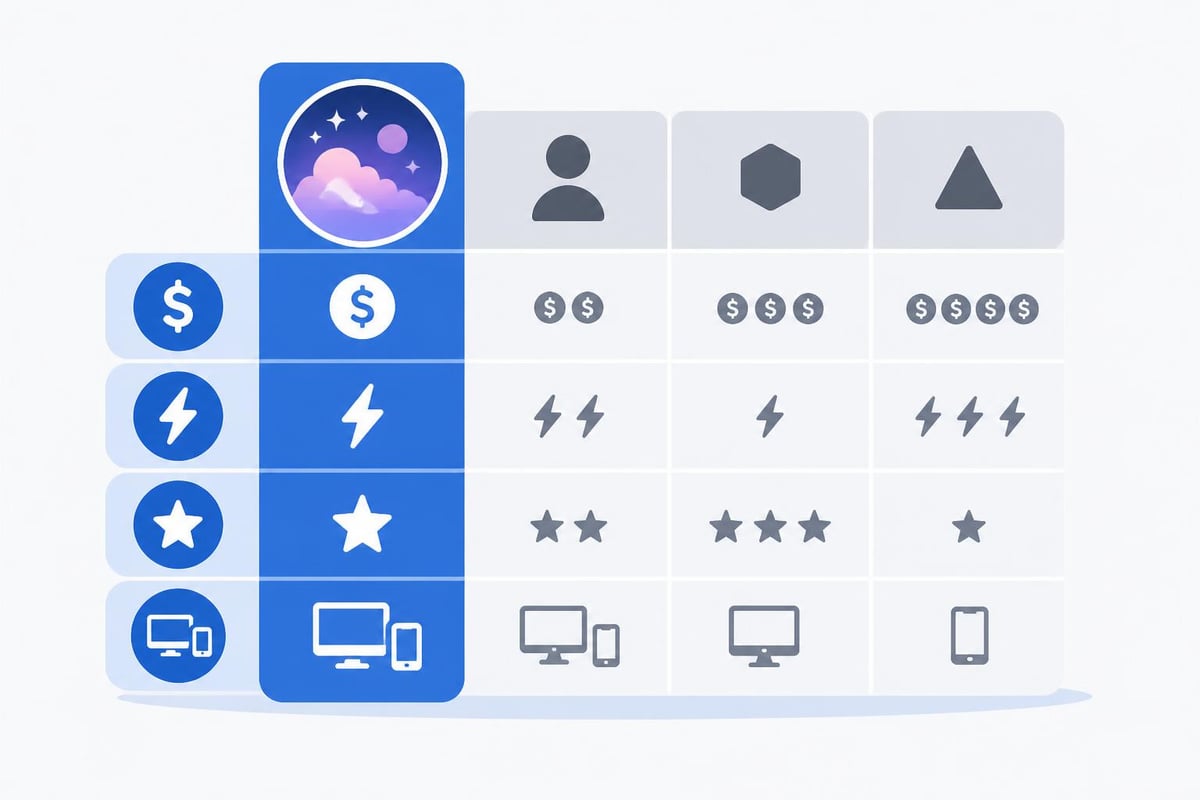
- Cost structure evaluation reveals dream wombo's freemium model provides substantial value for occasional users while offering affordable premium tiers for regular content creators
- Generation speed comparison shows dream wombo typically produces results within 10-30 seconds, competitive with industry standards
- Output quality assessment indicates the platform performs particularly well with stylized artwork rather than photorealistic rendering
- Platform availability review confirms dream wombo's presence across iOS, Android, and web interfaces maximizes accessibility
Reviews of WOMBO Dream consistently highlight its suitability for casual creators and social content makers, positioning it as an entry-level tool rather than a professional design replacement. This positioning actually strengthens its value proposition for businesses seeking quick, acceptable-quality visuals rather than pixel-perfect professional imagery.
Strategic Applications Across Business Functions
Organizations discovering dream wombo's capabilities often identify unexpected applications beyond initial marketing use cases. The technology's flexibility enables creative solutions across departments and operational workflows.
Marketing and Brand Development
Marketing teams leverage dream wombo for rapid concept visualization during brainstorming sessions. When discussing campaign themes or brand direction, team members can instantly generate visual representations of abstract ideas, accelerating decision-making processes.
Social media management particularly benefits from the platform's quick turnaround. Content calendars requiring daily unique images become manageable without exhausting design resources. The AI tools available for Instagram and other platforms complement dream wombo's capabilities, creating comprehensive solutions for social media presence.
Product Development and Prototyping
Startups building new products use dream wombo for creating conceptual imagery that communicates vision to investors and stakeholders. Before committing resources to professional design, teams can explore visual directions and gather feedback using AI-generated concepts.
The platform proves especially valuable during pitch preparation, where founders need compelling visuals on tight timelines. Combined with application development platforms for building functional prototypes, dream wombo helps teams present complete visions efficiently.
Internal Communications and Training
Training materials benefit from custom illustrations that clarify complex concepts. HR teams and department managers can generate diagrams, metaphorical imagery, or scenario illustrations that enhance learning retention without depending on design departments.
Presentation decks for internal meetings gain visual interest through AI-generated backgrounds and accent images. While maintaining professional standards, teams can create more engaging materials than generic stock photography provides.
Technical Considerations and Limitations
While dream wombo offers impressive capabilities, understanding its constraints ensures realistic expectations and appropriate use case selection. The platform operates within specific parameters that affect output quality and suitability for various applications.
Output Consistency Challenges
AI-generated artwork inherently includes randomness in the generation process. Even identical prompts can produce significantly different results across multiple generations. This variability presents challenges for businesses requiring precise brand consistency or specific visual elements.
Mitigation strategies include:
- Generating multiple variations and selecting the best match
- Using detailed, specific prompts to narrow output possibilities
- Establishing style guide parameters that accommodate AI variation
- Combining AI generation with post-processing refinement
The comprehensive analysis from AITroTools evaluates these strengths and limitations in practical business contexts, helping teams understand when dream wombo serves as the optimal solution versus when alternative approaches make more sense.
Intellectual Property Considerations
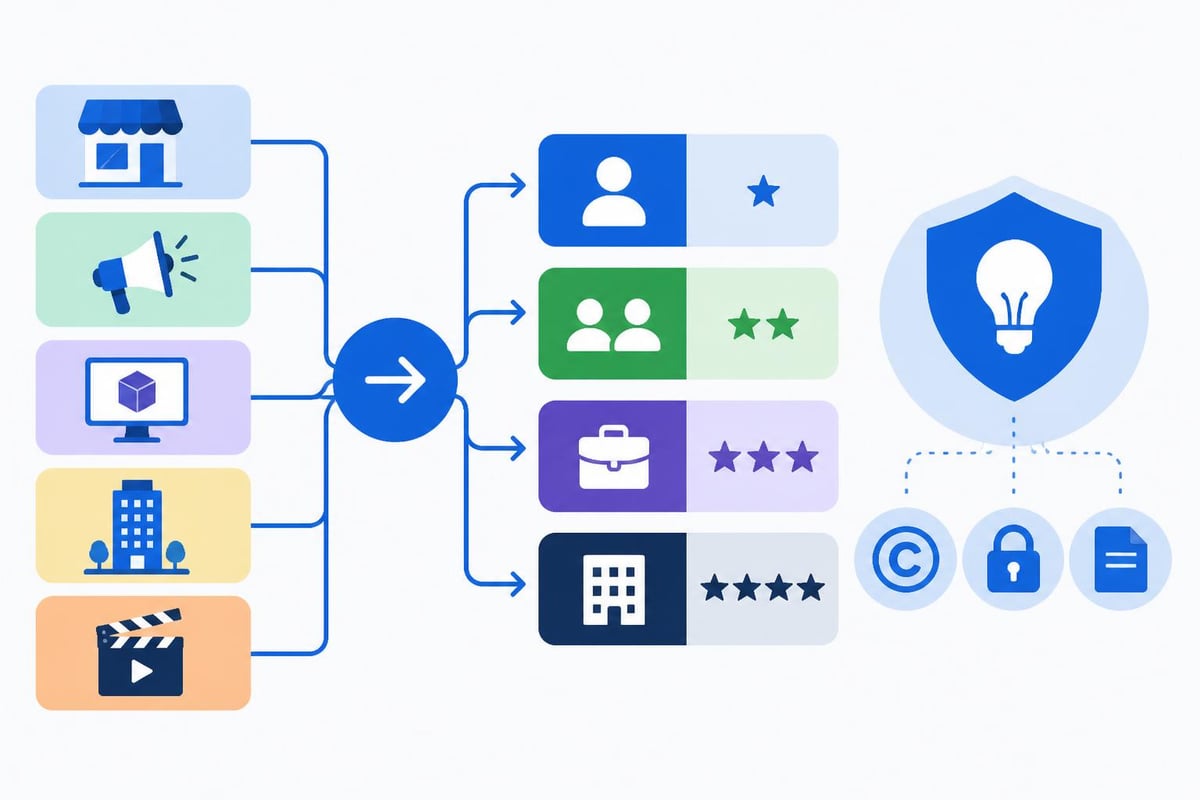
Organizations using AI-generated artwork must navigate evolving intellectual property frameworks. Dream wombo's terms of service outline usage rights, but businesses should review these carefully, especially for commercial applications.
| Usage Scenario | Free Account | Premium Account |
|---|---|---|
| Social Media Posts | Permitted with attribution | Full commercial rights |
| Marketing Materials | Limited commercial use | Unrestricted use |
| Product Packaging | Not permitted | Permitted |
| Resale as Standalone Art | Not permitted | Review terms |
| Website Graphics | Permitted with limitations | Full rights |
Professional legal review becomes important when dream wombo outputs will appear in revenue-generating contexts or when businesses plan significant campaigns around AI-generated visuals.
Optimizing Prompt Engineering for Business Results
Mastering prompt creation dramatically improves output quality and reduces iteration cycles. Businesses achieving the best results with dream wombo develop systematic approaches to crafting effective text descriptions.
Prompt Structure Best Practices
Effective prompts typically include three core components: the subject, the style modifier, and contextual details. Rather than vague descriptions, specific language produces more predictable results aligned with business needs.
Example progression:
- Basic: "office space"
- Improved: "modern minimalist office space with natural lighting"
- Optimized: "contemporary open-plan office with floor-to-ceiling windows, minimalist furniture, green plants, warm afternoon sunlight"
The specificity in the optimized version gives dream wombo clear direction while maintaining creative flexibility. This balance produces professional results without over-constraining the AI's generative capabilities.
Industry-Specific Prompt Templates
Different business sectors benefit from tailored prompt approaches. Technology companies might emphasize clean lines and futuristic elements, while hospitality businesses could focus on warmth and human connection.
- SaaS product imagery: "Clean dashboard interface floating in abstract digital space, blue and white color scheme, modern technology aesthetic"
- Professional services: "Collaborative business meeting in bright contemporary boardroom, diverse team, professional atmosphere, natural lighting"
- E-commerce products: "Lifestyle scene featuring [product] in use, aspirational setting, soft natural light, Instagram-worthy composition"
These templates provide starting points that teams can customize for specific campaigns while maintaining proven structural elements that generate quality outputs.
Measuring ROI and Business Impact
Quantifying dream wombo's value helps justify continued usage and potential expansion into premium tiers. Organizations should establish metrics aligned with their specific implementation goals.
Time Savings Calculation
Traditional design processes involve briefing designers, waiting for drafts, providing feedback, and iterating toward final versions. This cycle often requires days or weeks. Dream wombo compresses this timeline to minutes, creating measurable efficiency gains.
Calculation framework:
- Average traditional design time per image: 4-8 hours
- Dream wombo generation time: 5 minutes (including iterations)
- Time saved per image: 3.9-7.9 hours
- Cost savings (at designer hourly rate): $200-$400 per image
For businesses producing dozens or hundreds of visual assets monthly, these savings compound significantly. The app development company approaches that emphasize efficiency and cost-effectiveness align well with dream wombo's value proposition.
Quality Versus Cost Trade-offs
Not all visual assets require professional designer attention. Dream wombo excels for medium-priority content where acceptable quality delivered quickly outweighs perfect quality delivered slowly. Strategic allocation of design resources means reserving human designers for high-impact materials while using AI for supporting content.
Future Developments and Platform Evolution
The AI art generation space continues evolving rapidly, with dream wombo regularly introducing new capabilities and refinements. Understanding the trajectory helps businesses plan long-term integration strategies.
Background on Wombo's development reveals a company committed to pushing creative AI boundaries while maintaining accessibility. Recent updates have focused on improving generation consistency, expanding style options, and enhancing resolution capabilities.
Emerging Capabilities
Video generation represents the next frontier, with dream wombo exploring animated content creation. Early implementations suggest businesses might soon generate short marketing videos from text prompts, further expanding creative automation possibilities.
3D model generation experiments indicate potential applications for product visualization and virtual environment creation. These capabilities could transform how e-commerce platforms present merchandise or how real estate companies showcase properties.
API access for enterprise customers would enable direct integration with existing business systems, allowing automated content generation triggered by workflow events or customer actions.
Best Practices for Organizational Implementation
Successfully incorporating dream wombo into business operations requires thoughtful planning beyond simply signing up for an account. Strategic implementation ensures maximum value extraction and team adoption.
Establishing Usage Guidelines
Organizations benefit from documented standards covering when dream wombo is appropriate versus when traditional design resources should be engaged. Clear guidelines prevent quality inconsistencies and ensure brand standards remain intact.
Sample guideline framework:
- Internal presentations and working documents: Dream wombo encouraged
- Social media posts (non-flagship campaigns): Dream wombo with review
- Email marketing graphics: Dream wombo for testing, professional design for sends
- Website hero images: Professional design required
- Blog post headers: Dream wombo acceptable with brand overlay
These frameworks give teams autonomy while maintaining quality control where it matters most.
Training and Skill Development
While dream wombo requires no technical expertise, teams perform better with structured onboarding. Training sessions covering prompt engineering techniques, style selection strategies, and output refinement accelerate proficiency.
Creating internal repositories of successful prompts builds organizational knowledge. Teams can reference proven formulas rather than starting from scratch with each new project, improving consistency and reducing learning curves.
Integration With Broader AI Ecosystems
Dream wombo rarely operates in isolation within modern business technology stacks. Understanding how it complements other AI tools creates synergistic workflows that multiply value beyond individual platform capabilities.
The AI design and graphic tools landscape includes specialized solutions for different creative challenges. Dream wombo handles conceptual imagery while other platforms might focus on logo creation, photo enhancement, or layout design. Orchestrating these tools effectively builds comprehensive creative automation systems.
Workflow Automation Scenarios
Content production pipelines might begin with AI writing tools generating blog posts, then automatically trigger dream wombo to create header images based on article titles, and finally use layout automation to assemble everything into publishable format. This end-to-end automation dramatically reduces manual touchpoints.
Marketing campaign development could leverage dream wombo for visual concepts during brainstorming, then transition to professional tools for refinement once direction is established. This hybrid approach balances speed with quality, optimizing resource allocation across campaign phases.
Companies exploring AI software development often discover that combining multiple specialized AI tools creates more value than any single platform alone, and dream wombo fits naturally into these integrated ecosystems.
Platform Accessibility and User Experience
The success of dream wombo stems partly from its deliberate focus on user experience design. Unlike complex creative suites requiring extensive training, the platform prioritizes immediate accessibility for non-designers.
The official App Store presence showcases user ratings and reviews that consistently highlight ease of use as a primary strength. This accessibility aligns perfectly with the no-code philosophy of empowering business users to accomplish technical tasks without specialized expertise.
Cross-Platform Consistency
Dream wombo maintains functional parity across web, iOS, and Android implementations, ensuring teams can work from their preferred devices without sacrificing capabilities. This flexibility supports distributed teams and mobile-first workflows increasingly common in 2026 business environments.
Mobile optimization particularly stands out, as the platform recognizes that many users discover and experiment with creative tools during downtime on smartphones. The touch-optimized interface makes prompt entry and style selection intuitive even on smaller screens.
Dream wombo represents a powerful example of how AI-powered creative tools are democratizing capabilities once reserved for specialists, enabling businesses to produce quality visual content efficiently and cost-effectively. As organizations continue embracing no-code and AI solutions across their operations, integrating accessible tools like dream wombo into broader technology stacks creates competitive advantages through faster iteration and reduced dependency on scarce creative resources. Whether you're building an MVP, scaling an enterprise application, or simply seeking more efficient content production workflows, Big House Technologies helps businesses strategically implement no-code and AI platforms that transform ideas into fully functional products with speed and cost-efficiency that traditional development approaches cannot match.

About Big House
Big House is committed to 1) developing robust internal tools for enterprises, and 2) crafting minimum viable products (MVPs) that help startups and entrepreneurs bring their visions to life.
If you'd like to explore how we can build technology for you, get in touch. We'd be excited to discuss what you have in mind.
Other Articles
Discover how to find and hire the right programmer for your project. Learn about platforms, costs, no-code alternatives, and best practices.
Master bubble app load time optimization with expert strategies for faster apps in 2026 Diagnose issues optimize workflows and leverage the latest Bubble features
Master bubble app building in 2026 with this step by step guide covering no code creation features AI integration best practices and real world success stories.