
Imagine losing half your users before your Bubble app even loads. In 2026, instant access is no longer a luxury but an expectation. Slow load times can shatter user trust and make or break your app’s success.
This guide is your roadmap to bubble app load time optimization. We’ll share proven, actionable strategies to boost your app’s speed, elevate user satisfaction, and gain a competitive edge in today’s fast-paced market.
You’ll discover what impacts load times, how to diagnose bottlenecks, ways to streamline design and workflows, advanced optimization techniques, and the latest features Bubble offers for peak performance.
Ready to transform your app’s speed? Let’s dive in and unlock the secrets to faster, smoother Bubble experiences that keep users coming back.
Understanding Bubble App Load Time Factors
Bubble app load time optimization is more critical than ever in 2026. Users expect instant access, and even a split-second delay can mean the difference between a loyal customer and a lost opportunity. Recent web design statistics show that 53% of users abandon sites if they take over three seconds to load. The impact is clear: slow apps drive down retention, lower conversions, and hurt your brand reputation. If you want your Bubble app to stand out, speed is not optional—it’s essential.

The Importance of App Speed in 2026
In today’s digital landscape, bubble app load time optimization is at the heart of user experience. Expectations for instant access have soared. According to recent studies, more than half of users will leave a site if it takes longer than three seconds to load. For Bubble apps, every extra second increases bounce rates and reduces engagement. Quick load times are now directly tied to higher retention and improved conversion rates. If your app lags, you risk losing users to faster competitors.
Key Components Affecting Load Time
Several technical factors play a role in bubble app load time optimization. Bubble apps rely on both server-side rendering and client-side processing, which means delays can occur at multiple stages. Core components include:
- Database queries and API workflow execution
- Asset management (images, custom fonts, plugins)
- Client device processing power
Each element can add precious milliseconds to load times. Optimizing these components ensures your app remains responsive, even as user expectations climb.
Common Load Time Bottlenecks
Identifying what slows down your app is crucial for effective bubble app load time optimization. The most frequent bottlenecks include:
- Heavy workflows with complex logic that execute on page load
- Large, uncompressed images and bloated file assets
- Overuse of plugins or third-party scripts
Here’s a quick table summarizing common issues:
| Bottleneck | Impact on Load Time |
|---|---|
| Unoptimized images | Slow initial load |
| Excessive plugins | Increased JS size |
| Complex workflows | Delayed interactivity |
Addressing these areas gives you the biggest return on speed improvements.
How Bubble’s Infrastructure Has Evolved by 2026
Bubble app load time optimization has benefited from significant platform upgrades. In 2026, Bubble introduced faster servers, more advanced CDN distribution, and enhanced caching mechanisms. These improvements mean assets load from locations closer to users, reducing latency. Bubble’s latest best practices now recommend leveraging built-in asset optimization tools and reusable elements for speed. The result: apps that load faster, scale better, and deliver superior user satisfaction.
Diagnosing Load Time Issues in Your Bubble App
Understanding where your Bubble app slows down is the first step toward effective bubble app load time optimization. With so many moving pieces, pinpointing performance problems can feel overwhelming. Thankfully, a structured approach and the right tools make this process much easier.
Essential Tools and Metrics for Performance Analysis
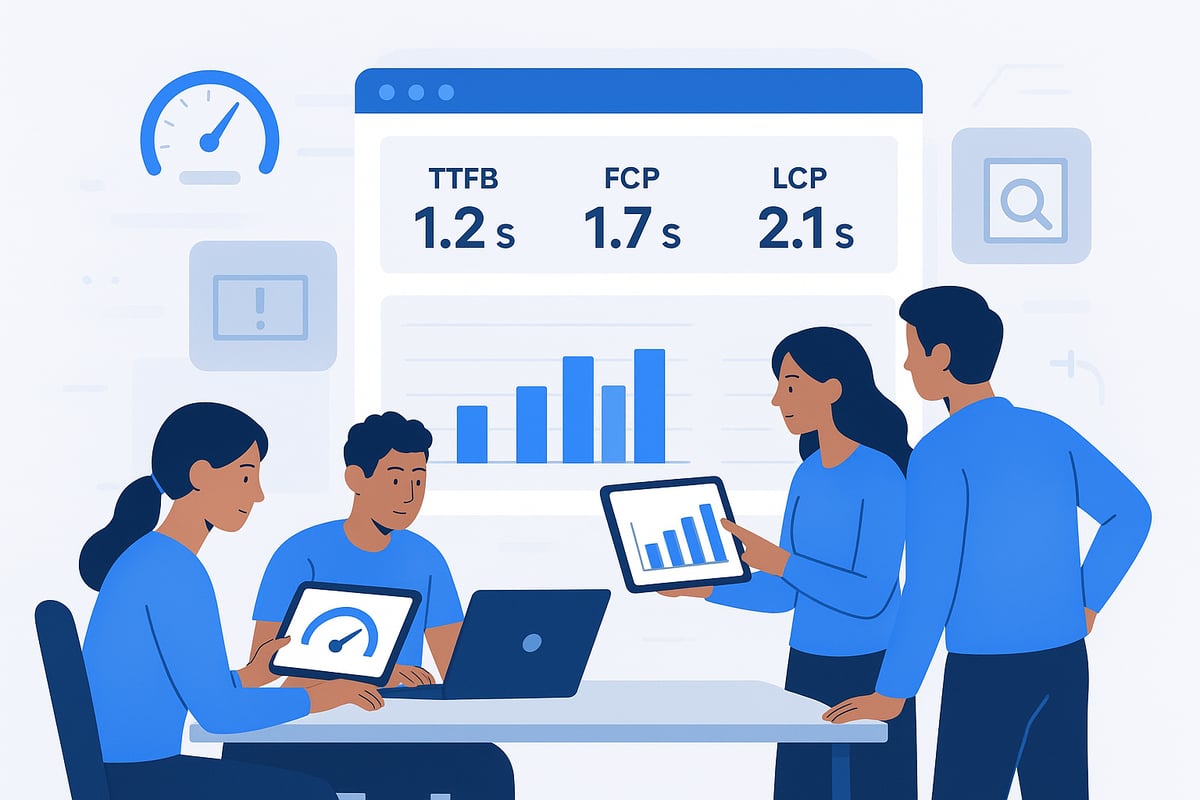
To get started with bubble app load time optimization, you need reliable tools and clear benchmarks. Bubble’s built-in performance profiler gives you a real-time look at your app’s workflow execution and resource usage. For a broader perspective, third-party tools like Google Lighthouse, GTmetrix, and WebPageTest offer advanced diagnostics and compare your app’s metrics against industry standards.
Key metrics to track include:
- Time to First Byte (TTFB): How quickly the server responds.
- First Contentful Paint (FCP): When users see the first visual element.
- Largest Contentful Paint (LCP): When the main content loads.
- Time to Interactive (TTI): When the app becomes usable.
For more details on these metrics and performance analysis, check out the Bubble Performance and Scaling Guide.
Step-by-Step Load Time Audit Process
A thorough bubble app load time optimization audit starts by mapping your key user journeys. Identify which screens load slowly and track every step users take from login to main features. Use Bubble’s profiler to analyze workflow execution times and spot delays.
- List all major app pages and workflows.
- Time each page’s load and workflow execution.
- Focus on screens with the most user traffic.
Check database query performance by reviewing search constraints and data returned. This process highlights which workflows or queries need attention for faster load times.
Interpreting Performance Reports
Once you gather data, interpreting reports is critical for bubble app load time optimization. Waterfall charts visually break down how each asset, script, and API call loads over time. Look for large files or scripts with long wait times.
- Identify slow-loading images, fonts, or scripts.
- Pinpoint bottlenecks in API calls or plugin loading.
- Review resource breakdowns to spot patterns.
Understanding these reports helps prioritize which elements to optimize first, making your efforts more targeted and effective.
Real-World Examples of Common Issues
Let’s bring bubble app load time optimization to life with real cases. Suppose your homepage features a large image gallery. Uncompressed images can drag load times from two seconds to over five seconds. In another case, inefficient search workflows may pull entire datasets instead of filtered results, causing delays.
According to 2026 benchmarks, the average Bubble app loads in about 2.4 seconds, but poorly optimized apps easily double that. Addressing these real-world issues quickly boosts both speed and user satisfaction.
Setting Load Time Goals for Your App
Setting clear goals is essential for bubble app load time optimization. Aim for sub-2-second load times, as industry research shows this delivers the best user experience. Consider your app’s complexity and set measurable targets for each major screen or workflow.
Track progress over time using performance tools. Celebrate small wins, and regularly revisit your goals as your app evolves. This approach keeps your optimization efforts focused and effective.
Optimizing Bubble App Design and Workflows
Optimizing your app’s design and workflows is the heart of bubble app load time optimization. Each design choice, workflow, and database call can either speed up or slow down your app. Let’s break down the most effective strategies you should deploy in 2026 to achieve lightning-fast load times.

Streamlining Visual Elements and UI Components
A critical pillar of bubble app load time optimization is simplifying your visual assets and UI elements. Start by minimizing the use of large images and background videos, which are notorious for slowing down page loads. Instead, opt for SVGs or modern formats like WebP and AVIF for crisp visuals with smaller file sizes.
Implement lazy loading for images in repeating groups or galleries. This ensures only images visible on the user’s screen load initially, dramatically improving perceived speed. Also, reduce the number of custom fonts and avoid unnecessary visual effects like excessive shadows or gradients.
By refining visual assets and keeping your UI lean, you’ll see a marked boost in load times and user satisfaction.
Workflow Optimization Strategies
Efficient workflows are essential for bubble app load time optimization. Break up complex, multi-step workflows into smaller, asynchronous actions. This allows your app to respond quickly to user input while handling intensive processes in the background.
Where possible, use custom states for temporary data storage instead of writing to the database with every interaction. Delay non-critical workflows, such as sending confirmation emails, until after the page has loaded.
For more actionable workflow techniques, check out these Bubble app development strategies that help you streamline and future-proof your app’s performance.
Database Structure and Query Efficiency
A well-structured database is foundational for bubble app load time optimization. Organize your data to minimize lookups and avoid unnecessary joins. Use Bubble’s privacy rules and search constraints to limit the amount of data returned during queries.
Cache frequently requested data, especially for dashboards or lists that don’t change often. Optimize your searches by indexing key fields and using "Do a search for" only when absolutely necessary.
Regularly audit your database to remove obsolete fields and entries, keeping queries lightning fast and your app responsive.
Reducing Plugin and Third-Party Script Overhead
Excessive plugins and third-party scripts can undermine bubble app load time optimization. Begin with an audit: remove any plugins you no longer use, and seek out lightweight, well-maintained alternatives for essential features.
When integrating third-party scripts, always load them asynchronously so they don’t block the main content from rendering. Avoid scripts that make unnecessary API calls or load heavy libraries.
By keeping your plugin and script footprint minimal, you reduce load times and simplify future maintenance.
Leveraging Bubble’s Built-in Performance Features
Take full advantage of Bubble’s latest performance tools for bubble app load time optimization. In 2026, Bubble offers enhanced caching, asset optimization, and reusable element management.
Utilize the new caching mechanisms to store static content closer to your users. Optimize reusable elements and templates to avoid redundant rendering. Use Bubble’s built-in image and asset optimization tools to compress files automatically.
Staying current with Bubble’s built-in features ensures your app always leverages the platform’s best speed practices.
Responsive Design and Mobile Load Time
Responsive design is a cornerstone of bubble app load time optimization, especially as mobile usage continues to rise. Make sure your layouts are mobile-friendly and avoid loading unnecessary elements on smaller screens.
Minimize conditional formatting and logic that can slow down mobile rendering. Test your app on various devices and screen sizes to catch any performance hiccups early.
A seamless mobile experience not only boosts speed but also increases engagement and retention rates.
Example Redesign: Before and After Optimization
Let’s illustrate bubble app load time optimization with a real-world example. Before optimization, a dashboard page loaded in 5 seconds due to uncompressed images, complex workflows, and multiple plugins.
After streamlining visuals, breaking workflows into async tasks, and removing redundant plugins, load time dropped to under 2 seconds. User engagement jumped by 30 percent, and bounce rates fell sharply.
This transformation demonstrates how targeted optimizations can deliver dramatic improvements in both speed and user satisfaction.
Advanced Load Time Optimization Techniques for 2026
Staying ahead in bubble app load time optimization requires leveraging advanced strategies that tap into the latest infrastructure and development best practices. In 2026, the landscape is more competitive, and users expect instant, responsive experiences. Let's dive into the most effective techniques to ensure your Bubble app stands out for speed and reliability.
Implementing Server-Side Optimization
Server-side optimization is foundational for bubble app load time optimization. In 2026, Bubble's backend workflows have evolved to support more robust, asynchronous processing. Offload heavy computations to server-side actions instead of handling them directly in the user's browser. For instance, schedule background tasks for non-essential processes like data aggregation or report generation. This reduces client-side load and delivers a smoother experience.
When building workflows, split large, complex processes into smaller chunks. This approach prevents bottlenecks and keeps screens interactive. Always prioritize user-facing tasks in initial page loads, and delay secondary actions until after the interface is responsive.
Efficient Use of APIs and External Data
APIs are the backbone of many modern apps, but inefficient API usage can severely impact bubble app load time optimization. Caching API responses is crucial. By storing frequently requested data locally or in Bubble's built-in cache, you minimize repeated external calls and reduce wait times.
Batch processing is another key tactic. Instead of making multiple API calls for each user action, group requests whenever possible. Modern API standards like GraphQL allow developers to fetch only the necessary data, which streamlines performance. For more insights on optimizing enterprise-grade workflows, explore these no-code performance strategies for enterprises.
Asset Management and CDN Utilization
Your app’s images, fonts, and scripts can make or break bubble app load time optimization. Bubble’s 2026 CDN ensures static assets are delivered quickly across the globe. Always compress images and use next-gen formats like WebP or AVIF. Version assets to ensure users receive the latest files without unnecessary reloads.
Preload critical resources like CSS and primary JavaScript to improve first contentful paint. For a deeper dive into practical techniques like image compression and lazy loading, check out these Bubble Performance Optimization Tips.
| Asset Type | Optimization Method | Impact |
|---|---|---|
| Images | Compress, WebP/AVIF | Faster loads |
| Fonts | Subset, preload | Improved rendering |
| Scripts | Minify, async load | Reduce blocking |
Progressive Loading and User Perception
Progressive loading is a game-changer for bubble app load time optimization. Implement skeleton screens or animated loaders to provide instant visual feedback, even while data is still loading in the background. Prioritize above-the-fold content so users see something meaningful right away.
Bubble’s 2026 progressive rendering features let you load critical UI elements first, then fetch secondary content as users interact. This approach not only speeds up perceived load time but also improves overall satisfaction.
Monitoring and Automated Performance Alerts
Continuous monitoring is essential for maintaining bubble app load time optimization. Set up real-time tools to track load time spikes and workflow delays. Bubble's enhanced performance dashboard now supports automated alerts, notifying your team if a workflow or asset slows down unexpectedly.
Integrate with external platforms like Datadog to get comprehensive visibility into app health. This proactive stance means you can address issues before they impact users, keeping your app consistently fast.
Security and Performance Trade-Offs
Balancing security and performance is a delicate part of bubble app load time optimization. While robust privacy rules and encryption are vital, they can introduce latency. Only apply heavy encryption to sensitive data, and streamline login workflows to avoid unnecessary steps.
For example, limit the number of conditional checks during authentication, and cache non-sensitive user preferences to minimize repeated database queries. Always test the impact of new security features on load time to maintain an optimal balance between safety and speed.
Leveraging the Latest Bubble Features and Best Practices
Staying ahead in bubble app load time optimization means leveraging every new feature Bubble releases. In 2026, performance tools have evolved to give developers real-time insights and actionable suggestions. The latest Bubble performance dashboard provides live analytics, highlighting slow workflows and heavy assets as soon as they occur.
Developers can now enable optimization suggestions directly from the dashboard, making it easier to spot and fix bottlenecks. With advanced filtering, you can focus on metrics that matter most for bubble app load time optimization, like Time to First Byte or Largest Contentful Paint. Adopting these tools is essential for delivering lightning-fast user experiences.
Best Practices from Top Bubble Developers
Leading developers in the Bubble community consistently share tips that push bubble app load time optimization further. Breaking down complex workflows, using lightweight plugins, and optimizing database structure are common themes. Experts recommend leveraging reusable elements and templates to streamline app builds.
A great resource is the Scaling with Bubble.io Best Practices guide, which dives deep into database structuring and the use of reusable elements for performance. Many successful apps in 2026 now achieve sub-1.5 second load times by rigorously applying these best practices.
Staying Updated with Bubble’s Roadmap
Bubble frequently rolls out new features that impact bubble app load time optimization. Staying current is crucial. Join Bubble’s webinars and forums, where developers discuss the latest roadmap updates and performance releases.
Subscribing to release notes and changelogs helps you catch critical changes early. To further enhance your workflow, explore AI tools for Bubble developers that automate diagnostics and suggest optimizations. Engaging with the active Bubble community keeps your knowledge fresh and your app at peak performance.
Big House Technologies: Expert Bubble App Optimization Partner
When you need expert help with bubble app load time optimization, Big House Technologies stands out as a trusted partner. Their team specializes in no-code and AI-driven app development, with a proven track record in speed and scalability.
Clients have seen up to 5x faster app launches and significant cost savings after partnering with Big House Technologies. Their services include end-to-end optimization, UI/UX design, and advanced workflow tuning for Bubble apps. Reach out to their experts for tailored performance consulting and seamless implementation support.
After exploring all the ways you can fine tune your Bubble app’s speed for 2026, you might be wondering what your next step should be. Whether you’re building your first MVP or optimizing for scale, getting a second set of expert eyes can make all the difference. If you want to make sure your app is set up for fast load times and future growth, why not connect with a team that’s done it for founders like you? Take a look at what’s possible—check out real success stories and inspiration here:
See What We’ve Built for Founders Like You

About Big House
Big House is committed to 1) developing robust internal tools for enterprises, and 2) crafting minimum viable products (MVPs) that help startups and entrepreneurs bring their visions to life.
If you'd like to explore how we can build technology for you, get in touch. We'd be excited to discuss what you have in mind.
Other Articles
Discover the 12 best low code platforms for 2025. Compare features, pricing, and use cases to find the right solution for your business needs and boost agility.
Master app bubble in 2025 with our expert guide Learn to build no code apps monetize with advanced features and launch successfully for real results
Discover the essentials of platform in software development for 2025. Learn key types, lifecycles, trends, and best practices to maximize value and innovation.