
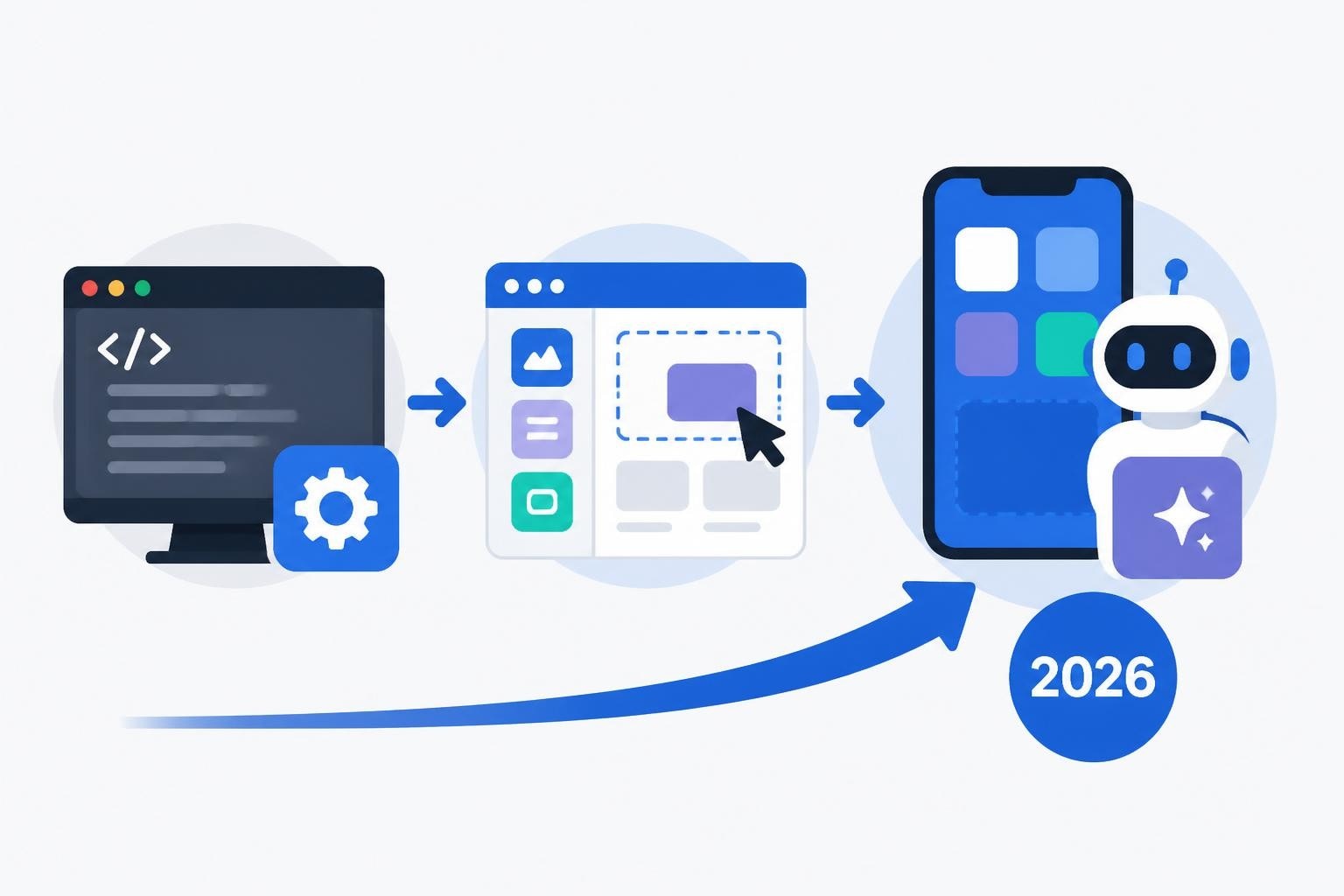
The landscape of software for app development has transformed dramatically in 2026, with businesses now having access to tools that eliminate traditional coding barriers while maintaining enterprise-grade quality. Whether you're a startup founder validating a market hypothesis or an enterprise leader seeking to modernize internal systems, understanding the full spectrum of available development software is crucial for making informed technology decisions. This comprehensive guide explores the platforms, methodologies, and considerations that define modern application development.
Understanding Modern App Development Software Categories
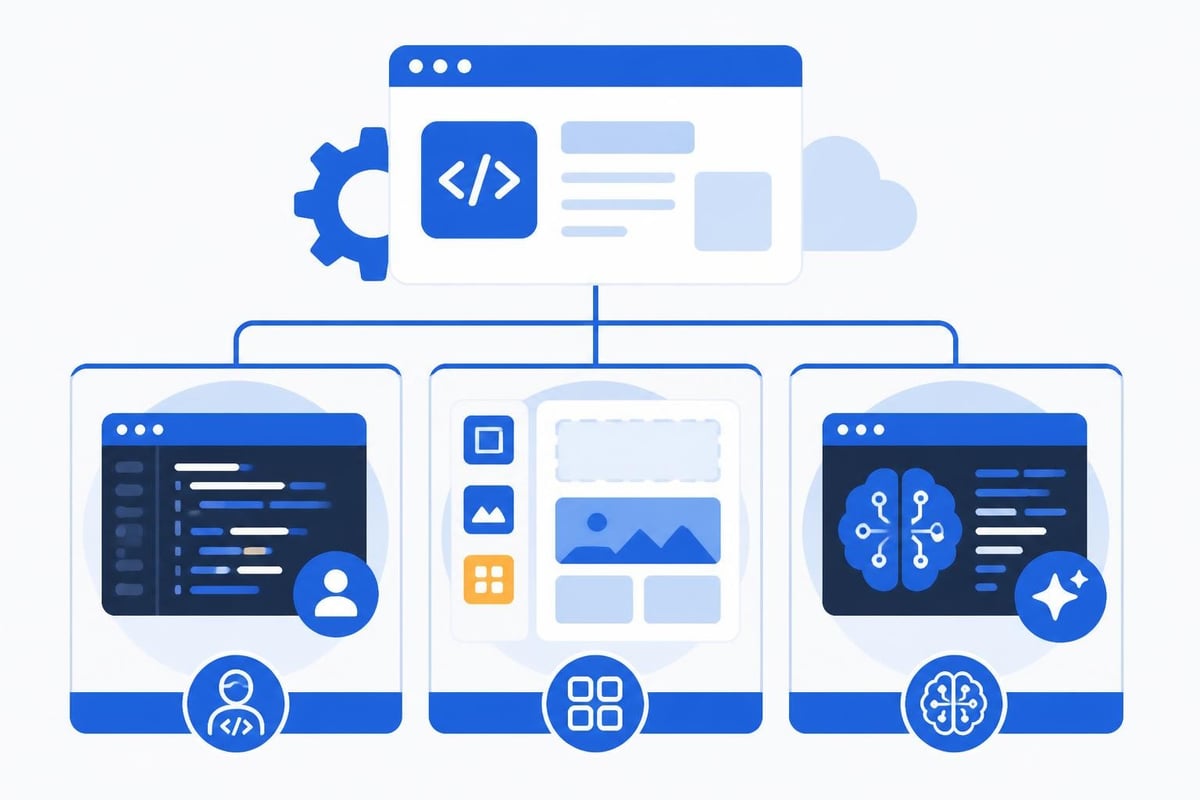
The software for app market has evolved into distinct categories, each serving specific use cases and developer skill levels. Traditional integrated development environments (IDEs) like Visual Studio and Xcode continue to dominate among professional developers, but the emergence of no-code and AI-powered platforms has democratized access to software creation.
Traditional development software remains essential for complex, custom applications requiring deep system integration. These tools offer complete control over every aspect of the codebase but demand significant technical expertise and longer development timelines.
No-code platforms have revolutionized how businesses approach software creation, enabling teams to build functional applications without writing code. These platforms use visual interfaces, pre-built components, and workflow automation to accelerate development while reducing costs.
AI-powered development tools represent the cutting edge of 2026's technology landscape. Recent innovations in AI-powered development platforms like Vercel v0 and Replit's Agent 3 are transforming how developers approach application creation through natural language prompts and intelligent code generation.
Key Features to Evaluate in Development Software
When selecting software for app projects, businesses must assess multiple dimensions beyond basic functionality:
- Scalability potential that supports growth from prototype to production
- Integration capabilities with existing systems and third-party services
- Deployment flexibility across web, mobile, and desktop platforms
- Collaboration features enabling team coordination and version control
- Security standards meeting industry compliance requirements
- Cost structure aligning with project budgets and long-term maintenance
The right platform balances immediate development needs with future expansion possibilities, ensuring your technology investment remains viable as requirements evolve.
No-Code Platforms Leading the Software for App Revolution
No-code development has matured into a legitimate enterprise solution, with platforms like Bubble and Webflow powering applications for millions of users worldwide. These tools enable rapid prototyping and production deployment without sacrificing performance or security.
Bubble stands out as a comprehensive no-code platform combining visual programming with powerful backend capabilities. The platform supports complex data structures, API integrations, and responsive design while maintaining the speed advantages of no-code development. Organizations leveraging Bubble for MVP development consistently report 60-80% cost reductions compared to traditional development approaches.
Comparing Leading No-Code Solutions
| Platform | Best For | Learning Curve | Price Range |
|---|---|---|---|
| Bubble | Complex web apps | Moderate | $29-$529/mo |
| Webflow | Marketing sites | Low-Moderate | $14-$212/mo |
| Adalo | Mobile-first apps | Low | $36-$200/mo |
| Glide | Data-driven apps | Very Low | $25-$249/mo |
The platform selection process should prioritize your specific use case rather than feature checklists. A marketing-focused project benefits from Webflow's design capabilities, while enterprise internal tool development often requires Bubble's robust database and workflow features.
Mobile app development presents unique considerations when choosing software for app creation. Leading mobile app development software options in 2026 include both native platforms like Swift Playgrounds and cross-platform solutions like Flutter Flow that enable simultaneous iOS and Android deployment.
AI-Enhanced Development Tools Transforming Application Creation
Artificial intelligence has fundamentally changed how developers interact with software for app building, introducing capabilities that were science fiction just five years ago. Modern AI tools don't just autocomplete code-they generate entire features, debug complex issues, and optimize performance based on natural language descriptions.
Research from 2026 demonstrates that AI systems capable of generating full-stack applications from natural language prompts have achieved remarkable accuracy when evaluated against human-centered benchmarks. Platforms like Replit, Bolt, and Firebase Studio can now translate business requirements directly into functional code.
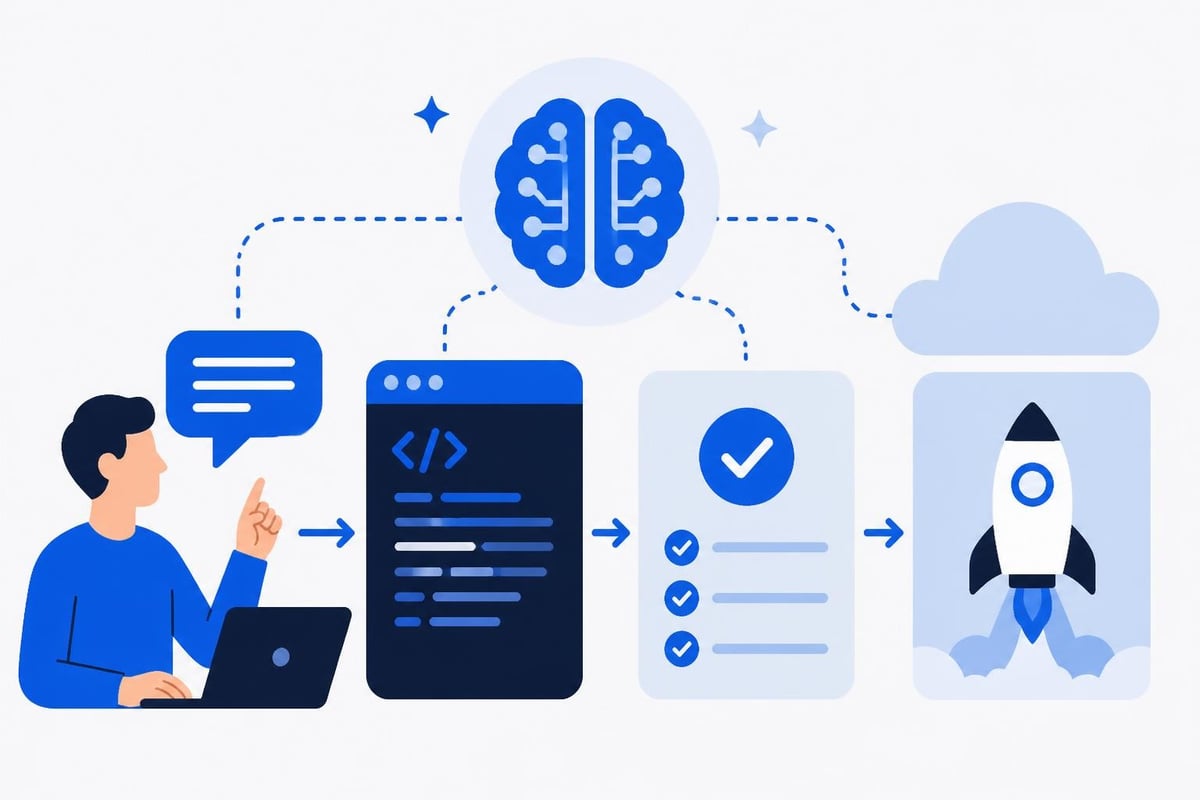
The integration of AI into traditional development workflows has created hybrid approaches combining human creativity with machine efficiency. Developers describe requirements in plain English, receive generated code suggestions, then refine and customize the output to match specific needs.
Practical Applications of AI in Development Software
- Automated code generation from feature descriptions and user stories
- Intelligent debugging that identifies root causes and suggests fixes
- Performance optimization analyzing bottlenecks and recommending improvements
- Design-to-code conversion transforming mockups into functional interfaces
- Natural language database queries eliminating the need for SQL expertise
These capabilities significantly reduce the time between concept and deployment, making software for app development more accessible to non-technical stakeholders while enhancing productivity for experienced developers.
Choosing Between Low-Code, No-Code, and Traditional Development
The decision between development approaches fundamentally impacts project timelines, budgets, and long-term maintenance requirements. Understanding when each approach excels helps organizations make strategic technology choices aligned with business objectives.
Traditional coded development remains optimal for applications requiring:
- Proprietary algorithms or unique computational logic
- Direct hardware integration or system-level access
- Extreme performance optimization for millions of users
- Custom security implementations beyond standard frameworks
No-code platforms excel when projects prioritize:
- Rapid market validation and iterative testing
- Limited technical resources or budget constraints
- Standard business workflows and data operations
- Quick adaptation to changing requirements
Low-code solutions bridge both worlds, offering visual development with code extension capabilities for specialized features. This hybrid approach suits teams with mixed technical capabilities or projects requiring both speed and customization.
Budget Considerations for Development Software
| Approach | Initial Cost | Time to Market | Maintenance Cost | Flexibility |
|---|---|---|---|---|
| Traditional | High | 3-9 months | High | Maximum |
| Low-Code | Medium | 1-4 months | Medium | High |
| No-Code | Low | 1-6 weeks | Low | Moderate |
| AI-Enhanced | Low-Medium | 2-8 weeks | Low-Medium | High |
Organizations exploring low-cost MVP development tools find that software for app creation costs vary dramatically based on complexity, required integrations, and expected user volumes. The total cost of ownership extends beyond initial development to include hosting, maintenance, and feature enhancements.
Design Integration and User Experience Software
Modern software for app development increasingly integrates design tools directly into the development workflow, eliminating the traditional handoff between designers and developers. Leading web design software like Figma and Adobe XD now include collaboration features enabling real-time feedback and design system management.
The design-to-development pipeline has compressed significantly, with tools automatically converting visual designs into responsive code. This integration reduces interpretation errors and accelerates the journey from concept to functional prototype.
Design systems have become central to scalable app development, providing reusable components, style guidelines, and interaction patterns that ensure consistency across complex applications. Platforms like Bubble support custom design systems while maintaining the rapid development advantages of no-code tools.
Adobe's ecosystem offers specialized tools for different aspects of application design, from Adobe Photoshop for interface mockups to Adobe XD for interactive prototypes. However, many modern development platforms include integrated design capabilities that eliminate the need for separate design software.
Testing and Quality Assurance Software for Applications
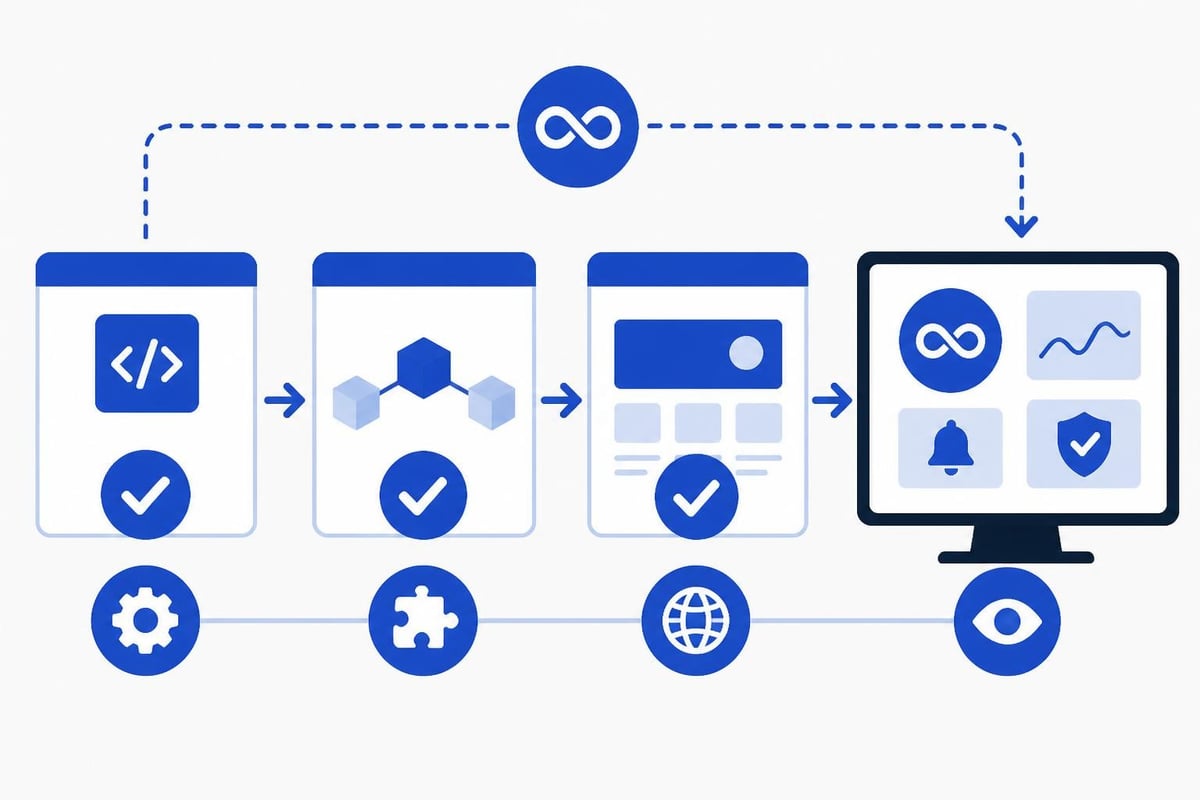
Quality assurance represents a critical phase in software for app development, requiring tools that validate functionality, performance, and security before public release. The testing landscape has evolved from manual processes to automated frameworks that continuously monitor application health.
Automated testing frameworks have become standard practice in professional development workflows:
- Unit testing validates individual components function correctly
- Integration testing ensures systems communicate properly
- End-to-end testing simulates real user workflows
- Performance testing identifies bottlenecks under load
- Security testing detects vulnerabilities before exploitation
Mobile applications require specialized testing approaches given the fragmentation of devices, operating systems, and screen sizes. Appium provides open-source automation for testing native, mobile-web, and hybrid applications across Android and iOS platforms, ensuring consistent functionality regardless of user environment.
Quality Benchmarks for AI-Generated Applications
Recent research has established benchmarks for evaluating software for app development created through AI tools. UI-Bench evaluates design capabilities of AI text-to-app platforms, comparing visual excellence across various systems through expert analysis and standardized criteria.
These benchmarks reveal that while AI tools excel at generating functional code, human oversight remains essential for ensuring optimal user experience, accessibility compliance, and brand consistency. The most successful projects combine AI efficiency with human creativity and judgment.
Platform-Specific Development Considerations
Different target platforms require specialized software for app creation, with each ecosystem maintaining unique development requirements, guidelines, and distribution channels. Understanding platform-specific considerations ensures applications meet approval standards and deliver optimal user experiences.
iOS development traditionally required Xcode and Swift knowledge, but cross-platform tools now enable iOS deployment without mastering Apple's native frameworks. However, applications targeting the App Store must comply with strict design guidelines and review processes that influence technology choices.
Android development offers greater flexibility in both development approaches and distribution channels. The platform supports various programming languages, development environments, and alternative app stores beyond Google Play, providing developers with more deployment options.
Windows application development has been simplified through Microsoft's new developer tools like the Windows App Development CLI, making it easier to bring apps to Windows 11, particularly for developers using cross-platform frameworks.
Cross-Platform Development Advantages
Cross-platform frameworks enable simultaneous deployment to multiple operating systems from a single codebase, dramatically reducing development time and maintenance complexity. Software for app creation like React Native, Flutter, and Progressive Web Apps (PWAs) deliver near-native performance while maintaining code reusability.
The trade-off involves slightly reduced access to platform-specific features and potential performance limitations for graphics-intensive applications. For most business applications, these limitations are negligible compared to the development efficiency gains.
Enterprise-Scale Software for App Development
Enterprise application development demands software for app creation that addresses unique challenges around security, compliance, scalability, and integration with legacy systems. The stakes are higher, with failed projects potentially impacting thousands of employees or customers.
Enterprise development platforms prioritize:
- Role-based access control and audit logging
- Compliance with industry regulations (HIPAA, SOC 2, GDPR)
- Single sign-on integration with existing identity systems
- Scalability to support thousands of concurrent users
- Disaster recovery and business continuity capabilities
Organizations evaluating software for app development at enterprise scale often require proof of concept projects to validate platform capabilities before committing to full deployment. Working with experienced agencies helps enterprises navigate platform selection, architecture design, and implementation best practices.
The complexity of enterprise requirements doesn't necessarily demand traditional coding approaches. Modern no-code platforms increasingly support enterprise needs while maintaining the speed and cost advantages that attracted businesses to these tools initially. Bubble consultant services for enterprises help large organizations leverage no-code capabilities while ensuring solutions meet strict corporate standards.
Emerging Trends in Application Development Software
The software for app development landscape continues evolving rapidly, with several trends shaping how businesses will build applications through 2026 and beyond. Staying informed about these trends helps organizations make future-proof technology investments.
AI-native development represents the most significant shift, with platforms designed from the ground up to leverage artificial intelligence rather than retrofitting AI capabilities into existing tools. Research examining GPT model readiness for software development through benchmarks like APPFORGE demonstrates that language models can now construct entire software systems from natural language specifications.
Component marketplaces have emerged as valuable resources, offering pre-built functionality that developers can integrate into applications without building from scratch. These marketplaces accelerate development while ensuring code quality through community vetting and regular updates.
Edge computing integration enables applications to process data closer to users, reducing latency and improving performance for real-time applications. Modern development platforms increasingly include edge deployment options alongside traditional cloud hosting.
Privacy and Security Evolution
Data privacy concerns have driven significant changes in software for app development, with platforms implementing privacy-first architectures that minimize data collection, encrypt information at rest and in transit, and provide transparent user controls over personal information.
Comparative studies of app versions reveal security considerations when choosing between full and lite versions, highlighting potential risks that developers must address during the design phase rather than after deployment.
Integration Capabilities and API Management
Modern applications rarely function in isolation, requiring seamless integration with payment processors, communication platforms, analytics services, and countless other third-party tools. Software for app development must support robust API integration capabilities to enable these connections.
API-first development has become standard practice, with applications designed around clearly defined interfaces that facilitate integration with other systems. This approach ensures flexibility as business needs evolve and new services become available.
Development platforms vary significantly in their integration capabilities:
- Native integrations offer pre-configured connections to popular services
- REST API support enables custom integrations with any web service
- GraphQL capabilities provide efficient data querying for complex applications
- Webhook functionality allows real-time event-driven integrations
- Authentication protocols support OAuth, SAML, and other security standards
The depth and quality of integration capabilities often determine whether a platform can support real-world business requirements beyond simple proof-of-concept applications.
Cost Analysis and ROI for Development Software
Understanding the true cost of software for app development requires analyzing multiple factors beyond subscription fees or licensing costs. The total cost of ownership includes development time, ongoing maintenance, hosting expenses, and the opportunity cost of delayed market entry.
Direct costs include platform subscriptions, developer salaries or agency fees, hosting infrastructure, and third-party service integrations. These expenses are relatively straightforward to calculate and budget.
Indirect costs prove more challenging to quantify but significantly impact ROI:
- Time to market delays that allow competitors to establish market position
- Technical debt requiring future refactoring or platform migrations
- Team training needed to become proficient with new development tools
- Opportunity costs from resource allocation to development versus other priorities
Organizations comparing software for app options should calculate total cost scenarios across 12-24 month periods, accounting for both initial development and ongoing operations. Low-cost MVP development approaches often deliver better ROI than fully-featured initial releases, enabling faster market validation and iterative refinement based on user feedback.
Making Your Final Software for App Selection
Choosing the right software for app development ultimately depends on aligning platform capabilities with specific project requirements, team capabilities, and business objectives. No single platform excels across all use cases, making thoughtful evaluation essential.
Decision factors to prioritize:
- Technical requirements including data complexity, user volume, and performance needs
- Team capabilities and willingness to learn new development approaches
- Budget constraints for both initial development and ongoing operations
- Timeline urgency balancing speed to market with feature completeness
- Future scalability ensuring the platform grows with business needs
- Vendor stability evaluating platform longevity and community support
The most successful projects often involve prototyping with multiple platforms before committing to full development, allowing teams to evaluate real-world usability rather than relying solely on marketing materials and feature lists.
Consider starting with a limited scope proof of concept that tests critical functionality, integration requirements, and development workflow efficiency. This approach minimizes risk while providing concrete evidence for making informed platform decisions.
Selecting the right software for app development in 2026 requires balancing technical capabilities, team resources, and business objectives while staying informed about rapidly evolving platform options. Whether you choose traditional coding, no-code platforms, or AI-enhanced tools depends on your specific project requirements and organizational context. Big House Technologies specializes in helping enterprises and startups navigate these decisions, leveraging Bubble's no-code platform and Lovable's AI capabilities to deliver scalable solutions that transform ideas into functional products efficiently and cost-effectively. Our comprehensive approach from scoping through testing ensures your application meets quality standards while respecting timeline and budget constraints.

About Big House
Big House is committed to 1) developing robust internal tools for enterprises, and 2) crafting minimum viable products (MVPs) that help startups and entrepreneurs bring their visions to life.
If you'd like to explore how we can build technology for you, get in touch. We'd be excited to discuss what you have in mind.
Other Articles
Discover how software and platforms work together to power modern business solutions. Learn platform types, benefits, and strategic selection.
Discover how to develops software in 2025 with expert insights on planning, tech stacks, AI, no-code, testing, deployment, and future-proof strategies for success.
Hire mobile application developers with confidence in 2025 using this step by step guide covering trends, skills, sourcing strategies and proven hiring practices.