
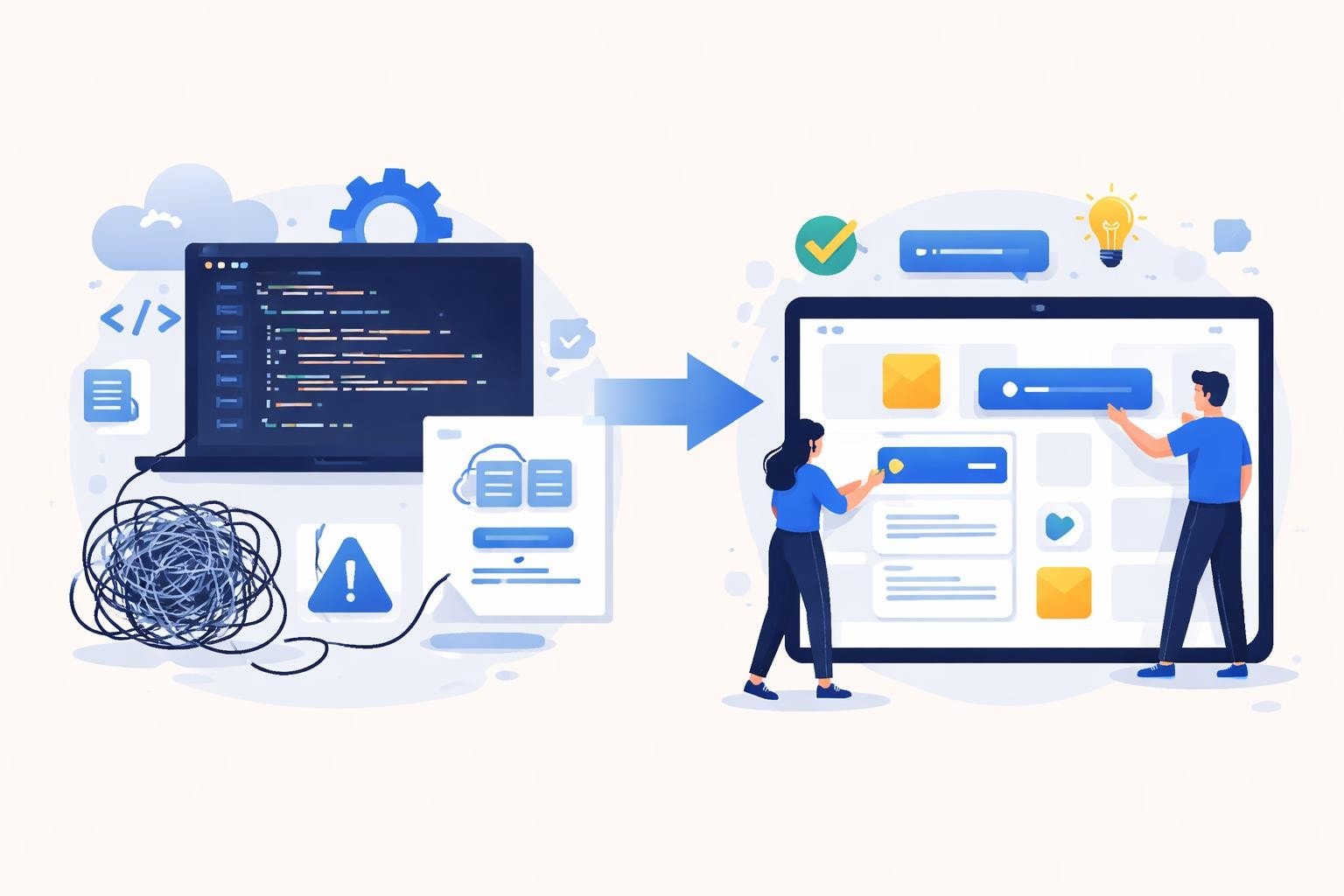
The software development landscape has undergone a dramatic transformation over the past few years, with low code no code platforms emerging as powerful alternatives to traditional coding approaches. These platforms enable businesses to build sophisticated applications without requiring extensive programming expertise, democratizing software creation and accelerating digital transformation initiatives. As enterprises and startups alike face mounting pressure to innovate quickly while managing tight budgets, understanding the capabilities and strategic advantages of these platforms has become essential for staying competitive in 2026.
What Are Low Code No Code Platforms
Low code platforms provide visual development environments where users create applications through drag-and-drop interfaces and pre-built components, requiring minimal hand-coding for customization and integration. No-code platforms take this concept further by eliminating coding requirements entirely, enabling business users to build functional applications using only visual tools and configuration options.
Both approaches share a common goal: reducing the technical barrier to software development. According to research on low-code programming models, these platforms empower individuals without formal programming training to create computer programs, significantly reducing dependence on professional developers. This democratization of development capabilities represents a fundamental shift in how organizations approach software creation.
Key Characteristics of Modern Platforms
The distinction between low code and no code platforms has become increasingly nuanced in 2026. Many platforms now offer tiered functionality that adapts to user expertise levels.
Essential features include:
- Visual development interfaces with drag-and-drop functionality
- Pre-built templates and component libraries
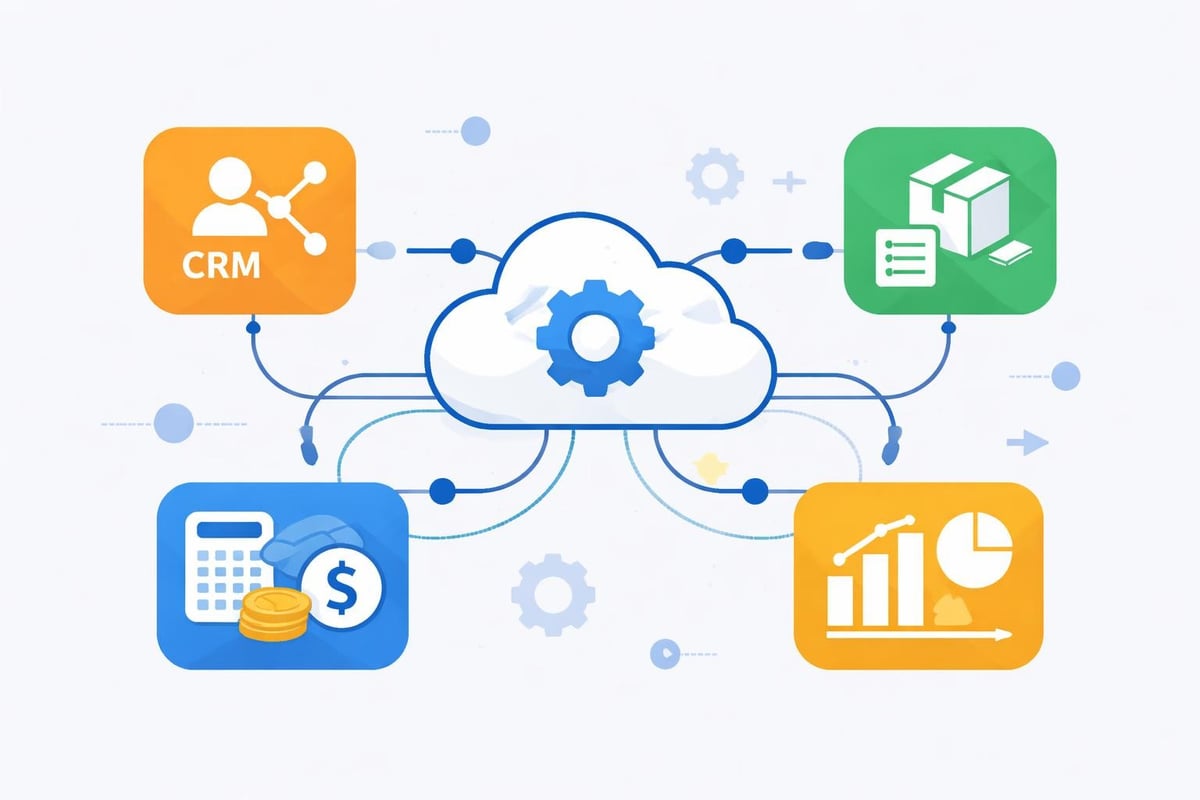
- Integration capabilities with existing systems and APIs
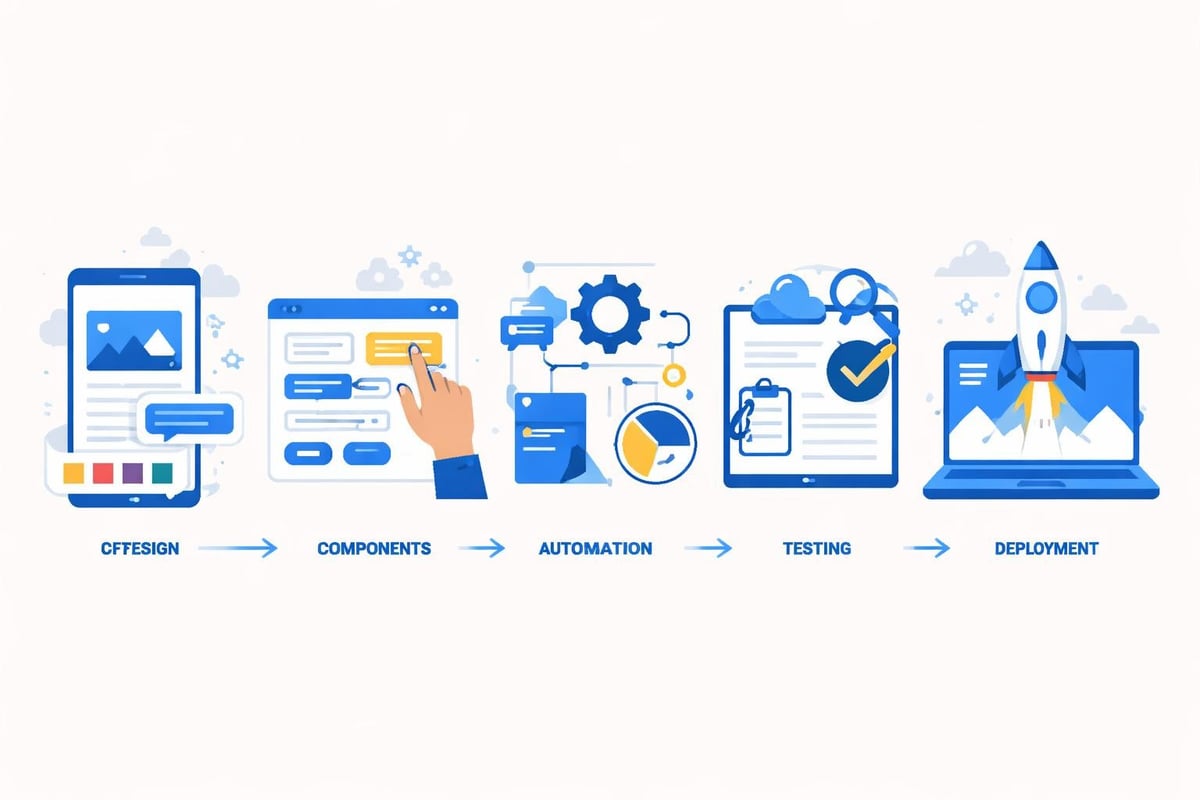
- Automated testing and deployment workflows
- Scalability options for growing applications
Platform categories vary by use case:
- General-purpose application builders for web and mobile apps
- Workflow automation tools for business process optimization
- Database and backend systems for data management
- Specialized platforms for AI, blockchain, or IoT applications
Business Benefits and Strategic Advantages
Organizations adopting low code no code platforms report significant improvements in development speed and cost efficiency. The value proposition extends well beyond simple cost savings, touching every aspect of the software development lifecycle.
Speed to Market
Traditional development projects often require months of planning, coding, testing, and deployment. Low code no code platforms compress these timelines dramatically, with some applications moving from concept to production in weeks rather than quarters.
Time-saving factors include:
- Elimination of repetitive coding tasks
- Reduced debugging and testing cycles
- Faster iteration based on user feedback
- Simplified deployment processes
Research on top low-code tools indicates that leading platforms can reduce development time by 50-90% compared to traditional coding approaches. This acceleration proves particularly valuable for startups testing market hypotheses and enterprises responding to competitive pressures.
Cost Efficiency and Resource Optimization
The financial benefits of low code no code platforms manifest across multiple dimensions. Direct savings come from reduced developer hours, while indirect benefits include decreased maintenance costs and improved resource allocation.
| Cost Factor | Traditional Development | Low Code/No Code |
|---|---|---|
| Initial Development | $50,000-$500,000 | $10,000-$100,000 |
| Time to Market | 6-18 months | 2-8 weeks |
| Maintenance Annual Cost | 15-20% of build cost | 10-15% of build cost |
| Developer Expertise Required | Senior developers | Business analysts/citizen developers |
Organizations can redirect technical talent toward complex, high-value projects while empowering business users to handle routine application development. This optimization addresses the persistent developer shortage affecting many industries.
Risk Mitigation and Governance
Modern low code no code platforms incorporate robust security frameworks and compliance tools. Enterprise-grade platforms provide role-based access control, audit trails, and automated compliance checking that rival or exceed custom-coded solutions.
Enterprises are increasingly turning to no-code solutions specifically for internal tool development, where governance and security requirements remain stringent but development speed is critical.
Popular Use Cases Across Industries
Low code no code platforms serve diverse applications across virtually every business sector. Understanding common use cases helps organizations identify opportunities within their own operations.
Internal Operations and Workflow Automation
Many organizations begin their low code journey by automating internal processes. These applications typically involve data collection, approval workflows, and reporting dashboards that previously relied on spreadsheets or email chains.
Common internal applications include:
- Employee onboarding and HR management systems
- Inventory tracking and supply chain coordination
- Project management and resource allocation tools
- Customer service ticketing and case management
- Expense reporting and procurement workflows
These internal tools deliver immediate ROI while building organizational confidence in platform capabilities.
Customer-Facing Applications
As comfort with low code no code platforms grows, organizations expand into customer-facing applications. These projects require more sophisticated design, scalability, and integration capabilities.
Successful customer applications range from appointment scheduling systems to comprehensive e-commerce platforms. AI-powered product development tools have made it easier than ever for startups to create sophisticated user experiences without extensive coding.
Data Management and Analytics
Low code platforms excel at creating custom dashboards and reporting interfaces that aggregate data from multiple sources. Business intelligence applications built on these platforms provide executives with real-time insights without requiring extensive data warehouse infrastructure.
Emerging Applications in AI and Blockchain
The integration of low-code platforms in AI development represents one of the most exciting frontiers in 2026. These platforms enable organizations to incorporate machine learning capabilities without deep expertise in data science or neural networks.
Similarly, model-driven engineering approaches in blockchain development demonstrate how low code methodologies simplify complex technical domains, making advanced technologies accessible to broader audiences.
Choosing the Right Platform for Your Needs
Selecting an appropriate low code no code platform requires careful evaluation of technical capabilities, business requirements, and long-term scalability considerations. The wrong choice can lead to technical debt and costly migrations.
Evaluation Criteria
Platform selection should balance immediate needs with future growth potential. A systematic evaluation process prevents costly mistakes and ensures long-term success.
Technical requirements to assess:
- Integration capabilities with existing systems
- Scalability limits and performance characteristics
- Security features and compliance certifications
- Customization options and extensibility
- Mobile and cross-platform support
Business considerations include:
- Pricing models and total cost of ownership
- Vendor stability and market position
- Available support and training resources
- Community size and ecosystem maturity
- Migration and exit strategies
Platform Categories and Specializations
Different platforms excel in different domains. General-purpose platforms offer flexibility, while specialized tools provide optimized workflows for specific use cases.
| Platform Type | Best For | Limitations |
|---|---|---|
| General Web/Mobile Builders | Custom applications, MVPs, startups | May require developer involvement for complex features |
| Workflow Automation | Process optimization, integrations | Limited UI customization |
| Database/Backend | Data-heavy applications, APIs | Frontend capabilities may be basic |
| Industry-Specific | Compliance-heavy sectors, specialized needs | Less flexibility for general use |
Organizations building no-code startups often prioritize platforms offering the strongest combination of flexibility and built-in scalability to support rapid growth.
Vendor Evaluation and Due Diligence
Beyond technical capabilities, vendor evaluation should examine the company's commitment to the platform, update frequency, and roadmap transparency. Platforms backed by strong communities and extensive partner ecosystems provide more stability and innovation potential.
Choosing among low-code agencies for implementation support adds another layer of complexity, as the quality of development partners significantly impacts project outcomes.
Implementation Best Practices and Common Pitfalls
Successful low code no code platform adoption requires more than selecting the right tool. Organizations must establish governance frameworks, training programs, and architectural standards to maximize value while minimizing risks.
Governance and Standards
Without proper governance, low code no code platforms can lead to shadow IT proliferation and technical fragmentation. Establishing clear policies before widespread adoption prevents these issues.
Governance framework components:
- Application approval and oversight processes
- Data security and privacy standards
- Integration architecture guidelines
- Naming conventions and documentation requirements
- Testing and quality assurance protocols
These standards balance innovation speed with organizational control, enabling rapid development without sacrificing quality or security.
Training and Skill Development
Maximizing platform value requires investment in user training. While low code no code platforms reduce technical barriers, users still need platform-specific knowledge and development best practices.
Training programs should address multiple skill levels, from business users creating simple forms to power users building complex applications. Ongoing education ensures teams leverage new platform features as they become available.
Avoiding Common Mistakes
Organizations new to low code no code platforms often encounter predictable challenges. Learning from these common mistakes accelerates success.
Pitfalls to avoid:
- Treating low code as a complete replacement for traditional development
- Underestimating the importance of proper application architecture
- Neglecting performance testing and scalability planning
- Failing to establish integration standards early
- Building overly complex applications beyond platform sweet spots
Integration with Traditional Development Approaches
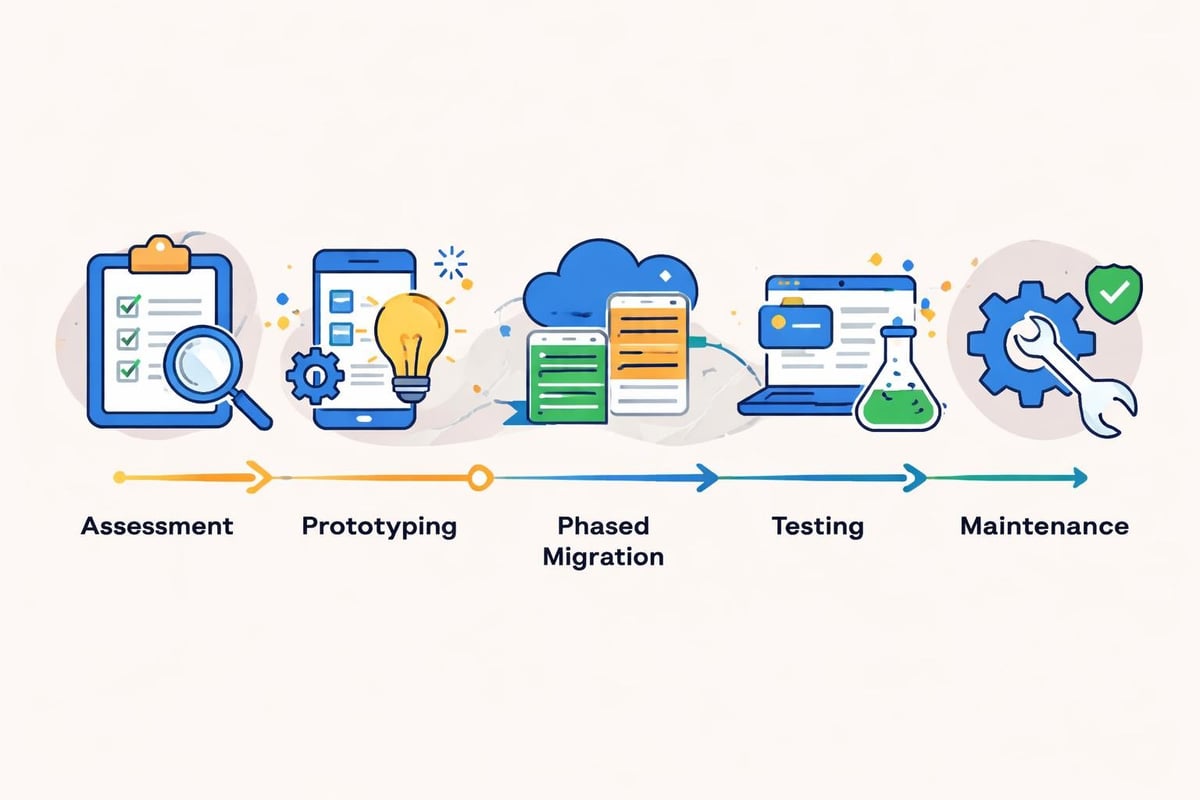
Smart organizations view low code no code platforms as complementary to traditional development rather than as wholesale replacements. This hybrid approach leverages each methodology's strengths while mitigating weaknesses.
Determining the Right Tool for Each Project
Project characteristics should drive technology selection. Simple applications with standard functionality suit low code no code platforms perfectly, while complex systems with unique requirements may warrant traditional coding.
Decision factors include:
- Technical complexity and customization needs
- Performance and scalability requirements
- Integration complexity with existing systems
- Regulatory and compliance constraints
- Available timeline and budget
Software development approaches increasingly combine multiple methodologies, with low code handling rapid prototyping and standard features while custom code addresses specialized requirements.
Building Hybrid Architectures
The most sophisticated implementations use low code no code platforms for specific application layers while custom code handles others. This architectural approach optimizes development efficiency without sacrificing capability.
Common patterns include using low code platforms for frontend interfaces while building custom APIs and business logic. Alternatively, organizations might use traditional development for core systems while enabling citizen developers to create departmental tools on low code platforms.
Maintaining Technical Excellence
Adopting low code no code platforms doesn't excuse poor development practices. Applications still require proper testing, documentation, version control, and monitoring regardless of how they're built.
Quality standards should apply equally to low code and traditionally coded applications. Performance benchmarks, security reviews, and user acceptance testing remain essential for all software projects.
Future Trends and Evolution
The low code no code platform market continues evolving rapidly, with new capabilities and use cases emerging regularly. Understanding directional trends helps organizations make informed platform investments.
AI and Machine Learning Integration
Artificial intelligence increasingly powers low code no code platforms themselves, offering intelligent suggestions, automated testing, and natural language interfaces. These AI capabilities make platforms more accessible while expanding their technical capabilities.
Open-source alternatives are also emerging, providing transparency and customization options that proprietary platforms cannot match. This diversity promotes innovation and prevents vendor lock-in concerns.
Specialized Vertical Solutions
While general-purpose platforms dominated early market development, 2026 sees increasing specialization. Industry-specific platforms incorporate domain knowledge, compliance frameworks, and standard workflows that accelerate development in healthcare, finance, manufacturing, and other sectors.
These vertical platforms reduce configuration requirements while providing built-in best practices for specific industries.
Expanding Technical Capabilities
Modern low code no code platforms increasingly support advanced scenarios previously requiring custom code. Complex data transformations, real-time collaboration, and sophisticated UI interactions now fall within platform capabilities.
This expansion blurs boundaries between low code and traditional development, challenging assumptions about what these platforms can accomplish.
Developer Experience Evolution
Platform vendors continuously refine their tools to serve both technical and non-technical users. Tiered interfaces provide simple options for business users while exposing advanced features for developers, maximizing platform utility across skill levels.
This evolution positions low code no code platforms as professional development tools rather than simplified alternatives, changing how organizations perceive and deploy them.
Low code no code platforms have matured into essential tools for modern software development, offering unprecedented speed and accessibility without sacrificing capability or quality. Understanding platform capabilities, selecting appropriate tools, and implementing proper governance enables organizations to harness these platforms effectively while avoiding common pitfalls. Whether you're building your first MVP or scaling enterprise applications, Big House Technologies brings deep expertise in Bubble and Lovable platforms to transform your vision into production-ready solutions with the speed and cost-efficiency that low code development promises.

About Big House
Big House is committed to 1) developing robust internal tools for enterprises, and 2) crafting minimum viable products (MVPs) that help startups and entrepreneurs bring their visions to life.
If you'd like to explore how we can build technology for you, get in touch. We'd be excited to discuss what you have in mind.
Other Articles
Explore the Chai AI app in 2026 Discover features benefits and user insights Learn how to create chat and connect for a smarter more creative experience
Unlock creative coding in 2025 with our Rep Lit guide Explore AI no code tools real world examples and step by step tips to build and launch your own apps
We ran an experiment comparing Bubble and Webflow by building identical websites to test SEO and performance. Read on to explore the results and determine which platform offers better features for your business.