
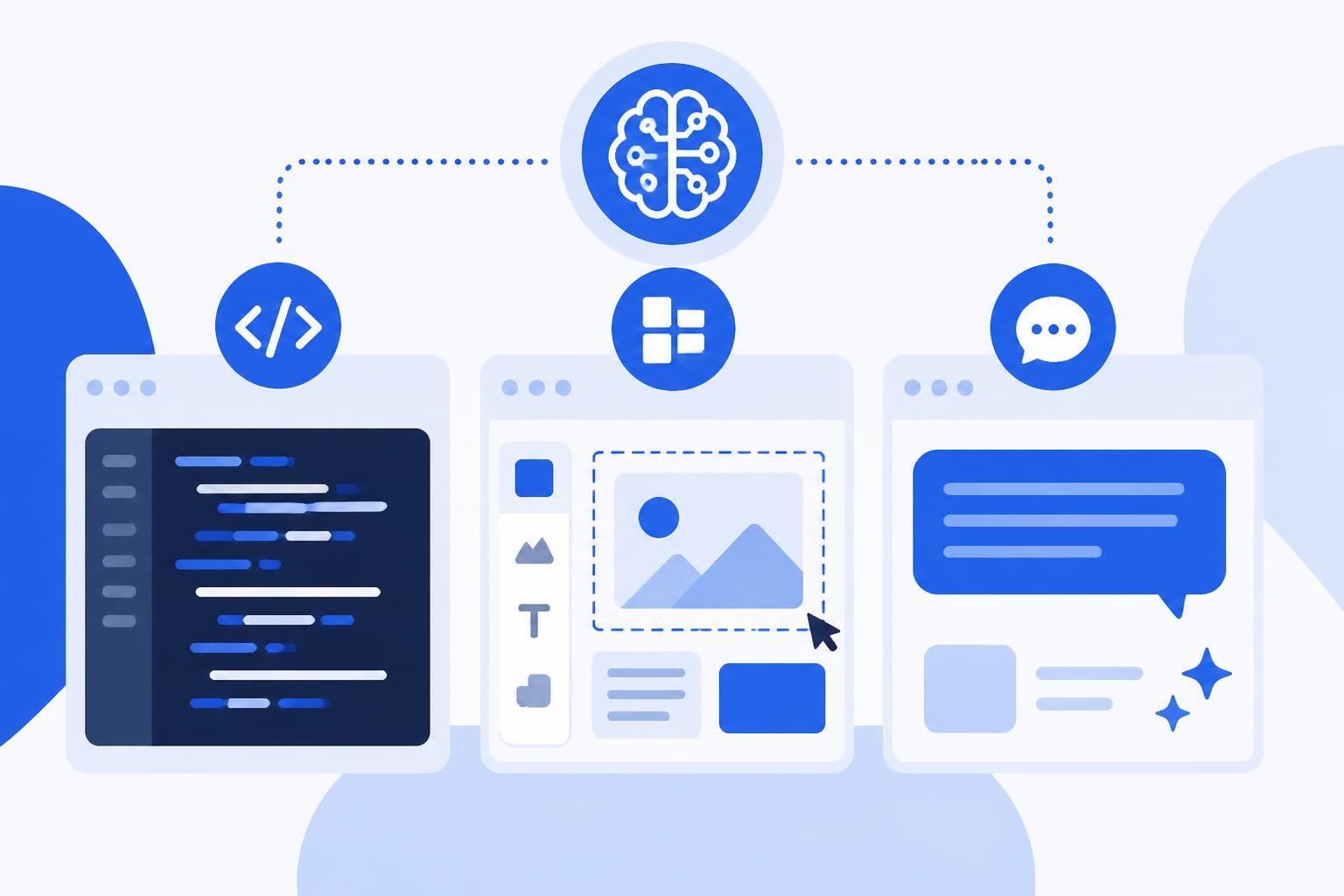
The AI-powered no-code revolution has transformed how businesses build software, with platforms like Lovable leading the charge in converting natural language prompts into functional applications. However, as the market matures in 2026, developers and entrepreneurs increasingly seek lovable alternatives that match their specific technical requirements, budget constraints, or integration needs. Whether you're an enterprise looking for scalable solutions or a startup seeking cost-effective development options, understanding the landscape of AI-powered no-code platforms helps you make informed decisions about your technology stack.
Understanding the AI No-Code Platform Landscape
The no-code development ecosystem has evolved dramatically over the past few years, with AI integration becoming a standard expectation rather than a novelty feature. Lovable pioneered the concept of conversational development, where users describe their application requirements in plain English and receive production-ready code. This approach democratized software development, but it also created demand for specialized alternatives.
Key factors driving the search for lovable alternatives include:
- Specific framework requirements (React, Vue, Svelte preferences)
- Enterprise compliance and security standards
- Custom deployment infrastructure needs
- Budget optimization for different project scales
- Integration with existing technology ecosystems
The best no-code platforms now offer varying approaches to AI-assisted development, each with distinct strengths. Some platforms prioritize visual development interfaces, while others focus on code quality and export capabilities. Understanding these differences becomes crucial when evaluating which platform aligns with your project goals.
The Evolution of AI-Powered Development Tools
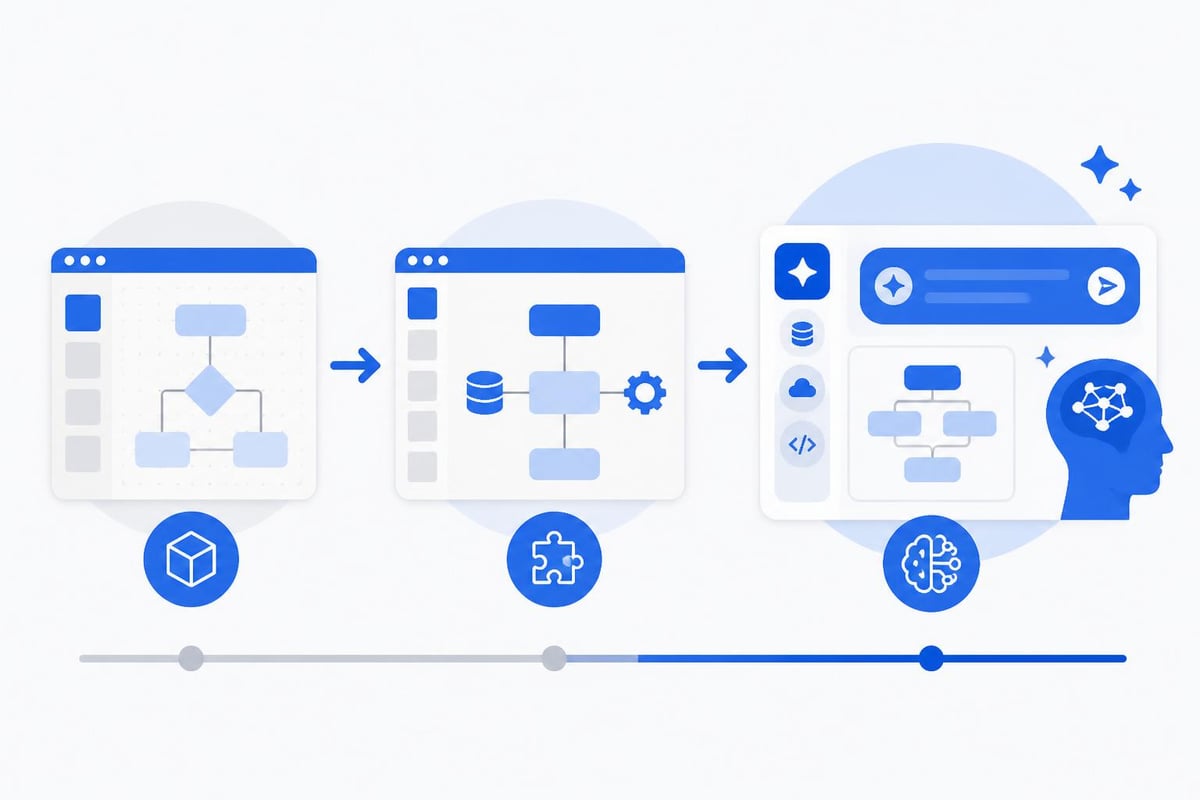
Traditional no-code platforms required users to learn proprietary systems and visual interfaces. Modern AI-powered tools fundamentally changed this paradigm by accepting natural language instructions. This shift reduced the learning curve from weeks to hours, but also introduced new considerations around code ownership, customization limits, and vendor lock-in.
Top AI-Powered Lovable Alternatives
When evaluating lovable alternatives, it's essential to consider both the immediate development experience and long-term scalability. The following platforms represent the strongest contenders in the AI-powered no-code space, each offering unique value propositions.
Bolt.new by StackBlitz
Bolt.new emerged as a formidable competitor in the AI development space, offering instant full-stack development environments directly in the browser. The platform excels at rapid prototyping and allows developers to iterate on applications through conversational prompts.
| Feature | Capability | Best For |
|---|---|---|
| Development Speed | Instant environment setup | Quick MVPs and prototypes |
| Code Export | Full source code access | Developer handoff scenarios |
| Framework Support | React, Vue, Node.js | Multi-framework projects |
| Collaboration | Real-time sharing | Team development |
Advantages of Bolt.new include:
- No local development setup required
- Complete control over generated code
- WebContainer technology for secure browser-based execution
- Seamless integration with GitHub for version control
The platform particularly shines for teams that need rapid iteration cycles without sacrificing code quality. Unlike some alternatives, Bolt.new provides transparent access to all generated code, making it suitable for projects that may eventually require custom development.
v0 by Vercel
Vercel's v0 platform takes a component-first approach to AI development, focusing on generating high-quality React components using Shadcn UI and Tailwind CSS. This specialization makes it one of the most compelling lovable alternatives for projects prioritizing modern design systems.
The platform integrates naturally with Vercel's deployment infrastructure, offering production-grade hosting with minimal configuration. For teams already using Next.js, v0 provides an accelerated development path that maintains consistency with their existing technology choices.
v0 strengths include:
- Production-ready component generation
- Built-in responsive design capabilities
- Optimized performance out of the box
- Seamless Vercel deployment pipeline
However, v0's component-focused approach means it works best for frontend development rather than full-stack applications. Teams needing backend logic and database integration often pair v0 with other tools or custom development.
Replit Agent
Replit Agent represents a comprehensive development environment that combines AI assistance with collaborative coding features. The platform supports multiple programming languages and provides persistent development environments that team members can access from anywhere.
What distinguishes Replit Agent among lovable alternatives is its educational foundation. Originally designed for learning programming, Replit evolved into a professional development platform while retaining its accessible interface. This heritage makes it particularly valuable for teams with mixed technical abilities.
The platform's AI capabilities extend beyond code generation to include debugging assistance, optimization suggestions, and architectural guidance. These features create a development experience that teaches while building, making it ideal for teams expanding their technical capabilities.
Visual-First Development Platforms
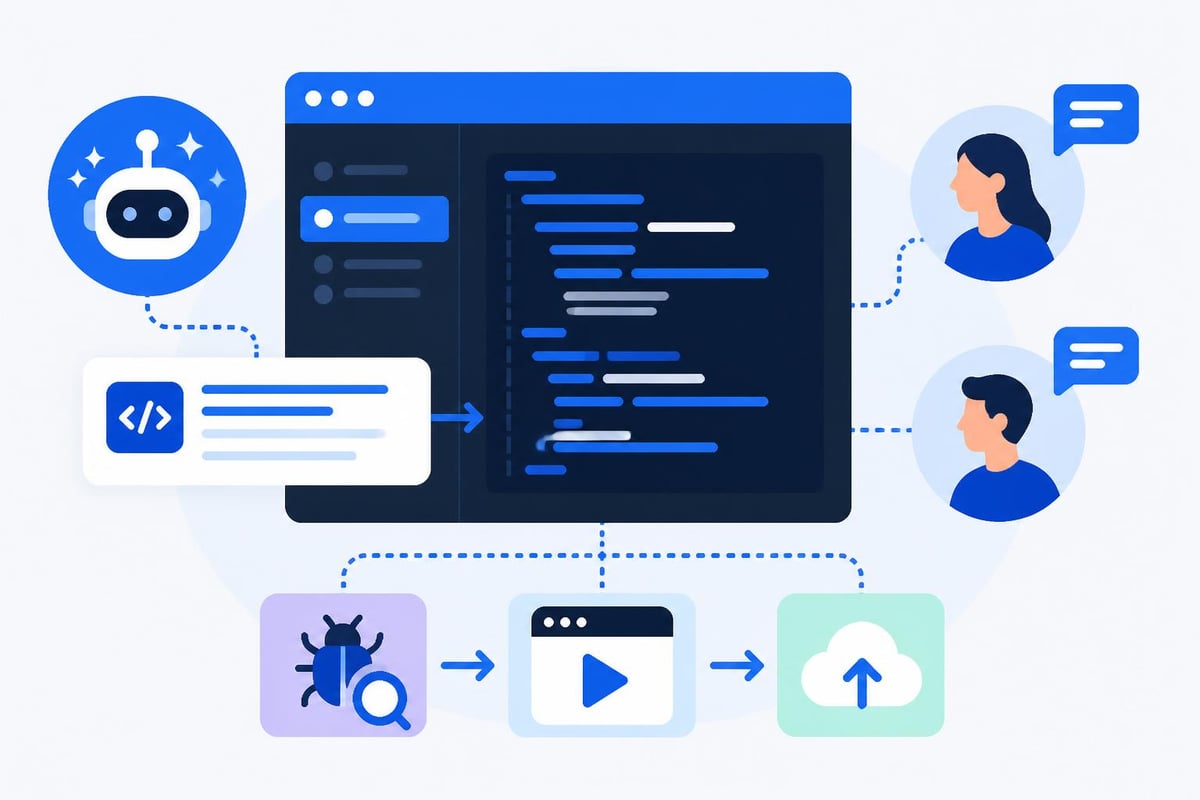
While AI-powered text-to-code platforms dominate current discussions, visual-first builders remain powerful lovable alternatives for specific use cases. These platforms excel when speed to market and ease of maintenance outweigh code-level customization needs.
Bubble's Evolution in the AI Era
Bubble has integrated AI capabilities while maintaining its visual development core, creating a hybrid approach that combines the best of both worlds. The platform now offers AI-assisted workflow creation, automated responsive design, and intelligent database schema suggestions.
For enterprises seeking alternatives to traditional development, Bubble provides enterprise-grade features including dedicated infrastructure, custom authentication systems, and comprehensive API capabilities. The platform's maturity shows in its extensive plugin ecosystem and active developer community.
Bubble's AI enhancements include:
- Smart workflow suggestions based on common patterns
- Automated responsive layout generation
- Performance optimization recommendations
- Database relationship mapping assistance
The platform's visual interface remains its primary interaction model, with AI serving as an assistant rather than the primary development method. This approach suits teams that prefer visual clarity over conversational development. When comparing no-code versus custom code costs, Bubble often emerges as a middle ground between pure AI platforms and traditional development.
Webflow's AI Integration
Webflow has strategically incorporated AI features while preserving its designer-friendly interface. The platform's AI capabilities focus on content generation, SEO optimization, and layout suggestions rather than full application logic.
| Feature Category | Traditional Webflow | AI-Enhanced Webflow |
|---|---|---|
| Layout Design | Manual positioning | AI layout suggestions |
| Content Writing | Manual entry | AI content generation |
| SEO Optimization | Manual configuration | AI-powered recommendations |
| Responsive Design | Breakpoint adjustments | Intelligent adaptation |
Webflow positions itself as a lovable alternative for content-focused projects, marketing sites, and design portfolios. The platform's strength lies in producing visually stunning websites with minimal technical overhead, though it offers less flexibility for complex application logic compared to full-stack alternatives.
Specialized AI Development Solutions
Beyond general-purpose platforms, several specialized tools address specific development niches. These lovable alternatives excel in focused use cases where generalist platforms may struggle.
Glide for Data-Driven Applications
Glide transforms spreadsheets into functional applications through an AI-enhanced interface. The platform particularly excels at creating internal tools, customer portals, and data management systems without traditional database configuration.
The platform's AI features include automatic UI generation based on data structure, intelligent field type detection, and relationship mapping between data tables. For businesses with existing data in Google Sheets or Excel, Glide offers the fastest path to application deployment.
Ideal use cases for Glide:
- Internal directory and resource management
- Customer-facing portals and dashboards
- Field service and inventory tracking
- Event and project management
Glide's limitations become apparent when applications require complex business logic or high-volume data processing. However, for its target use cases, the platform delivers exceptional time-to-market advantages.
FlutterFlow for Mobile-First Development
FlutterFlow brings AI assistance to mobile app development, generating Flutter code through visual design and conversational prompts. The platform addresses a critical gap in the lovable alternatives ecosystem: native mobile application development.
The platform generates clean, exportable Flutter code that developers can extend with custom functionality. This approach provides an exit strategy that purely proprietary platforms cannot match, reducing concerns about vendor lock-in while maintaining rapid development speeds.
Unlike web-focused alternatives, FlutterFlow handles mobile-specific concerns like offline data sync, push notifications, and device hardware access. The platform's AI assists with responsive layout across device sizes, state management architecture, and performance optimization.
Evaluating Platform Fit for Your Project
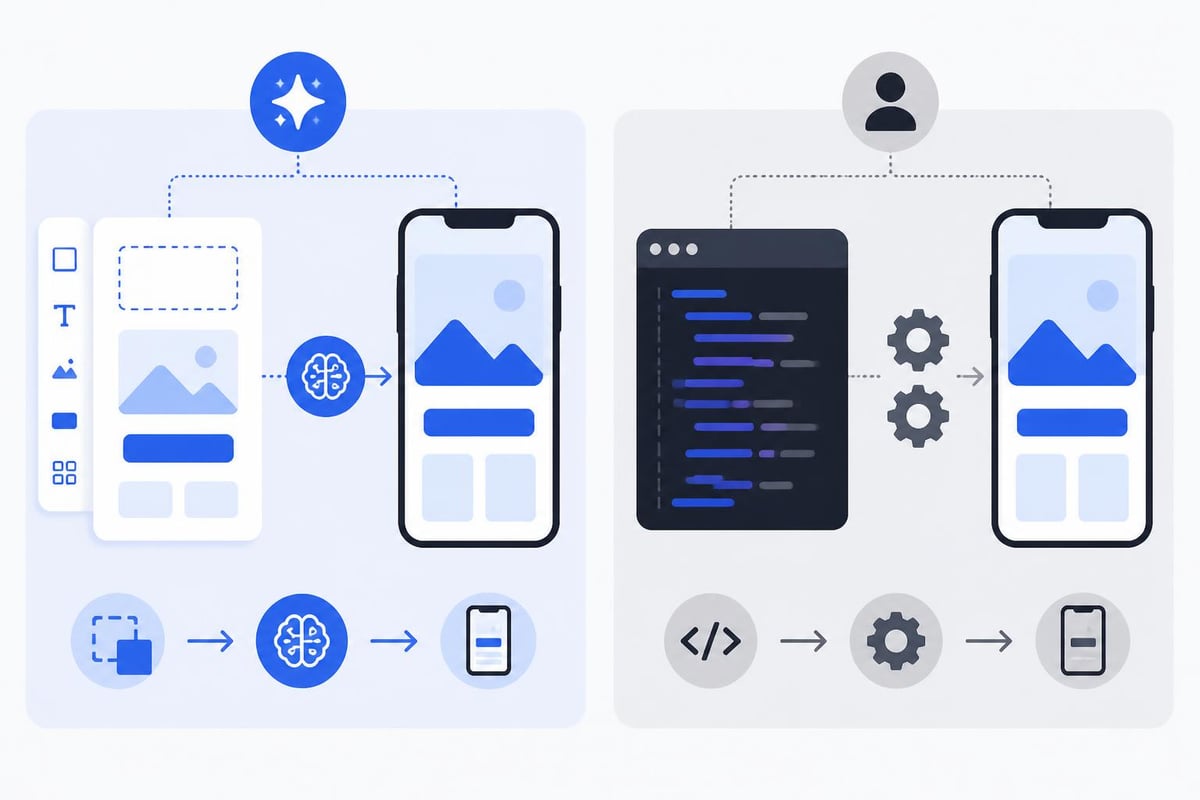
Selecting among lovable alternatives requires systematic evaluation of your project requirements against platform capabilities. The most sophisticated platform isn't always the best choice; alignment with your specific needs determines success.
Technical Requirement Assessment
Begin by documenting your application's technical architecture. Does it require real-time data synchronization? Will it integrate with existing enterprise systems? Does it need to support thousands of concurrent users? These questions guide platform selection more effectively than feature checklists.
Critical technical considerations include:
- Database requirements and query complexity
- Third-party service integrations
- User authentication and authorization needs
- Performance and scalability expectations
- Deployment environment constraints
Platforms like Bubble and Lovable offer different strengths in these areas. Understanding where your project falls on the complexity spectrum helps identify which lovable alternatives deserve deeper evaluation.
Cost Structure Analysis
Pricing models vary significantly across AI-powered no-code platforms. Some charge based on generated code, others on user seats, and many use hybrid approaches combining multiple factors. Understanding total cost of ownership requires looking beyond monthly subscription fees.
Consider development time savings, ongoing maintenance costs, and potential technical debt. A platform with higher subscription costs might deliver lower total costs if it significantly reduces development time or eliminates the need for specialized developers.
| Cost Factor | Impact on Total Ownership | Evaluation Questions |
|---|---|---|
| Subscription Fees | Direct monthly expense | What's included in base tier? |
| Development Time | Labor cost savings | How quickly can we ship? |
| Maintenance | Ongoing technical debt | Who handles updates? |
| Scaling Costs | Growth-related expenses | What are usage-based charges? |
| Exit Strategy | Potential migration costs | Can we export our work? |
The approach to building applications should factor in both immediate costs and long-term financial implications. Some lovable alternatives offer better economics at small scale, while others become cost-effective only with significant user bases.
Integration and Ecosystem Considerations
Modern applications rarely exist in isolation. Your chosen platform must integrate seamlessly with existing business systems, data sources, and workflow tools. The strength of a platform's integration ecosystem often determines its long-term viability.
API Connectivity and Extensibility
Evaluate how each platform handles external API connections. Some lovable alternatives provide visual API configuration tools, while others require custom code for complex integrations. The ease of connecting to your essential services directly impacts development timelines.
Key integration categories to assess:
- Payment processing (Stripe, PayPal, Square)
- Customer relationship management systems
- Marketing automation platforms
- Analytics and business intelligence tools
- Communication services (email, SMS, notifications)
Platforms with robust API marketplaces reduce integration work, but custom API needs require platforms that support flexible authentication methods, complex request formatting, and error handling logic. Research from MakerPad's comprehensive guide highlights how integration capabilities often differentiate professional-grade platforms from hobbyist tools.
Data Management and Database Options
Database architecture decisions have lasting implications for application performance and scalability. Among lovable alternatives, database approaches range from proprietary systems to standard SQL databases to spreadsheet-based storage.
Understanding the best database options for no-code platforms helps you evaluate whether a platform's data layer matches your requirements. Applications with complex relational data benefit from platforms offering traditional database structures, while simpler use cases may thrive with more accessible alternatives.
Some platforms abstract database complexity entirely, while others expose SQL-like query interfaces for advanced users. The right choice depends on your team's technical capabilities and application data complexity. Consider whether you need features like transactions, complex joins, or real-time data synchronization when comparing options.
Security and Compliance Requirements
Enterprise applications face stringent security and compliance requirements that not all lovable alternatives adequately address. Regulatory frameworks like GDPR, HIPAA, and SOC 2 impose specific technical controls that platform architecture must support.
Enterprise Security Features
Modern security extends beyond basic SSL encryption. Evaluate whether platforms provide granular access controls, audit logging, data encryption at rest, and compliance certifications relevant to your industry.
Essential enterprise security capabilities:
- Role-based access control with fine-grained permissions
- Single sign-on (SSO) integration with corporate identity providers
- Comprehensive audit trails for all data modifications
- Data residency controls for regulatory compliance
- Vulnerability management and security update processes
Some platforms offer dedicated enterprise tiers with enhanced security features, while others build security into all subscription levels. For regulated industries, platforms lacking proper security controls aren't viable options regardless of development speed advantages.
Data Ownership and Portability
Vendor lock-in represents a significant risk when adopting any platform. Lovable alternatives that provide code export or standard database formats offer better long-term flexibility than proprietary systems with no exit strategy.
Clarify what you own when using each platform. Can you export your complete application code? Is your data accessible in standard formats? What happens to your application if you stop paying subscription fees? These questions become critical when building applications that may need to migrate platforms in the future.
Platforms following open standards generally provide safer long-term bets than those using proprietary formats. Even if you don't plan to export your application, having that option provides negotiating leverage and reduces strategic risk.
Performance and Scalability Considerations
AI-generated code quality varies significantly across platforms, directly impacting application performance and scalability. Some lovable alternatives optimize for rapid development at the expense of runtime efficiency, while others prioritize production-grade performance from the start.
Code Quality and Optimization
Generated code should follow modern best practices, use efficient algorithms, and avoid common performance pitfalls. Platforms that produce bloated or inefficient code create technical debt that becomes expensive to address as applications scale.
Request sample code exports from platforms you're evaluating. Review the generated code for readability, maintainability, and efficiency. Even if you don't plan to modify the code directly, understanding its quality helps predict long-term maintenance requirements.
Code quality indicators to examine:
- Proper separation of concerns and modular structure
- Efficient database queries with appropriate indexing
- Minimal redundant code and logic duplication
- Modern framework conventions and patterns
- Adequate code comments and documentation
Tools highlighted in discussions about AI-based design to code solutions demonstrate varying approaches to code generation quality, with some prioritizing clean architecture while others focus on functional completeness.
Infrastructure and Deployment Options
Where your application runs matters as much as how it's built. Some lovable alternatives include hosting as part of their platform, while others generate code you deploy to your own infrastructure.
Platform-hosted solutions offer simplicity but limit control over performance optimization, geographical distribution, and infrastructure costs. Self-hosted options provide flexibility but require additional DevOps expertise and tooling.
Consider your team's operational capabilities when evaluating deployment models. If you lack dedicated infrastructure staff, platforms with managed hosting may provide better overall value despite potentially higher subscription costs. Conversely, teams with strong DevOps capabilities might prefer platforms offering deployment flexibility.
Making Your Platform Selection Decision
After evaluating lovable alternatives across technical capabilities, cost structures, integration options, security features, and performance characteristics, synthesize your findings into a decision framework aligned with your specific context.
Proof of Concept Testing
Theory only takes you so far. Build small proof-of-concept applications on your short-listed platforms to validate assumptions about development speed, ease of use, and technical capabilities. Real-world testing reveals friction points that documentation often overlooks.
Focus your proof of concept on the most challenging aspects of your planned application. If complex data relationships concern you, build a test application emphasizing that functionality. If API integrations seem risky, prototype those connections first.
Effective proof of concept elements:
- Representative data models and relationships
- Critical third-party integrations
- Authentication and authorization flows
- Key user interface interactions
- Performance-sensitive operations
Allocate one to two weeks for meaningful proof of concept work. Rushing this phase often leads to selecting platforms that seem appealing in demos but frustrate in actual development. When exploring application development platforms, hands-on experience provides insights no amount of research can replace.
Long-Term Strategic Alignment
Platform selection should align with your organization's broader technology strategy. Consider whether the platform fits your team's skill development goals, supports your preferred deployment infrastructure, and integrates with your existing technology investments.
Some lovable alternatives position themselves as complete development platforms, while others serve as acceleration tools that complement traditional development. Understanding where each platform fits in your overall technology ecosystem prevents mismatched expectations and strategic conflicts.
Think beyond your immediate project to future applications and use cases. Will this platform support your next three applications, or will you need to learn new tools for different project types? Consolidating on fewer platforms generally reduces training overhead and increases team efficiency over time.
Navigating the expanding landscape of lovable alternatives requires balancing immediate development needs with long-term strategic considerations, from technical capabilities and cost structures to security requirements and team expertise. The right platform depends entirely on your specific context, project requirements, and organizational goals. Whether you're building enterprise internal tools, customer-facing applications, or innovative startup products, Big House Technologies brings deep expertise in both Bubble and Lovable platforms to help you select and implement the optimal solution for your unique requirements, delivering scalable software on time and within budget.

About Big House
Big House is committed to 1) developing robust internal tools for enterprises, and 2) crafting minimum viable products (MVPs) that help startups and entrepreneurs bring their visions to life.
If you'd like to explore how we can build technology for you, get in touch. We'd be excited to discuss what you have in mind.
Other Articles
Discover the best AI tools for coding in 2026. Learn how AI-powered development platforms boost productivity, streamline workflows, and transform software creation.
Unlock the full potential of your app with expert Bubble plugin development services in 2026. Discover trends, costs, and best practices to scale efficiently.
Discover the 7 best nocode startups to watch in 2025. Explore features, pricing, and trends to find the right no-code solution for your business success.