
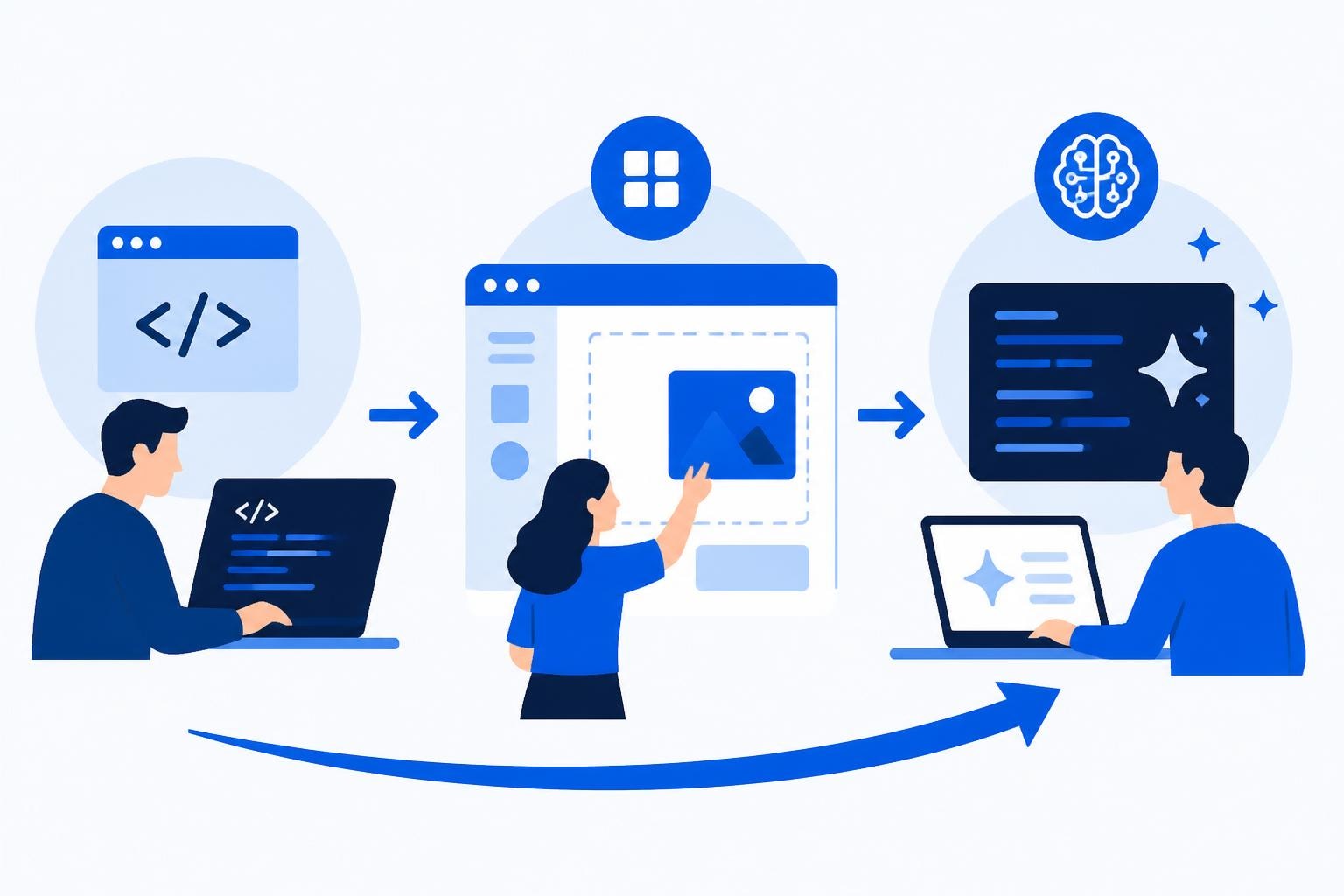
The landscape of software creation has transformed dramatically over the past decade, with development technologies evolving from purely code-based approaches to comprehensive platforms that democratize application building. In 2026, businesses face an unprecedented array of options for bringing their digital ideas to life, from traditional programming languages to revolutionary no-code and AI-powered platforms. Understanding these development technologies and their appropriate applications has become essential for organizations seeking to maintain competitive advantage while managing costs and timelines effectively.
The Spectrum of Modern Development Technologies
Development technologies in 2026 span a wide spectrum, each serving distinct needs and user profiles. Traditional programming remains the foundation for many complex systems, while newer approaches have opened doors for non-technical stakeholders to participate in software creation.
Traditional code-based development continues to power enterprise infrastructure and specialized applications. Languages like JavaScript, Python, and Java maintain their dominance, supported by comprehensive resources like MDN Web Docs that provide developers with essential technical documentation. These technologies offer maximum flexibility and control, making them ideal for systems requiring unique functionality or deep integration with legacy infrastructure.
Evolution Toward Accessible Development
The emergence of low-code and no-code platforms represents a significant shift in how organizations approach software creation. These development technologies enable business users and non-programmers to build sophisticated applications through visual interfaces and pre-built components.
- Reduced development time by 60-80% compared to traditional coding
- Lower technical barriers allowing domain experts to build solutions
- Faster iteration cycles enabling rapid prototyping and testing
- Cost efficiency through reduced developer resource requirements
This democratization of software development doesn't eliminate the need for professional developers but rather redistributes technical resources more strategically. Organizations can now reserve their coding expertise for truly complex challenges while empowering teams to solve immediate business problems independently.
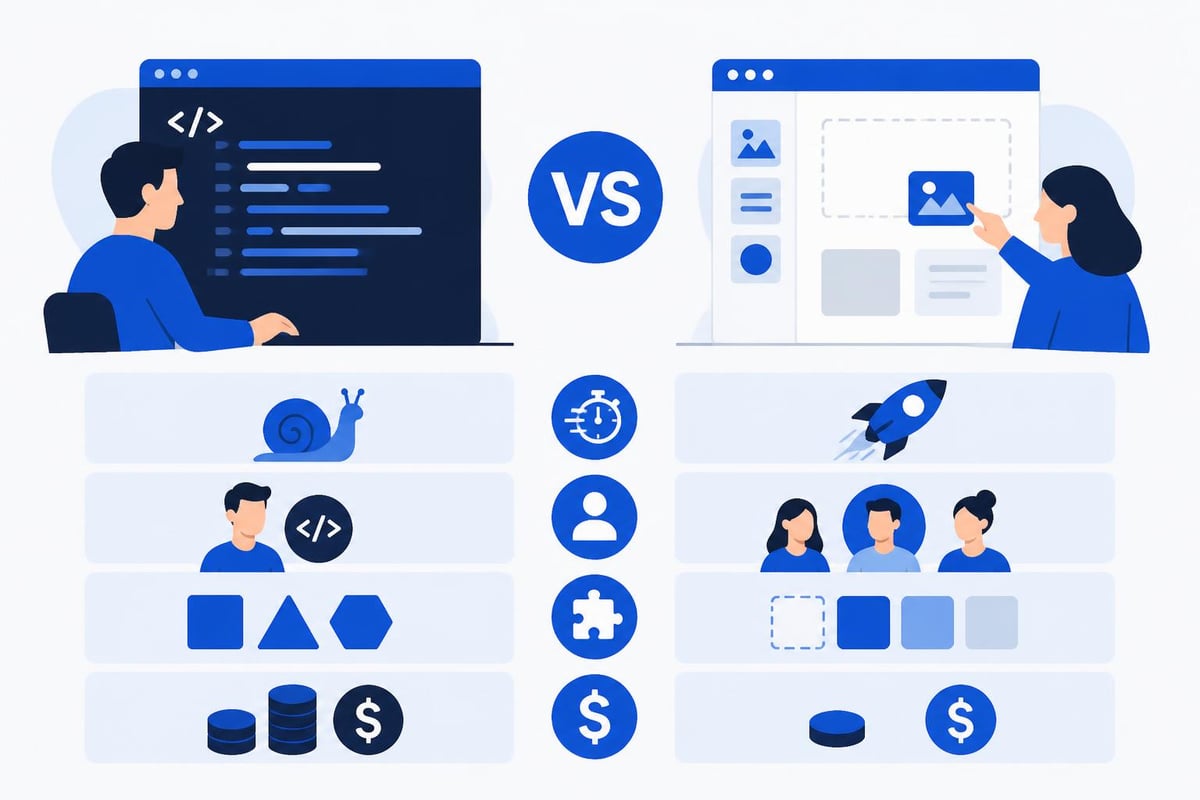
No-Code Platforms as Enterprise Development Technologies
No-code development technologies have matured significantly, now powering mission-critical applications for Fortune 500 companies and innovative startups alike. Platforms like Bubble have demonstrated that visual development can produce scalable, production-grade software without traditional programming.
The best database solutions for no-code platforms enable these tools to handle complex data relationships and high transaction volumes. Modern no-code platforms incorporate sophisticated features previously available only through custom coding:
| Feature Category | Traditional Development | No-Code Platforms |
|---|---|---|
| User Authentication | Custom implementation | Built-in modules |
| API Integration | Manual coding required | Visual connectors |
| Responsive Design | CSS frameworks needed | Automatic adaptation |
| Database Management | SQL expertise required | Visual data modeling |
| Deployment | DevOps configuration | One-click publishing |
Enterprise Adoption and Scalability
Large organizations increasingly recognize no-code development technologies as strategic assets rather than quick fixes. The reasons enterprises turn to no-code for internal tools include accelerated digital transformation, reduced IT backlog, and enhanced business agility.
Scalability concerns that once limited no-code adoption have largely been addressed through architectural improvements and cloud infrastructure integration. Modern platforms can handle thousands of concurrent users and millions of database records while maintaining performance standards comparable to traditionally coded applications.
AI-Powered Development Technologies
Artificial intelligence has emerged as a transformative force among development technologies, fundamentally changing how developers work and what non-technical users can accomplish. AI coding assistants, automated testing tools, and intelligent debugging systems now augment human capabilities across the development lifecycle.
The integration of AI into development workflows includes:
- Code generation from natural language descriptions
- Automated testing that identifies edge cases and vulnerabilities
- Performance optimization through intelligent analysis
- Documentation creation synchronized with code changes
- Bug detection and repair before production deployment
Lovable and similar AI-driven platforms represent the next evolution, where users describe desired functionality and the system generates working applications. This approach combines the speed of no-code with the flexibility approaching traditional development.
Hybrid Approaches Combining Multiple Technologies
Smart organizations don't view development technologies as mutually exclusive options. The most effective strategies combine traditional coding, no-code platforms, and AI assistance based on project requirements and team capabilities.
Custom code remains essential for proprietary algorithms, complex integrations, and performance-critical systems. No-code excels at user interfaces, workflows, and standard business logic. AI augments both approaches by accelerating routine tasks and reducing human error.
Selecting Appropriate Development Technologies
Choosing the right development technologies requires evaluating multiple factors beyond simple feature comparisons. Project timelines, budget constraints, team composition, scalability requirements, and maintenance considerations all influence the optimal technology stack.
Cost Considerations Across Technology Choices
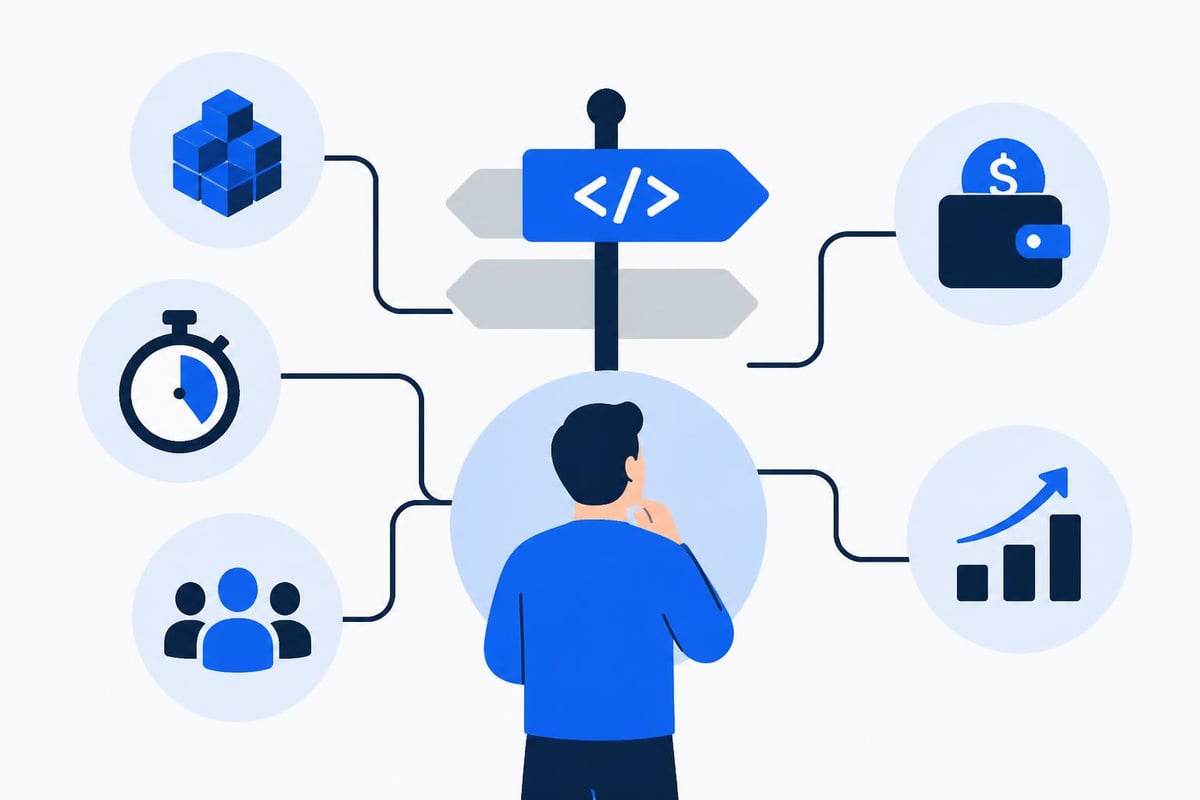
Budget analysis must account for total cost of ownership, not just initial development expenses. The cost comparison between no-code and custom code reveals significant variations across the application lifecycle.
Development phase costs differ dramatically:
- Traditional development: High upfront costs, longer timelines
- No-code platforms: Lower initial investment, faster delivery
- AI-assisted coding: Moderate costs with accelerated development
Maintenance and updates present different economic models. Custom code requires ongoing developer involvement for even minor changes. No-code platforms enable business users to make modifications without technical support, reducing long-term operational costs.
| Consideration | Traditional Code | No-Code | AI-Assisted |
|---|---|---|---|
| Initial Development | $50,000-$200,000+ | $5,000-$50,000 | $15,000-$80,000 |
| Time to Market | 6-18 months | 1-3 months | 2-6 months |
| Skill Requirements | Professional developers | Minimal technical | Some technical |
| Modification Speed | Slow (requires dev) | Fast (self-service) | Moderate |
| Customization Limit | Unlimited | Platform-dependent | Very High |
Web Standards and Development Technologies
Understanding web standards remains crucial regardless of which development technologies an organization adopts. These standards ensure interoperability, accessibility, and future compatibility across platforms and devices.
Modern development technologies increasingly abstract developers from direct interaction with web standards while still adhering to them behind the scenes. No-code platforms generate standards-compliant HTML, CSS, and JavaScript, while developers using traditional approaches must implement these standards manually.
Compliance and Accessibility Requirements
Regulatory compliance and accessibility standards impact technology selection significantly. Development technologies must support WCAG guidelines, GDPR requirements, and industry-specific regulations like HIPAA or SOC 2.
No-code platforms often include compliance features as built-in capabilities, reducing the expertise required to meet regulatory standards. Custom development requires specialized knowledge to implement these requirements correctly, increasing both complexity and cost.
Integration Capabilities Across Development Technologies
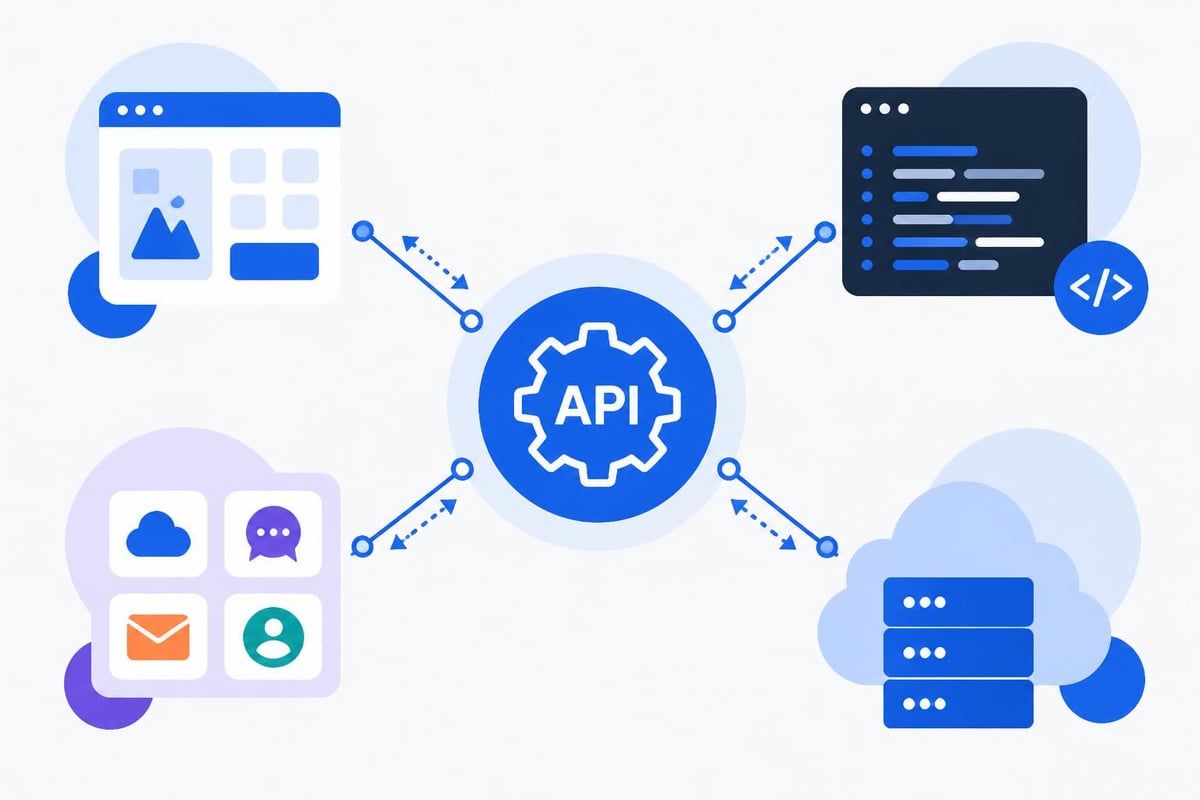
Modern software rarely exists in isolation. Development technologies must facilitate integration with existing systems, third-party services, and future additions to the technology ecosystem.
APIs serve as the universal language enabling different development technologies to communicate. Whether built with traditional code or no-code platforms, applications must expose and consume APIs effectively. AWS developer tools exemplify the infrastructure supporting these integration patterns.
Common integration scenarios include:
- Payment processing through Stripe or PayPal
- Authentication via OAuth providers
- Data synchronization with CRM systems
- Analytics and monitoring services
- Communication tools and notification systems
Developer Tools and Ecosystem Support
The maturity of development technologies correlates strongly with their surrounding ecosystems. Established platforms offer extensive libraries, plugins, and community-contributed extensions that accelerate development and reduce custom coding requirements.
Traditional programming languages benefit from decades of accumulated tools and resources. No-code platforms have rapidly built robust ecosystems, with marketplaces offering hundreds of plugins and templates. The quality and availability of developer tools and resources significantly impact productivity regardless of the chosen development approach.
Performance Optimization in Modern Development Technologies
Application performance remains critical regardless of how software is built. Development technologies vary in their optimization capabilities and the expertise required to achieve optimal results.
Traditional development offers maximum control over performance tuning, from database query optimization to caching strategies and resource management. This control requires significant expertise and ongoing attention.
No-code platforms handle many performance optimizations automatically but may impose limitations on advanced tuning. Modern platforms increasingly incorporate AI-driven performance management that adjusts resource allocation and caching strategies based on usage patterns.
Scaling Strategies for Different Technologies
Horizontal and vertical scaling approaches differ across development technologies. Custom applications require architectural planning for scalability, including load balancing, database sharding, and microservices architecture.
No-code platforms typically abstract scaling complexity, automatically distributing resources based on demand. This managed approach reduces operational burden but may increase costs at scale compared to carefully optimized custom infrastructure.
Security Considerations in Development Technologies
Security threats evolve constantly, making robust security practices essential across all development technologies. The approach to security varies significantly between traditional coding and platform-based development.
Custom development requires implementing security measures at every layer:
- Input validation and sanitization
- Authentication and authorization systems
- Encryption for data at rest and in transit
- Protection against common vulnerabilities (SQL injection, XSS, CSRF)
- Regular security audits and penetration testing
No-code platforms embed security best practices into their core functionality, reducing the security knowledge required from builders. However, users must still understand proper data handling, access control configuration, and compliance requirements.
Future Directions for Development Technologies
Development technologies continue evolving rapidly, with several trends shaping the landscape for the coming years. Understanding these directions helps organizations make future-proof technology decisions.
AI integration will deepen across all development approaches. Expect more sophisticated code generation, automated optimization, and intelligent debugging that reduces the distinction between coding and describing desired functionality. Research on programming technologies for web platforms explores emerging approaches in this space.
Low-code and no-code convergence will accelerate, with platforms offering progressively more sophisticated capabilities while maintaining accessibility. The line between "professional developer tools" and "citizen developer platforms" will continue blurring.
Model-Driven Engineering Approaches
Model-Driven Engineering represents an advanced approach among development technologies, where applications are generated from abstract models rather than written code. Research on MDE for complex systems highlights the potential for this approach in enterprise contexts.
This paradigm shift enables developers to work at higher abstraction levels, focusing on business logic and system architecture while automated processes handle implementation details. No-code platforms already embody simplified versions of this approach, with visual models translating directly to functional applications.
Team Composition and Development Technologies
The relationship between available skills and appropriate development technologies significantly impacts project success. Organizations must align technology choices with team capabilities while considering training investment and hiring needs.
Developer-centric teams benefit from the flexibility of traditional development technologies but face higher costs and longer timelines. Hybrid teams combining developers with business analysts can leverage no-code platforms for rapid prototyping while using custom code for specialized requirements.
The emergence of internal tool developers who specialize in platform-based development represents a new career path bridging technical and business domains. These professionals understand business processes deeply while possessing sufficient technical knowledge to build sophisticated solutions using modern development technologies.
Training and Skill Development
Investment in team capabilities varies dramatically across development technologies. Traditional programming requires extensive training and continuous learning to maintain expertise. No-code platforms reduce initial learning curves but still require platform-specific knowledge for advanced features.
Organizations must weigh the cost of developer training and retention against the accessibility of alternative development technologies. The optimal balance depends on application complexity, volume of development work, and strategic importance of custom software capabilities.
Navigating the diverse landscape of development technologies in 2026 requires understanding the strengths, limitations, and appropriate applications of each approach. Whether your organization needs rapid prototyping, enterprise-scale applications, or specialized solutions, selecting the right development technologies directly impacts speed, cost, and long-term maintainability. Big House Technologies specializes in helping businesses leverage modern no-code and AI development platforms to build scalable solutions efficiently, combining the speed of visual development with the expertise to architect robust, production-ready applications that meet your specific requirements.

About Big House
Big House is committed to 1) developing robust internal tools for enterprises, and 2) crafting minimum viable products (MVPs) that help startups and entrepreneurs bring their visions to life.
If you'd like to explore how we can build technology for you, get in touch. We'd be excited to discuss what you have in mind.
Other Articles
Discover the top tools for building internal dashboards in 2026 Compare features pricing and benefits to find the perfect solution for data driven business success
Discover how to choose the best software development company in US for 2026. Get expert tips, avoid risks, and secure a partner that drives business success.
Unlock creative AI art in 2025 with our Dream by Wombo guide Explore features tips and real world uses Start making stunning art effortlessly today