
Bubble has reimagined no-code app creation, but in 2026, bubble plugin development services are the real game changer for ambitious businesses. As app requirements become more complex, companies seek out bubble plugin development services to build custom solutions that truly set their apps apart.
By tapping into expert bubble plugin development services, you can unlock advanced features, integrate with any third-party system, and create seamless experiences for your users. This is how leading businesses drive innovation and scalability.
Ready to elevate your Bubble app? In this guide, you’ll discover everything about bubble plugin development services in 2026, from the latest trends and development process to provider selection, costs, and essential best practices.
Understanding Bubble Plugin Development
Bubble plugin development services are the backbone of extending what’s possible in the Bubble ecosystem. Whether you’re launching a startup or scaling an enterprise app, understanding how plugins work is key to unlocking new capabilities and staying ahead of the competition.
What Are Bubble Plugins?
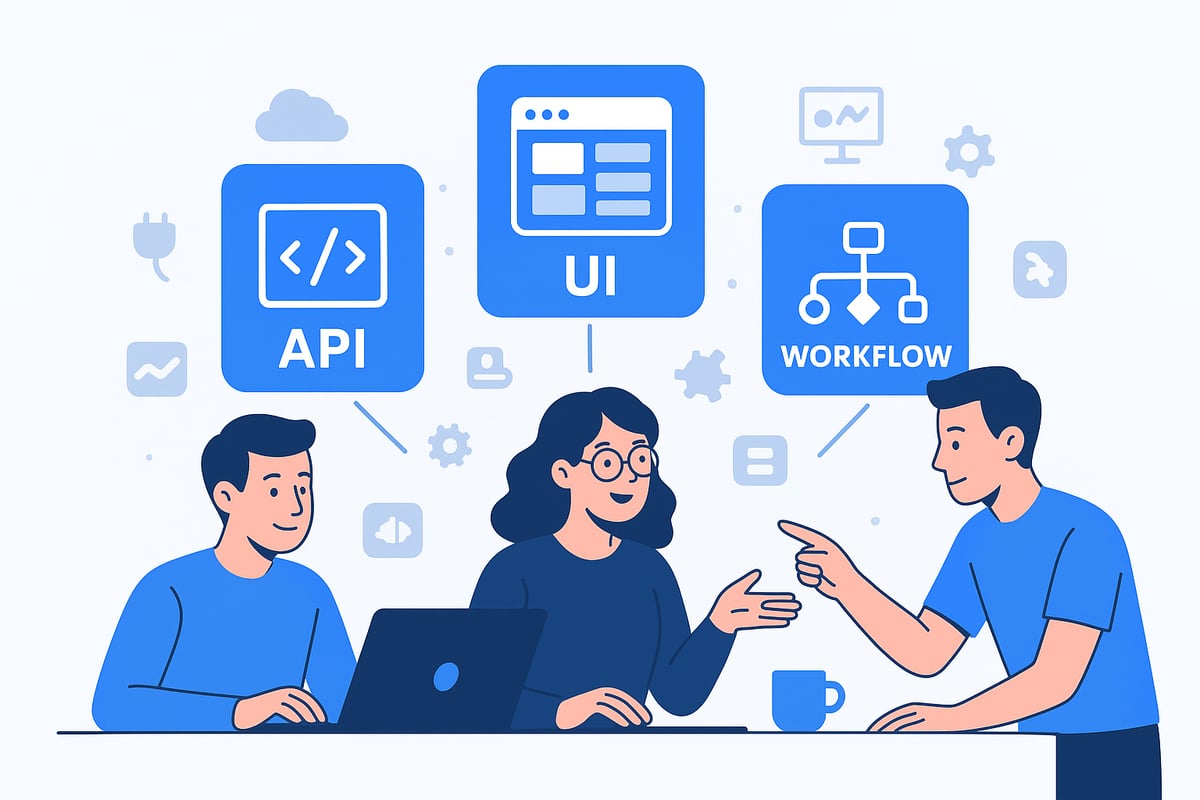
Bubble plugins are modular add-ons that enhance the core functionality of Bubble apps. They allow builders to integrate new features, connect to external services, and create custom workflows without traditional coding.
There are several types of plugins:
- Visual elements (e.g., charts, maps, sliders)
- API connectors (linking to services like Stripe or Zapier)
- Workflow actions (automating app logic)
- Data sources (pulling in external data)
Popular examples include Stripe for payments, Algolia for search, and Zapier for automation. These plugins extend Bubble’s capabilities far beyond its native features. For businesses needing tailored solutions, Custom Bubble app development services can deliver unique plugins designed for specific requirements.
Why Custom Plugins Matter in 2026
In 2026, the demand for custom functionality has soared. Off-the-shelf plugins can’t always address complex or niche needs. According to a recent Bubble Community survey, 65% of Bubble apps in 2025 used at least one custom plugin.
Custom plugins give businesses a competitive edge by offering proprietary features and deeper integrations. With bubble plugin development services, you can overcome platform limitations and create experiences that set your app apart. This approach ensures your app scales with your vision and adapts to evolving industry trends.
Key Use Cases for Bubble Plugin Development
Bubble plugin development services shine when you need to connect with third-party APIs, build advanced UI components, or automate complex workflows. Some key use cases include:
- Integrating with payment gateways, CRMs, or messaging platforms
- Creating custom data visualizations for analytics
- Automating multi-step business processes
- Developing industry-specific features for fintech, healthcare, or logistics apps
Custom plugins unlock new possibilities that generic solutions can’t match. They help businesses streamline operations and deliver tailored value to users.
Benefits and Challenges of Plugin Development
Choosing bubble plugin development services delivers several advantages:
| Benefits | Challenges |
|---|---|
| Scalability | Technical complexity |
| Performance gains | Ongoing maintenance |
| Enhanced UX | Compatibility management |
| Monetization options | Security and compliance |
Custom plugins boost scalability, improve performance, and elevate user experience. However, they also bring challenges like technical complexity and the need for regular updates. Security and compliance are critical, especially when handling sensitive data or regulated workflows. By planning carefully and partnering with experts, you can maximize benefits while minimizing risks.
The Bubble Plugin Development Process: Step-by-Step
Building a successful Bubble app means more than dragging and dropping elements. To unlock advanced features and integrations, you need a solid grasp of the bubble plugin development services process. Let’s break down each step so you can confidently bring your plugin vision to life.

Step 1: Scoping and Requirements Gathering
Every great plugin starts with a clear scope. In bubble plugin development services, this means talking with stakeholders to pinpoint business needs and define plugin objectives. Are you building a payment integration, automating a workflow, or enhancing user experience?
List your must-have features, technical specs, and desired results. For example, scoping a payment gateway plugin for SaaS could include PCI compliance, recurring billing, and seamless UI. This step sets the foundation for everything that follows in bubble plugin development services.
- Identify business goals and pain points
- Gather user requirements
- Define technical constraints and success metrics
A thorough scope ensures your plugin solves the real problem.
Step 2: Design and Prototyping
Once you’ve nailed down requirements, move to design. In bubble plugin development services, this step covers visualizing the plugin’s UI, mapping data flows, and planning API interactions. Use tools like Figma to wireframe interfaces, then validate them in Bubble’s plugin editor.
Sketch out how users will interact with your plugin. Map out API endpoints and data transformations. Early prototyping can uncover usability issues before coding begins. This design-first approach in bubble plugin development services helps avoid costly rework later.
- Create wireframes and user flows
- Plan API calls and data models
- Validate ideas with quick prototypes
Getting feedback now saves headaches down the road.
Step 3: Development and Coding
With designs in hand, it’s time to build. Bubble plugin development services rely on JavaScript, Bubble’s plugin framework, and robust documentation. Developers write code for visual elements, workflow actions, and API connectors, following best practices.
Use clear code structure and comments for maintainability. Reference the Bubble Plugin Development Best Practices guide for up-to-date standards on actions, elements, and data handling. This ensures your plugin is reliable and easy to update, a must for bubble plugin development services.
- Develop components in JavaScript
- Integrate APIs and data sources
- Document every function and setting
Clean code and strong documentation are key to success.
Step 4: Testing and Quality Assurance
Before launch, thorough testing is vital. Bubble plugin development services include functional, performance, and security testing. Run automated tests for core workflows, then conduct manual user acceptance testing to collect feedback.
Check for bugs, speed issues, and security vulnerabilities. Test across different browsers and devices to ensure compatibility. Use Bubble’s built-in testing tools and external QA platforms to cover every angle in bubble plugin development services.
- Run unit and integration tests
- Collect user feedback for improvements
- Validate security and compliance
Testing now means fewer headaches after release.
Step 5: Deployment and Integration
Once tested, it’s time to deploy. Bubble plugin development services handle publishing your plugin to the Bubble marketplace or for private use. Version control is crucial, so track changes and updates carefully.
Integrate your plugin with existing Bubble apps, ensuring seamless operation. Monitor initial usage to catch any unforeseen issues. Proper deployment and integration in bubble plugin development services ensure a smooth go-live experience.
- Publish to marketplace or set private access
- Manage versions and updates
- Integrate with target Bubble apps
A smooth release sets you up for success.
Step 6: Ongoing Maintenance and Support
Your job isn’t done after launch. Bubble plugin development services include ongoing maintenance, bug fixes, and feature updates. Monitor plugin performance and track analytics to spot improvement opportunities.
Stay on top of Bubble platform updates to maintain compatibility. Respond quickly to user feedback and security concerns. A proactive approach in bubble plugin development services keeps your plugin valuable and reliable.
- Schedule regular maintenance cycles
- Track performance and usage data
- Update for new Bubble features
Ongoing support builds trust and long-term value.
Choosing the Right Bubble Plugin Development Service Provider
Selecting the best partner for your bubble plugin development services can make or break your app’s success. With demand higher than ever, the right choice ensures your project is scalable, secure, and future-ready. Let’s break down what to look for and how to avoid common pitfalls.
Core Qualities to Look For
When evaluating bubble plugin development services, prioritize teams with deep Bubble and JavaScript expertise. A proven track record, shown through successful plugin launches, is essential. Always ask for client testimonials and detailed case studies.
Check if the provider understands your industry and can deliver custom solutions. Agencies with a collaborative approach often outperform solo freelancers. For startups, consider specialized Bubble agencies for startups that offer tailored support and rapid prototyping.
Evaluating Technical Capabilities
Top bubble plugin development services bring advanced technical skills to the table. Look for teams experienced in Bubble’s plugin editor, API integrations, and handling REST or GraphQL endpoints. They should demonstrate secure coding practices and a clear understanding of scaling requirements.
Security and compliance are non-negotiable. Providers must stay updated on the latest Bubble platform changes to ensure compatibility. Always review their past work for evidence of robust, scalable plugin solutions.
Pricing Models and Engagement Options
Bubble plugin development services typically offer flexible pricing models to fit various project needs. Common options include fixed-price contracts for well-defined scopes, hourly rates for ongoing work, and retainer agreements for long-term support.
| Model | Best For | Typical Range (2026) |
|---|---|---|
| Fixed-Price | Defined projects | $2,000–$7,000 |
| Hourly | Ongoing work | $60–$150/hr |
| Retainer | Large/complex | $5,000–$10,000+/month |
Decide whether you need a marketplace plugin or a private, custom-built solution. Always clarify what’s included, such as maintenance or feature updates.
Communication and Project Management
Effective communication is key when working with bubble plugin development services. Look for providers who use agile project management, keep you updated regularly, and involve you in feedback cycles.
Clear documentation makes handover seamless and ensures your team can maintain the plugin later. Choose teams that use collaboration tools for transparency and easy tracking. This approach minimizes misunderstandings and accelerates delivery.
Red Flags and Common Pitfalls
Watch out for bubble plugin development services with limited Bubble-specific experience. Poor code quality or lack of documentation can create technical debt and long-term headaches.
Avoid teams that offer little post-launch support or fail to explain their development process. If a provider can’t show relevant case studies, that’s a warning sign. Always verify their ability to deliver secure, well-maintained plugins tailored to your needs.
Big House Technologies: Bubble Plugin Expertise
Big House Technologies stands out in the bubble plugin development services landscape. Their no-code and AI-driven approach covers every step, from scoping and design to development and QA.
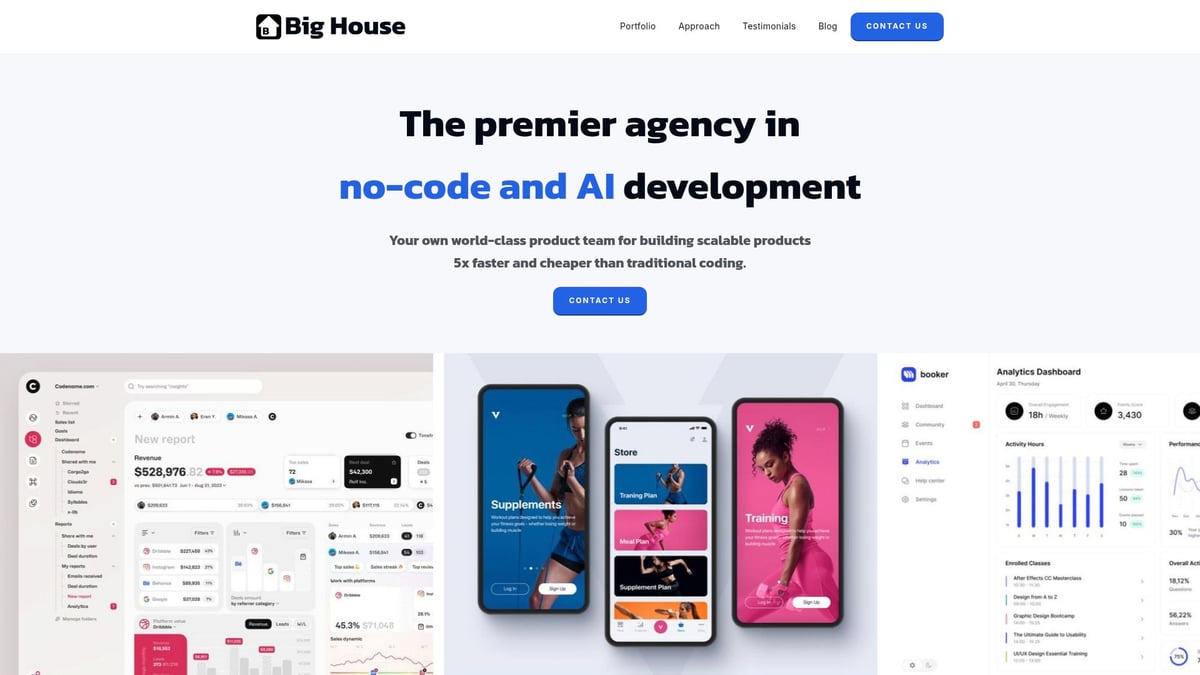
Clients benefit from 5x faster delivery and 3–4x cost savings compared to traditional development. Real-world results include robust enterprise plugins and glowing testimonials. Flexible pricing and engagement models make them a top choice for both startups and established enterprises.
Trends and Innovations in Bubble Plugin Development for 2026
Staying ahead in bubble plugin development services means understanding the latest trends shaping the no-code landscape in 2026. The ecosystem is evolving rapidly, with innovation driving new levels of customization, security, and user experience.

AI-Powered Plugins and Automation
AI is now at the core of bubble plugin development services. Developers are integrating machine learning, natural language processing, and automation to create smarter, more adaptive plugins.
Picture chatbots that answer user questions, or plugins that recommend products based on past behavior. These AI-driven features boost engagement, streamline operations, and personalize experiences at scale.
For developers seeking to leverage these capabilities, check out AI tools for Bubble developers to discover resources that accelerate plugin innovation. Expect AI integrations to remain a top priority in bubble plugin development services throughout 2026.
Enhanced Security and Compliance Features
Security is a non-negotiable aspect of bubble plugin development services. With regulations like GDPR and HIPAA growing stricter, plugins must now include secure authentication, robust data encryption, and comprehensive audit trails.
Many plugins are being designed with industry-specific compliance in mind, making it easier for businesses in healthcare and finance to adopt no-code solutions. An estimated 40% increase in security-focused plugins since 2024 highlights this trend.
For those building or selecting plugins, always prioritize security features and compliance certifications within bubble plugin development services.
Marketplace Growth and Monetization Opportunities
The Bubble plugin marketplace is expanding, offering developers new ways to monetize their expertise through bubble plugin development services. Revenue models now range from one-time purchases to subscriptions and freemium offerings.
Success stories are emerging, with top plugin creators generating significant income and gaining recognition in the community. For a deeper dive into recent marketplace trends and statistics, refer to the 2025 Plugin Year in Review.
This growth is fueling more competition and innovation, making bubble plugin development services even more valuable for businesses.
Cross-Platform and Multi-Device Compatibility
Modern users expect seamless experiences across devices, and bubble plugin development services are rising to the challenge. Plugins now support responsive design, mobile optimization, and features for PWAs and native apps.
Some plugins enable device-specific functionality, such as camera access or GPS integration, expanding what’s possible within Bubble apps. This trend ensures that plugins remain versatile and future-proof.
By choosing bubble plugin development services focused on cross-platform support, businesses can reach more users and deliver consistent experiences everywhere.
Developer Tools and Ecosystem Enhancements
The toolkit for bubble plugin development services is richer than ever. Improved SDKs, robust debugging tools, and better documentation are streamlining the entire development lifecycle.
Community forums, code libraries, and open-source resources empower both new and experienced developers to build higher-quality plugins, faster. These enhancements reduce barriers to entry and foster a culture of collaboration.
As a result, the speed and quality of bubble plugin development services continue to climb, benefiting app builders and end-users alike.
Future Outlook: What’s Next?
Looking ahead, bubble plugin development services are set to embrace even more disruptive technologies. AI will keep advancing, while blockchain and IoT integrations are on the horizon.
Bubble’s plugin architecture is expected to evolve, offering even more flexibility and scalability. Staying agile and informed will be key for anyone leveraging bubble plugin development services to solve tomorrow’s business challenges.
Businesses and developers alike should keep an eye on these trends to maximize the value of their no-code investments.
Best Practices for Successful Bubble Plugin Projects
Building a powerful and reliable plugin requires more than just coding. To get the most from bubble plugin development services, you need a well-structured approach that covers every stage of your project. Let’s break down the best practices that will set your plugin up for success in 2026.
Defining Clear Requirements and KPIs
Start every plugin project by setting crystal-clear requirements. Outline the business goals, target users, and specific features you need from bubble plugin development services. Define measurable KPIs, such as load times, integration success rates, or user adoption metrics.
For example, if your goal is to boost app retention by 20 percent, make this a primary KPI and align all plugin features to support it. Use wireframes and user stories to communicate expectations to your development team. This clarity ensures everyone is working toward the same milestones.
Prioritizing User Experience and Accessibility
User experience is at the heart of any successful plugin. When working with bubble plugin development services, prioritize intuitive interfaces and seamless workflows. Ensure your plugin is easy to use, with clear navigation and helpful feedback at every step.
Accessibility matters too. Follow WCAG guidelines to make your plugin usable for everyone, including users with disabilities. Regularly test your UI with real users to gather feedback and identify pain points. This approach will help you deliver a plugin that delights all users.
Ensuring Security and Data Privacy
Security and privacy are non-negotiable. Bubble plugin development services should always follow secure coding practices, such as input validation and regular vulnerability scans. Protect sensitive information by managing API keys, tokens, and user data securely.
Stay up to date with global data protection laws like GDPR and HIPAA, especially if your plugin handles personal or financial information. Work with your provider to implement encryption and audit trails. This builds trust and keeps your app compliant.
Documentation and Knowledge Transfer
Comprehensive documentation is essential for long-term success. Ask your bubble plugin development services provider to create detailed user guides, API references, and developer notes. This makes onboarding new team members easier and ensures smooth handovers.
Consider building a wiki or knowledge base for enterprise projects. Documentation should cover installation, configuration, troubleshooting, and update procedures. The easier it is to find answers, the faster your team can resolve issues and innovate.
Ongoing Maintenance and Support Planning
A plugin’s lifecycle does not end at launch. Plan for ongoing maintenance, updates, and support as part of your bubble plugin development services agreement. Schedule regular check-ins to monitor performance, address bugs, and release new features.
Using proven strategies from resources like Scaling with Bubble.io: Best Practices can help you future-proof your plugin for evolving business needs. Establish clear service-level agreements so your team knows what to expect post-launch.
Leveraging Community and Marketplace Resources
Tap into the vibrant Bubble community for inspiration and support. Engage with forums, attend webinars, and share your experiences to stay ahead of the curve in bubble plugin development services. Many developers use open-source libraries and templates to accelerate their projects.
When hiring talent, consider insights from the Best countries to hire Bubble developers to find top experts. Staying active in the marketplace ensures you always have access to the latest tools, trends, and best practices.
Now that you know how powerful custom Bubble plugins can be for scaling your app and unlocking new features, you might be wondering what’s really possible for your business. If you’re curious to see how others have taken their ideas from concept to reality using expert no code development, why not check out some real world examples? We’ve helped founders and teams just like you build everything from advanced integrations to enterprise ready platforms. Take a look for yourself and get inspired by what’s possible next—See What We’ve Built for Founders Like You.

About Big House
Big House is committed to 1) developing robust internal tools for enterprises, and 2) crafting minimum viable products (MVPs) that help startups and entrepreneurs bring their visions to life.
If you'd like to explore how we can build technology for you, get in touch. We'd be excited to discuss what you have in mind.
Other Articles
Master the app runwayml in 2025 with this step by step expert guide covering features setup creative workflows pricing tips and troubleshooting for creators.
Unlock 2026 success with our enterprise automation consulting guide covering trends, best practices, case studies, and actionable strategies for measurable ROI.
Learn how replit com python helps developers build, test, and deploy Python applications quickly with cloud-based tools, AI assistance, and collaboration.