
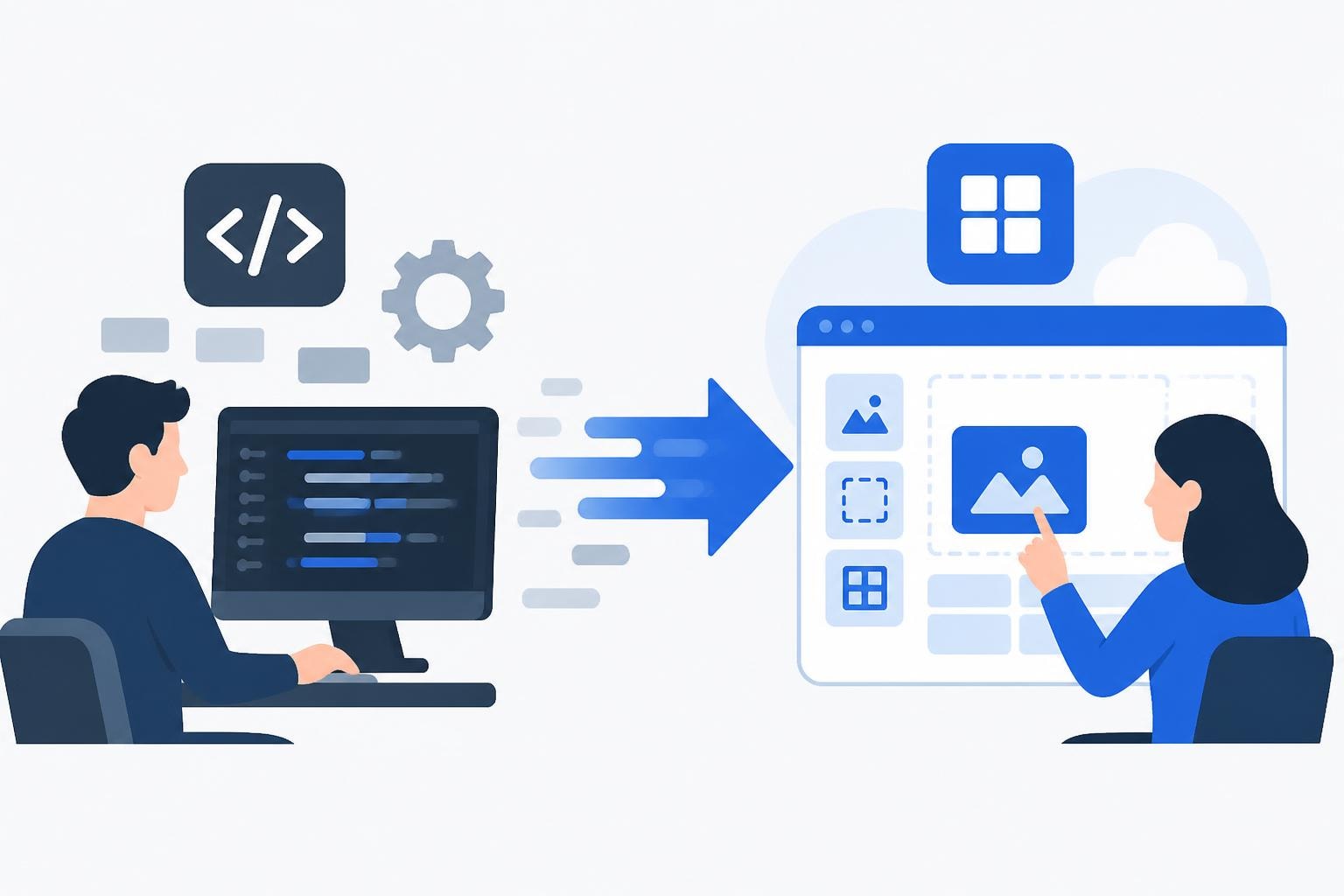
Application developer work has transformed dramatically over the past decade, evolving from purely code-based development to encompass a broad spectrum of methodologies including low-code and no-code platforms. In 2026, developers face an exciting landscape where technical expertise merges with strategic thinking, user experience design, and rapid deployment capabilities. Understanding the full scope of application developer work helps both aspiring professionals chart their career paths and organizations make informed hiring decisions.
Core Responsibilities of Application Development
The foundation of application developer roles and responsibilities remains centered on creating software solutions that solve real business problems. Application developers design, build, test, and maintain applications across mobile, web, and desktop platforms. This multifaceted role requires developers to collaborate with stakeholders, translate business requirements into technical specifications, and deliver functional products that meet user needs.
Daily Tasks and Project Workflows
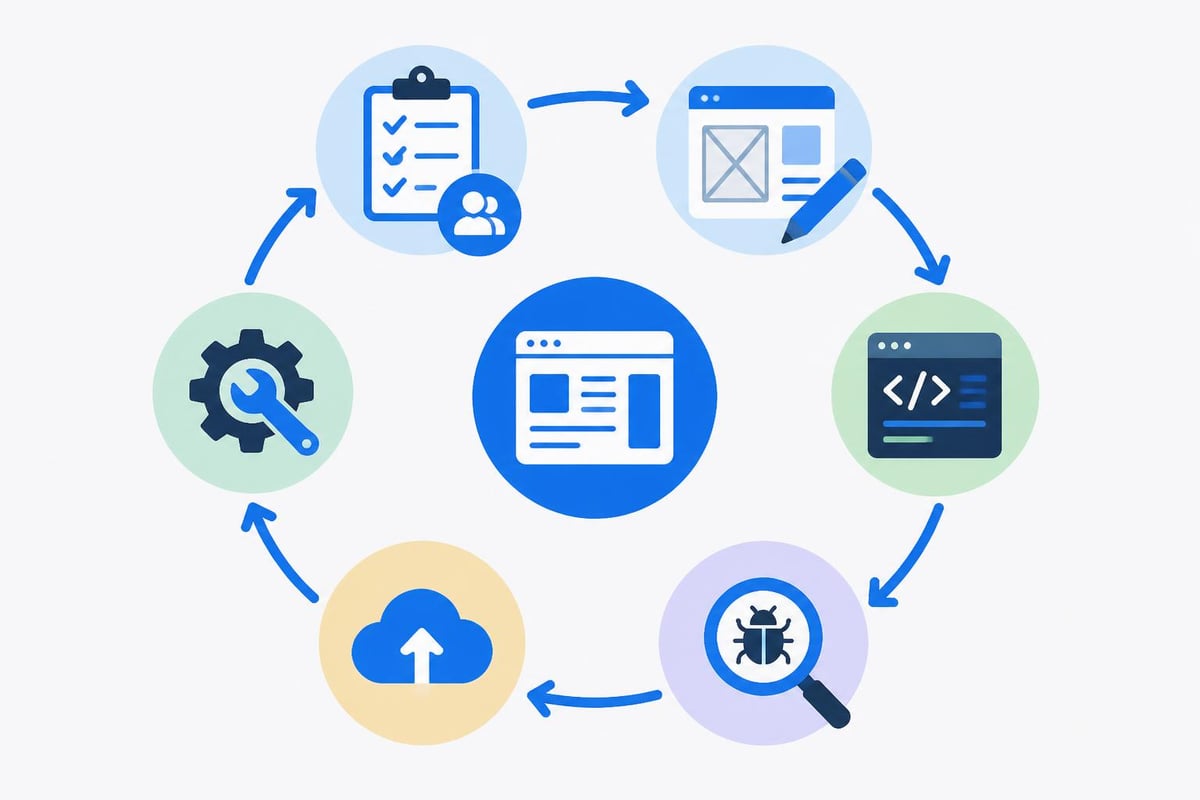
Application developer work encompasses far more than writing code. Developers spend significant time in planning sessions, architectural discussions, and code reviews. They participate in stand-up meetings, sprint planning, and retrospectives as part of agile development cycles.
Key daily activities include:
- Analyzing user requirements and translating them into technical solutions
- Writing, testing, and debugging application code
- Collaborating with UX designers to implement intuitive interfaces
- Integrating APIs and third-party services
- Documenting code and maintaining technical specifications
- Conducting peer code reviews and quality assurance testing
Modern application developer work also involves continuous learning. Developers dedicate time to staying current with emerging technologies, security best practices, and industry trends. This learning occurs through online courses, documentation reviews, and hands-on experimentation with new tools.
Essential Skills for Application Developers
Technical proficiency forms the backbone of successful application developer work, but soft skills increasingly differentiate exceptional developers from average ones. Application developers need diverse competencies spanning multiple domains to thrive in today's development environment.
Technical Competencies
| Skill Category | Traditional Approach | No-Code Approach |
|---|---|---|
| Programming Languages | JavaScript, Python, Java, C# | Visual programming logic |
| Database Management | SQL, NoSQL query writing | Visual database builders |
| API Integration | Manual endpoint configuration | Pre-built connectors |
| Testing | Unit tests, integration tests | Automated visual testing |
| Version Control | Git command line | Built-in versioning |
Understanding the best database options for no-code platforms helps developers make informed architectural decisions regardless of their development methodology. Database design principles remain constant whether you're writing SQL queries manually or using visual database builders.
Problem-Solving and Communication
Application developer work demands exceptional analytical thinking. Developers must deconstruct complex problems into manageable components, identify edge cases, and architect elegant solutions. This problem-solving extends beyond technical challenges to include business logic, user experience considerations, and performance optimization.
Communication skills prove equally critical. Developers regularly explain technical concepts to non-technical stakeholders, defend architectural decisions, and collaborate across cross-functional teams. Clear documentation ensures knowledge transfer and maintainability long after initial development completes.
The Shift Toward No-Code and AI-Powered Development
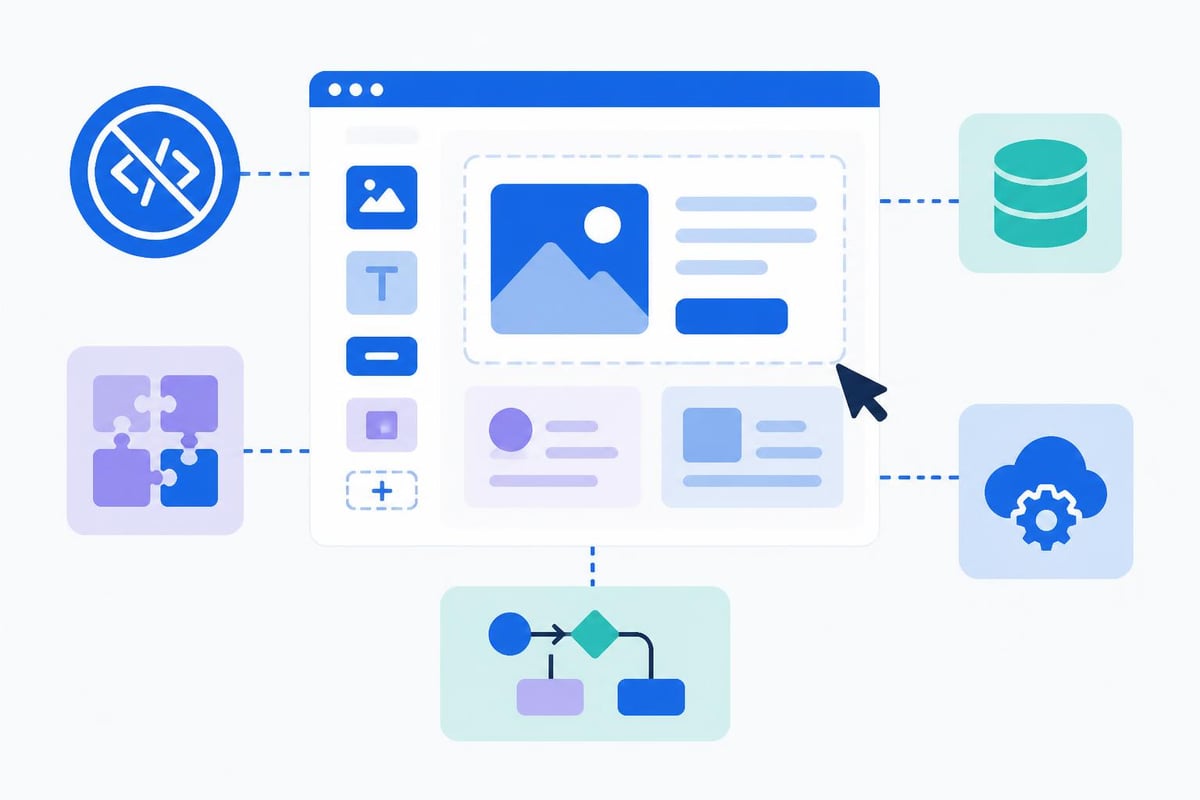
The landscape of application developer work has expanded significantly with the rise of no-code platforms and AI-assisted development tools. These technologies democratize software creation while simultaneously elevating the developer's role from code writer to solution architect.
Advantages of No-Code Development
No-code platforms like Bubble and Lovable have revolutionized how quickly teams can move from concept to deployment. Traditional development cycles that once took months now compress into weeks. This acceleration doesn't eliminate the need for developer expertise but rather redirects it toward higher-value activities like system architecture, integration planning, and optimization.
The cost comparison between no-code and custom code reveals substantial savings in both time and budget. Startups and enterprises alike recognize that no-code approaches allow for rapid prototyping and iteration without sacrificing scalability or functionality.
Benefits of modern no-code application developer work include:
- Reduced development time by 60-80% compared to traditional coding
- Lower barrier to entry for non-technical founders and product managers
- Built-in best practices for security, performance, and scalability
- Visual development environment that enhances collaboration
- Faster iteration cycles based on user feedback
AI Integration in Development Workflows
AI-powered development tools are reshaping application developer work by automating routine tasks and suggesting optimizations. AI-based design to code tools can convert design files into functional interfaces, while AI assistants help debug code and suggest improvements.
Career Paths and Specialization Areas
Application developer work offers numerous specialization opportunities as professionals advance their careers. Understanding these paths helps developers make strategic decisions about skill development and career progression.
Specialization Options
- Mobile Application Development - Focus on iOS, Android, or cross-platform solutions
- Web Application Development - Build browser-based applications and progressive web apps
- Enterprise Application Development - Create large-scale systems for business operations
- Database Development - Specialize in data architecture and optimization
- No-Code/Low-Code Development - Master visual development platforms and rapid deployment
The detailed job descriptions for application developers highlight how different organizations prioritize various skill combinations. Some companies seek generalists who can work across the full stack, while others prefer specialists with deep expertise in specific technologies or domains.
Advancement Opportunities
Junior developers typically start with well-defined tasks under senior supervision. As they gain experience, application developer work evolves to include:
- Mid-level developers take ownership of features and mentor juniors
- Senior developers architect systems and make key technical decisions
- Lead developers manage teams and coordinate across projects
- Technical architects define organizational standards and tooling strategies
- Engineering managers focus on team development and business alignment
Many developers also transition into internal tool development, creating applications that streamline business operations rather than customer-facing products.
Building Applications in Different Environments
The context in which application developer work occurs significantly impacts methodologies, tools, and outcomes. Developers working at startups face different constraints and opportunities than those at established enterprises.
Startup Development Environment
Startups prioritize speed and iteration. Application developer work in these settings emphasizes getting a minimum viable product to market quickly, gathering user feedback, and pivoting based on learnings. Resources are typically constrained, making no-code solutions particularly attractive.
Development teams at startups often wear multiple hats. A single developer might handle frontend, backend, database design, and DevOps responsibilities. This breadth of experience accelerates learning but can also lead to technical debt if not carefully managed.
Enterprise Development Considerations
Enterprise application developer work involves different challenges. Projects tend to be larger in scope with more stakeholders and compliance requirements. Integration with legacy systems, data security, and scalability for thousands or millions of users become primary concerns.
Why enterprises are turning to no-code for internal tool development reveals how even large organizations recognize the value of rapid development methodologies. Internal tools for HR, operations, and customer service don't always require custom code when no-code platforms can deliver equivalent functionality faster.
| Factor | Startup Approach | Enterprise Approach |
|---|---|---|
| Development Speed | Critical priority | Balanced with quality |
| Documentation | Minimal, evolving | Comprehensive, formal |
| Testing Coverage | MVP-focused | Extensive, automated |
| Compliance Requirements | Basic | Rigorous, audited |
| Team Structure | Fluid, multi-role | Specialized, hierarchical |
Tools and Technologies Shaping Modern Development
Application developer work in 2026 relies on an ecosystem of tools that streamline collaboration, testing, deployment, and monitoring. Understanding this toolchain proves essential for productivity and quality outcomes.
Development Platforms and Frameworks
Traditional developers work with frameworks like React, Angular, Vue.js for frontend development and Node.js, Django, or .NET for backend systems. These frameworks provide structure and pre-built components that accelerate development while maintaining code quality.
No-code platforms like Bubble offer a different approach. Application development platforms provide visual interfaces for building complete applications without writing traditional code. Developers using these platforms focus on logic, workflows, and integrations rather than syntax and compilation.
Collaboration and Project Management
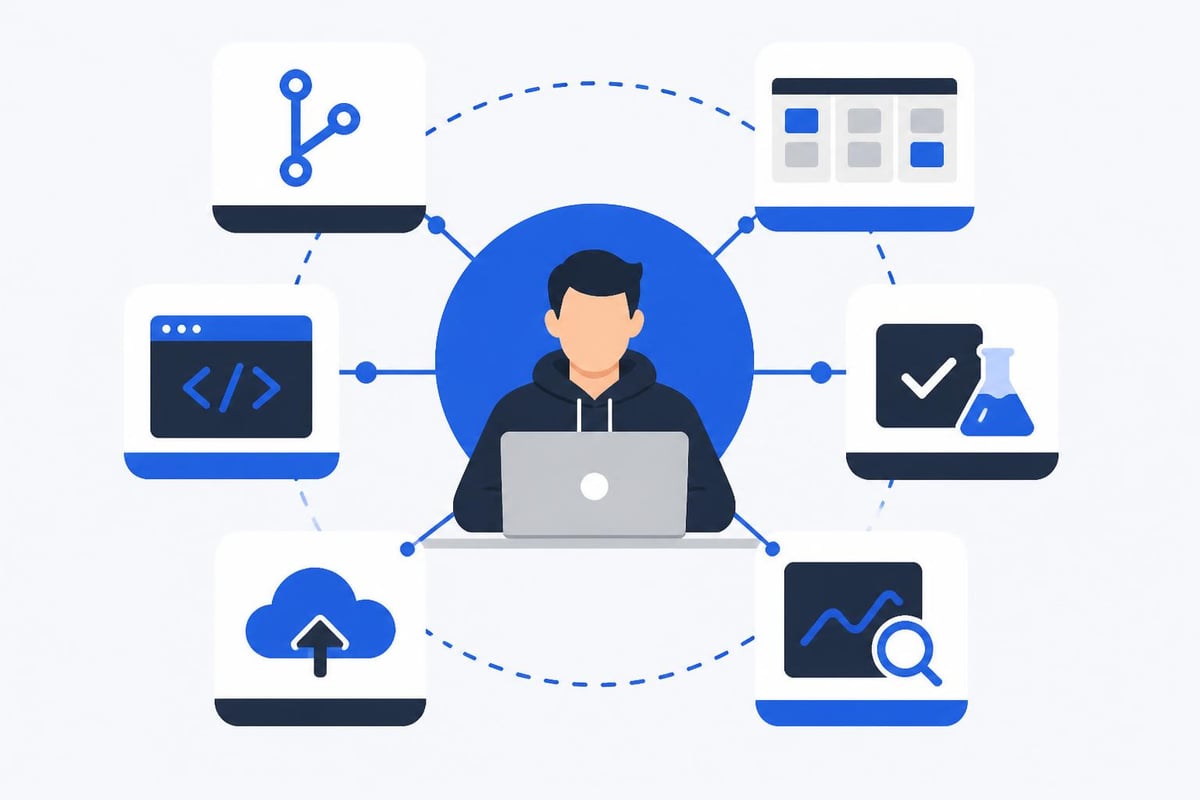
Modern application developer work happens in distributed teams using tools like GitHub for version control, Jira for project tracking, and Slack for communication. Cloud-based development environments enable developers to collaborate in real-time regardless of location.
Continuous integration and continuous deployment (CI/CD) pipelines automate testing and deployment. Developers commit code that automatically runs through test suites, gets reviewed, and deploys to staging or production environments. This automation reduces manual errors and accelerates release cycles.
Quality Assurance and Testing in Application Development
Application developer work doesn't end when code is written. Testing and quality assurance form critical components of delivering reliable software. Developers employ various testing strategies to catch bugs before they reach users.
Testing Methodologies
Testing approaches include:
- Unit testing - Verifying individual functions and components work correctly
- Integration testing - Ensuring different system parts work together properly
- User acceptance testing - Confirming the application meets business requirements
- Performance testing - Validating speed and scalability under various loads
- Security testing - Identifying vulnerabilities and ensuring data protection
No-code platforms often include built-in testing capabilities that automatically validate workflows and catch common errors. This automation doesn't eliminate the need for thorough testing but makes it more accessible to developers without extensive QA experience.
Debugging and Troubleshooting
When issues arise, application developer work shifts to diagnostic mode. Developers use debugging tools, log analysis, and systematic problem isolation to identify root causes. Experience teaches developers to recognize common patterns and efficiently narrow down potential issues.
Modern debugging tools provide capabilities like breakpoints, variable inspection, and step-through execution. No-code platforms offer visual debugging that shows how data flows through workflows, making it easier to spot logic errors.
Compensation and Job Market Outlook
The comprehensive career guide for application developers shows that compensation varies widely based on experience, location, and specialization. Understanding market dynamics helps developers negotiate effectively and plan career trajectories.
Salary Expectations in 2026
Entry-level application developer work typically commands salaries ranging from $65,000 to $85,000 annually in the United States. Mid-level developers with 3-5 years of experience earn between $90,000 and $120,000. Senior developers and specialists often exceed $140,000, with total compensation packages at major tech companies reaching $200,000 or more.
No-code specialists represent an emerging category. As organizations increasingly adopt these platforms, demand grows for developers who can architect complex applications using tools like Bubble. These specialists often command premium rates due to their ability to deliver results quickly.
Market Demand and Future Trends
The job market for application developers remains strong in 2026. Digital transformation initiatives across industries drive continued demand for professionals who can build software solutions. The application development landscape continues expanding as businesses recognize software as a competitive differentiator.
Remote work has permanently changed application developer work. Developers can now access opportunities globally, while companies can tap talent pools beyond their geographic location. This shift increases competition but also creates opportunities for developers in lower-cost regions to command higher salaries.
Education and Skill Development Pathways
Becoming proficient in application developer work requires deliberate learning and practice. Multiple pathways exist for acquiring necessary skills, from formal education to self-directed learning.
Formal Education Options
Traditional computer science degrees provide comprehensive foundations in algorithms, data structures, and software engineering principles. These four-year programs offer deep theoretical knowledge and structured learning environments. However, they represent significant time and financial investments.
Coding bootcamps emerged as accelerated alternatives, compressing essential skills into 12-16 week intensive programs. These bootcamps focus on practical, job-ready skills in specific technologies. Graduates often transition into application developer work within months of completion.
Self-Directed Learning
Many successful developers are largely self-taught, using online resources, documentation, and practice projects to build expertise. Platforms like Coursera, Udemy, and freeCodeCamp offer structured learning paths for various technologies and specializations.
Effective self-learning strategies include:
- Start with fundamentals before diving into frameworks
- Build real projects that solve actual problems
- Contribute to open-source projects for experience and networking
- Join developer communities for support and knowledge sharing
- Focus on one technology stack initially before expanding
The rise of no-code development has created alternative entry points into application developer work. Individuals without traditional programming backgrounds can build sophisticated applications and develop valuable technical skills through visual platforms.
Working with Development Agencies and Teams
Many organizations choose to partner with specialized development agencies rather than building in-house teams. This decision impacts how application developer work gets structured and delivered.
Agency Development Models
Development agencies offer various engagement models. Some provide dedicated teams that function as extensions of the client's organization. Others work on fixed-scope projects with defined deliverables and timelines. Agencies building Bubble MVPs demonstrate how specialized expertise can accelerate time-to-market for startups.
Agencies bring advantages including diverse experience across industries, established development processes, and flexibility to scale resources up or down. They've often solved similar problems for other clients, bringing that knowledge to new projects.
Collaboration Best Practices
Successful agency partnerships require clear communication and aligned expectations. Application developer work becomes more effective when:
- Requirements are documented comprehensively upfront
- Regular check-ins maintain alignment and catch issues early
- Stakeholders provide timely feedback on deliverables
- Both parties commit to transparent communication about challenges
- Success metrics are defined and tracked throughout development
Understanding application technologies helps clients make informed decisions about platform selection and architectural approaches. Agencies should educate clients on trade-offs between different technical options rather than simply implementing what's requested.
Application developer work in 2026 encompasses a rich variety of approaches, from traditional coding to cutting-edge no-code platforms, each offering unique advantages for different project requirements. Whether you're building your first MVP or scaling an enterprise application, partnering with experienced developers who understand modern methodologies can dramatically impact your success. Big House Technologies specializes in leveraging no-code and AI platforms to deliver scalable software solutions faster and more cost-effectively than traditional development approaches, helping startups and enterprises transform their ideas into fully functional products.

About Big House
Big House is committed to 1) developing robust internal tools for enterprises, and 2) crafting minimum viable products (MVPs) that help startups and entrepreneurs bring their visions to life.
If you'd like to explore how we can build technology for you, get in touch. We'd be excited to discuss what you have in mind.
Other Articles
Discover how no-code AI app development platforms enable businesses to build intelligent applications without coding expertise in 2026.
Discover the top 7 enterprise integration platforms no code for 2026 Compare features pricing and benefits to streamline automation and boost business agility
Discover the fastest way to build an MVP in 2026 using no-code platforms, AI tools, and proven frameworks to validate your idea quickly.